



Versatile Sodium Benzoate for Food and Industrial Formulation
Product Attributes
| Attribute | Selection Reference |
| Product | Sodium Benzoate |
| Grade coverage | Food grade / industry grade |
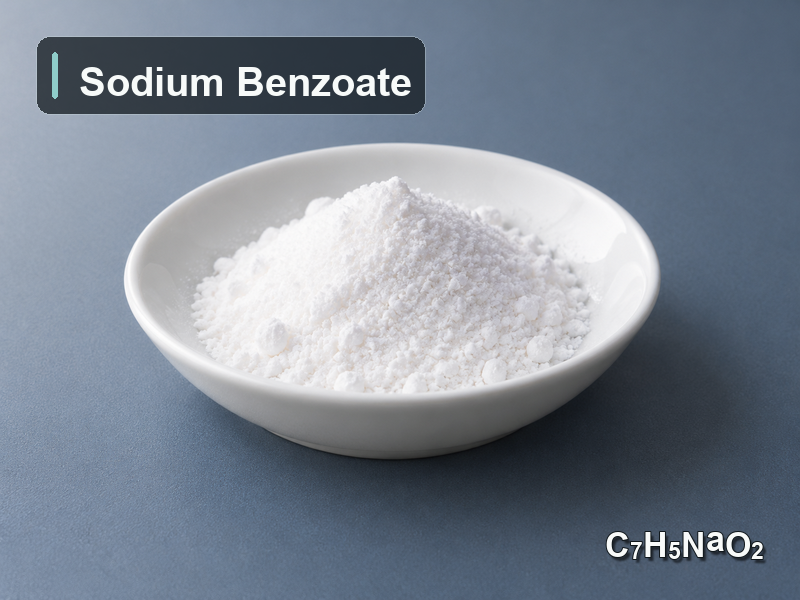
| Chemical identity | C7H5NaO2 |
| Typical appearance | white granules or crystalline powder |
| Main specification points | Assay; loss on drying; acidity/alkalinity; chloride; heavy metals; solution clarity |
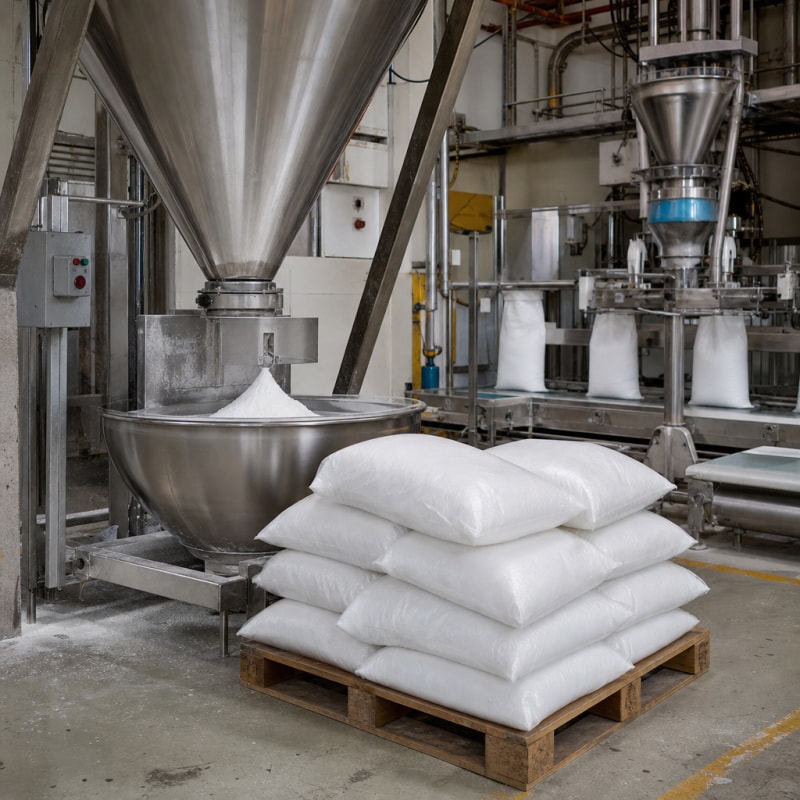
| Packing options | 25 kg food-compatible paper-plastic bags or industrial lined bags; palletized options available |
Specification note: Values are intentionally not generalized across grades. The signed technical agreement controls the supplied lot.
Product Description
Designed for commercial production, this Sodium Benzoate program covers Food grade / industry grade requirements and is available as white granules or crystalline powder. Procurement teams can align chemistry, physical form, packing, and documentation before shipment. That up-front alignment helps operations avoid substitutions that look equivalent on paper but behave differently during conveying, dissolving, reacting, or final-product testing.
Material Profile and Production
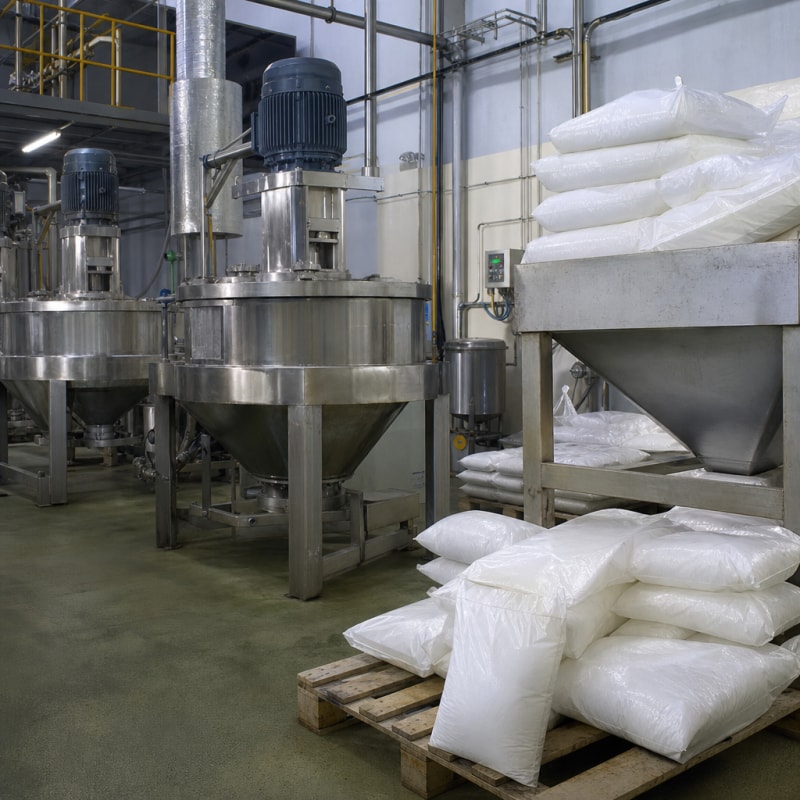
The manufacturing route combines neutralization of benzoic acid followed by clarification, crystallization, separation, drying, and screening. Operators monitor the transformation and the final conditioning steps rather than relying only on an end-point test. This approach supports a uniform shipment and allows special requests for concentration, particle profile, color, or cleanliness to be screened for technical feasibility before scheduling.
Key Applications and Process Value
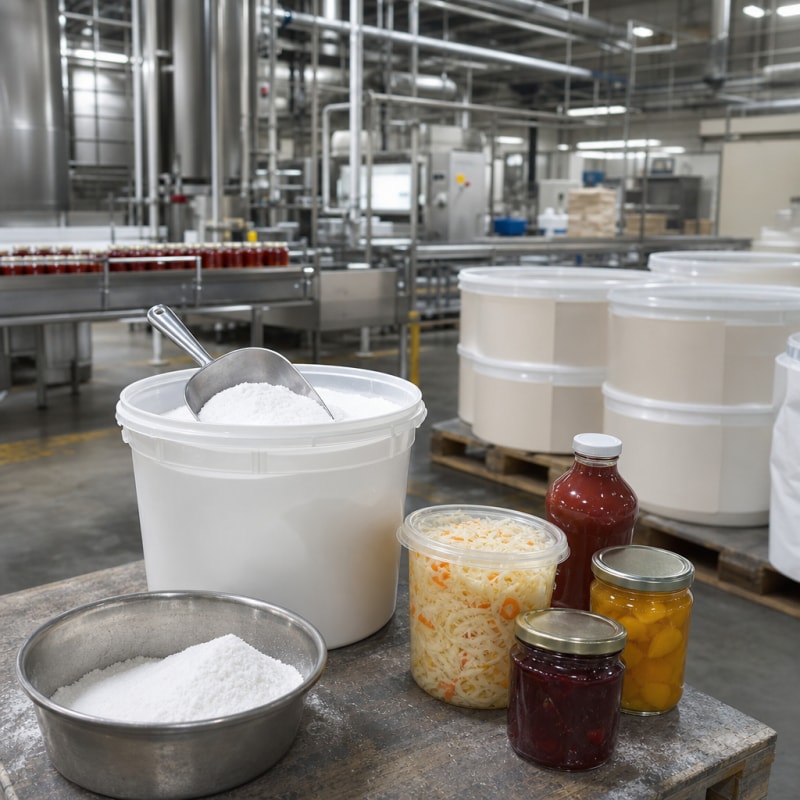
Commercial uses span acidic beverages, sauces, fruit preparations and other permitted foods, as well as adhesives, coatings, personal-care intermediates, and technical formulations. Selection should connect a measurable product attribute with a process outcome—for example flow, reaction speed, color, purity, separation, or finished strength. Our supply team can exchange specification and logistics information, but formulation approval and safe operating limits remain with the user’s qualified technical staff.
The best grade is the one that meets the process outcome at a sustainable total cost. Trial plans should therefore capture dosage, labor, rejects, filtration or cleaning load, energy demand, and final quality—not merely the purchase price per tonne.
Quality Assurance and Buyer Qualification
For each batch, quality personnel review grade identity, assay, moisture, solution appearance, acidity or alkalinity, chloride, and grade-relevant trace substances. Trend information can be considered during recurring supply, and retained material may support a later investigation. Any third-party laboratory, pre-shipment inspection, or special reporting precision must be requested early enough to fit the delivery plan.
Safe Handling and Storage
Store sealed in a cool, dry, ventilated warehouse. Food use must follow the applicable additive standard, permitted food category, maximum dosage, and destination-market labeling rule. Receiving inspection should confirm that closures are sound and the label matches the order. Quarantine leaking or unidentified units. Sampling and repacking require suitable containment because these short operations can create more direct exposure than closed routine processing.
Packaging, Shipping, and Service
The material may be delivered in 25 kg food-compatible paper-plastic bags or industrial lined bags; palletized options available. Route selection accounts for stability and legal transport status. Pricing is matched to grade, volume, pack, and destination rather than treated as a universal list price. Technical questions, sample feedback, and documented nonconformities are directed to the responsible commercial and quality contacts.
Questions on grade alignment and documents are welcome. The user must independently validate performance, safety controls, and destination-market acceptability.