
Leave Your Message

Blog

Top Biological Water Treatment Systems for Global Buyers

Top Biological Water Treatment Systems for Global Buyers

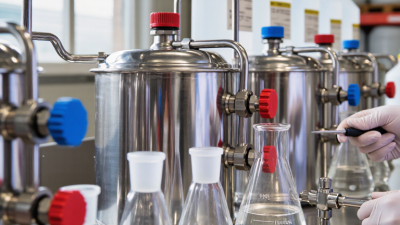
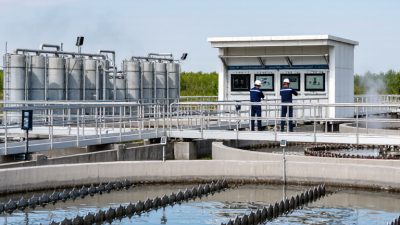
More and more buyers are turning to Biological Water Treatment these days—mainly because it's reliable, cuts down on chemical use, and opens the door for water reuse. And honestly, the need couldn't be clearer. According to the UN's 2024 SDG 6 progress update, only 58% of household wastewater worldwide was safely treated back in 2022. That's a pretty big deal. So that remaining gap? It's not just some abstract concept. It's pretty concrete—untreated flows are still ending up in rivers, and plants are having a hard time hitting their discharge targets. Honestly, how well a treatment system performs really depends on a bunch of local factors—like the wastewater itself, the climate, how much land you've got, energy costs, and whether the folks on site know their stuff. There are quite a few options out there, from activated sludge and sequencing batch reactors to moving-bed biofilm systems and membrane bioreactors, and each one tackles a different kind of headache. None of them is a magic bullet. You might pick a compact membrane system if space is tight, but a tougher biofilm process could be the better bet when loads are all over the place. When you're shopping around for equipment, don't just look at the sticker price. You really need to dig into the verified performance numbers, how much energy it'll eat, how much sludge it'll produce, what maintenance is going to look like, and whether the supplier's actually got your back. All that matters just as much—if not more. You know, Professor Mark van Loosdrecht — a pretty big name in environmental biotech at TU Delft — has been saying for years that we should treat wastewater like a resource, not just something to get rid of. And honestly, that way of thinking really matters. Sure, treated water can be reused, but only if the treatment process and monitoring actually match what you plan to use it for. So if you're a buyer looking at options globally, this guide walks you through the main system types and the questions you should ask before pulling the trigger. Just keep in mind: there will be trade-offs. No way around that. Look, biological performance can be spot on, but that alone won't cut it. Operators still need proper training, solid process control, and guarantees that actually hold up in the real world. And let's be honest—a shiny brochure just can't replace site-specific testing.
Read more »
Charlotte By:Charlotte - November 8, 2026
2026 Top Types of Acid Sodium Bicarbonate for Buyers

2026 Top Types of Acid Sodium Bicarbonate for Buyers

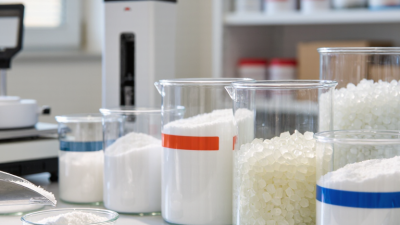
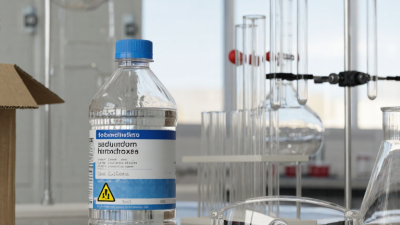
If you’re comparing Acid Sodium Bicarbonate suppliers in 2026, here’s the thing: don’t just go by the product name. That phrase pops up in listings in all sorts of ways, so you really need to confirm the exact material and grade. Sure, sodium bicarbonate is the go-to for neutralizing acids, but whether it actually works depends on the application—and the quality of the product. Honestly, just slapping a label on something? That’s not enough. If you're trying to compare products fairly, it's worth digging into the certificate of analysis—things like purity, particle size, moisture, packaging, and batch consistency. Honestly, these little details can make a big difference, especially when it comes to storage, how the material flows through your equipment, and how it performs in your process. For example, a fine powder can act totally different from coarser crystals when you're handling it. So yeah, the small stuff matters. Don't just take the supplier's word for it—ask for recent test results and a safety data sheet, then double-check that everything actually matches the product and batch you were quoted. One more thing buyers should do: ask about delivery terms, shelf-life guidance, and how complaints or quality issues get handled. Reliable suppliers spell out their specs in plain language and give you documentation you can trace. That really matters. Price still matters, of course, but a low quote is tough to judge if you're not comparing the same grade and packaging. And if a product description seems vague? Definitely question it. Alright, so this guide walks you through the main types and what to look out for as a buyer. But honestly, there's no single grade that's going to work for every situation. So before you place an order, double-check their claims against what your own process actually needs.
Read more »
Evelyn By:Evelyn - November 3, 2026
What Chemical Processing Equipment Is Best in 2026?

What Chemical Processing Equipment Is Best in 2026?

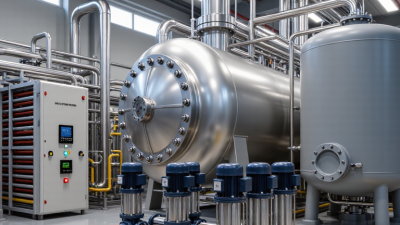
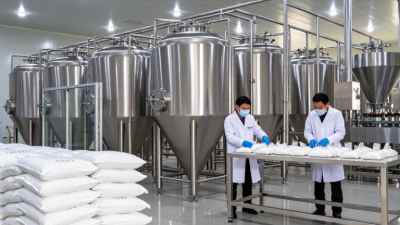
So, you’re looking at equipment for Chemical Processing in 2026 — and honestly, it’s not just about grabbing the newest machine off the shelf. What actually works depends on a few things: the material you’re running, operating temperature, pressure, batch size, and how fast you need to produce. For one process, a stainless-steel reactor might be perfect; for another, you’d probably be better off with a corrosion-resistant alloy or a lined vessel. You know, it’s usually the little things that catch you off guard. A pump’s seal, how easy a heat exchanger is to clean, even a filter’s pressure rating—they can all make or break your uptime and mess with product consistency. Okay, so first things first—start with what the process actually requires. Don't just take the brochure at face value. You really need to compare reactors, mixers, pumps, heat exchangers, filtration systems, and control gear against the real operating conditions they'll be working under. Ask suppliers pointed questions about performance data, material compatibility, maintenance intervals, and references from similar installations. And don't forget to double-check that the instruments give trustworthy readings—plus whether operators can actually reach the parts for inspection and cleaning. Honestly, these practical checks are a big help—they make your decisions safer and a lot more dependable. Honestly, there’s no single piece of equipment that wins for everyone. A high-efficiency model might cut your energy bills, but it can cost more upfront and sometimes needs a specialist to keep it running. That’s a trade-off you really have to look at closely. And I wouldn’t treat automation as some magic fix either—if you don’t fully understand your process conditions, better controls won’t make up for a flawed design. In the end, the best strategy is one that balances reliability, serviceability, energy use, and total lifecycle cost. So when you're trying to evaluate those factors and pick equipment that'll actually fit a plant's needs in 2026, there's a lot to weigh. And honestly, the final call should come down to real operating data—not just estimates. Because let's face it, estimates can miss what really goes down during a brutal production shift.
Read more »
Alexander By:Alexander - October 29, 2026
What Are the 2026 Top Desalination Water Treatment Systems?

What Are the 2026 Top Desalination Water Treatment Systems?

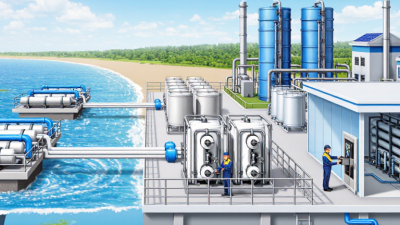
So, what makes a leading Desalination Water Treatment system in 2026? Honestly, it’s not about one flashy spec. What really matters is the recovery rate, energy use, water quality, maintenance needs, and environmental performance. And reverse osmosis? It’s still widely used—mainly because better membranes and energy-recovery devices can help cut electricity demand. Thermal desalination? Yeah, it’s still a go-to for big facilities—you know, the ones that have a reliable heat source on hand. Electrodialysis, on the other hand, can be a good fit for certain brackish-water projects, especially when operators want a bit more flexibility in how they remove salt. From what I've seen on actual projects, choosing equipment starts well before you even get to the membrane stage. Things like seawater temperature, algae growth, suspended solids, and how the intake is designed? They can totally change the outcome. A system that looks great in a clean pilot test might struggle once a storm rolls through or there's a seasonal bloom. It's an easy thing to miss. Pretreatment really matters. So you've got companies like IDE Technologies, Veolia, SUEZ, Toray, DuPont, and LG Water Solutions—still pushing forward with membranes, monitoring tools, and integrated treatment platforms. But when it comes to their tech, don't just take the marketing pitch at face value. What really matters is looking at verified operating data, independent testing, and life-cycle analysis. And keep an eye on the big indicators: specific energy consumption, how often membranes need replacing, chemical use, brine management, and whether everything meets local drinking-water rules. Honestly, there’s no one-size-fits-all winner here. A coastal town might lean toward a big reverse-osmosis plant, while a factory inland could be better off with a compact brackish-water setup. Digital sensors can catch pressure shifts and fouling earlier—no question—but they don’t replace experienced operators. And some published comparisons? They don’t always use consistent conditions, so direct rankings can be a bit imperfect. So, in this guide, we're going to look at the most promising systems for 2026 - and we'll keep it practical, focusing on reliability, performance you can actually measure, and producing water responsibly.
Read more »
Evelyn By:Evelyn - October 24, 2026
Why Choose Anhydrous Acetic Acid for Global Sourcing?

Why Choose Anhydrous Acetic Acid for Global Sourcing?

Choosing Anhydrous Acetic Acid for global sourcing requires more than comparing quoted prices. Manufacturers need consistent purity, dependable documentation, and supply partners who understand industrial realities. Anhydrous Acetic Acid contains minimal water, making it valuable for processes where moisture can affect reactions, product stability, or equipment performance. Its suitability depends on the application, not on the name alone. Details matter. Experienced buyers usually review technical specifications, water content, assay results, packaging standards, and batch traceability. A reliable supplier should provide a current Certificate of Analysis, Safety Data Sheet, and clear transport documentation. Independent laboratory testing can strengthen confidence when the shipment is large or the application is sensitive. These checks create evidence, rather than relying on attractive promises. Global sourcing also involves practical decisions. A sealed drum may suit one facility, while an approved bulk system may fit another. Storage conditions, port schedules, customs requirements, and emergency contacts should be discussed before purchasing. Compliance must remain central in every country and across the full supply chain. Safety comes first. Still, no sourcing plan is perfect. Delivery estimates can change, documents may require clarification, and supplier communication can occasionally fall short. A thoughtful purchasing team leaves room for verification and corrective action. This is where professional judgment matters. By combining technical review, transparent communication, and responsible chemical handling, companies can evaluate Anhydrous Acetic Acid with greater confidence. The strongest global sourcing decision is not always the cheapest one; it is the one that remains reliable after the shipment arrives.
Read more »
Alexander By:Alexander - October 20, 2026
How to Buy Sodium Hydroxide Safely in 2026?

How to Buy Sodium Hydroxide Safely in 2026?

So, how do you buy sodium hydroxide safely in 2026? Honestly, it's not just a price-check exercise. Sodium hydroxide is a seriously corrosive chemical—used in manufacturing, water treatment, cleaning, and labs—and a careless purchase can create problems before the drum even shows up. Dr. Trevor Kletz once said, 'Safety is not a gadget but a state of mind.' That idea still holds up when you're sizing up Hydroxide Sodium Hydroxide suppliers in 2026. You'll want to confirm the concentration, grade, batch details, safety data sheet, and packaging standards. A good supplier actually communicates. They also give you traceable paperwork and real-world handling advice—not just a spec sheet. Then look at the container itself. Secure caps, intact labels, corrosion-resistant materials, and clear hazard info all matter. Delivery matters too. Ask how they protect the shipment from moisture, heat, physical damage, and unauthorized access. Local chemical rules can shift, so check with the relevant authority before you order. And please, don't rely on a pretty listing alone. Experience teaches a tough lesson: a professional-looking website doesn't prove much. Even a solid checklist can miss a weak transport plan or outdated documents. Worth pausing on that. This guide looks at supplier credibility, product specs, storage expectations, delivery controls, and emergency prep. It won't replace formal workplace training or a site-specific risk assessment. Safe purchasing really starts with one simple choice: go with verified information over convenience.
Read more »
Charlotte By:Charlotte - October 16, 2026
Why Choose Ultrafiltration Water Treatment Systems?

Why Choose Ultrafiltration Water Treatment Systems?

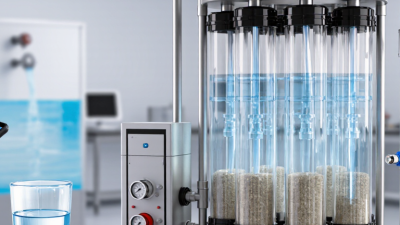
When you’re picking an Ultrafiltration Water Treatment system, start with the water source—not the shiny equipment brochure. Well water, surface water, and recycled water all come with different risks. And yeah, a sample that looks crystal clear can still contain bacteria, colloids, and suspended particles. Ultrafiltration uses hollow-fiber membranes with extremely small pores. It can reduce turbidity and many microorganisms without directly adding disinfectant at the membrane stage. Dr. Peter Gleick, President Emeritus of the Pacific Institute, once put it this way: “The world’s water crisis is not a crisis of scarcity, but a crisis of management.” That idea applies to filtration design, too. A practical system needs suitable pretreatment, controlled pressure, regular backwashing, and performance checks you actually document. Companies such as DuPont and Pentair develop membrane technologies, sure—but no brand can replace a proper site evaluation. That part really matters. For an Rv Water Treatment application, compact ultrafiltration can help deliver clearer water when space is limited. Operators may inspect a transparent prefilter housing, record pressure readings, and notice a gradual flow decline before failure. Those little details improve maintenance decisions. Still, ultrafiltration does not remove every dissolved salt, chemical, or contaminant. You may need additional treatment. The choice should consider feed-water testing, daily demand, membrane replacement costs, energy use, and local service access. Experience shows that simple systems often perform better when operators understand them. There’s no perfect setup. Even a well-designed system can underperform when cleaning schedules are ignored. That honest limitation deserves attention. A reliable Ultrafiltration Water Treatment plan balances filtration efficiency, verified data, practical maintenance, and the real conditions where the system will actually operate.
Read more »
Alexander By:Alexander - October 11, 2026
Why Choose Biological Water Treatment for Your Facility?

Why Choose Biological Water Treatment for Your Facility?

Choosing biological water treatment can really shift how a facility handles wastewater, energy use, and long-term operating risk. Instead of leaning only on intensive chemical treatment, this approach lets microorganisms break down biodegradable pollutants under controlled conditions. It looks a lot like nature doing its thing, but it still takes careful engineering. Good operators don’t just stare at lab results. They watch oxygen levels, temperature, pH, sludge texture, and flow changes during actual production hours. A sudden cleaning cycle can throw the microbes off. And a quiet tank can still be hiding a serious imbalance. Often, small observations are what keep bigger failures from happening. Biological water treatment may cut chemical demand and support more stable discharge performance. It can also help facilities handle wastewater that changes strength over time. But it’s not a one-size-fits-all fix. High toxicity, fluctuating loads, tight space, or weak maintenance can all limit how well it works. A pilot test can expose weak spots before full installation — and that step gets skipped way too often. Reliable decisions should pull together site surveys, sampling data, process modelling, and operator experience. Qualified engineers can compare aeration systems, biological media, clarifiers, and monitoring controls. They should also explain maintenance needs in plain, practical terms. The best design isn’t always the most complicated one. It’s the design the facility can actually run consistently. For facilities reviewing Rv Water Treatment options, biological processes are worth a careful look. Performance depends on local conditions, not pretty promises. Ask for measurable targets, realistic operating costs, and documented service support. A thoughtful review builds confidence — and it leaves room to improve the system once real-world operation starts.
Read more »
Charlotte By:Charlotte - October 7, 2026
How to Choose China Best Acid Sodium Bicarbonate Supplier?

How to Choose China Best Acid Sodium Bicarbonate Supplier?

Picking the right supplier for China Acid Sodium Bicarbonate isn't just about comparing prices—there's a bit more to it. For starters, you really need to double-check the product name because some suppliers might call it different things, like acid-grade, feed-grade, or industrial sodium bicarbonate. A smart buyer should ask for the exact chemical specs, including the CAS number, purity levels, particle size, moisture content, and what they plan to use it for—before even making contact. Experienced sourcing folks usually look at several things all at once. A reliable supplier will happily send you a recent Certificate of Analysis, a clear Safety Data Sheet, photos of their production process, and info on each batch that’s traceable. It's also worth checking if they control raw materials, drying conditions, screening, and how they package the final product. When you get a sample, it should come sealed, with a consistent powder appearance and readable labels—those little details can tell you a lot about their overall quality habits. And don’t forget factory verification—that’s another crucial step. Look into their export experience, any quality certifications they have, their lab equipment, and how quick they are at replying. It’s also a good idea to ask how they handle rejected batches, damaged pallets, or delays in shipment. Their answers often reveal more than what’s on their shiny website. Sure, price matters, but overly cheap offers should raise some red flags. They might just be offering lower purity, less sturdy packaging, or cutting corners somewhere else. No supplier is perfect, but I’ve seen buyers focus so much on unit price that they overlook moisture protection during ocean shipping, which can totally ruin the product. Ultimately, the best choice is one that offers consistent quality, solid technical support, transparent documentation, and reliable delivery. Make sure to compare at least three good Chinese suppliers, test samples in actual conditions, and put everything you agree on in the purchase contract. Yeah, this whole process might take more time, but it usually saves you from costly problems down the line—better to be safe than sorry!
Read more »
Alexander By:Alexander - October 1, 2026
10 Best Chemical Manufacturing Companies for Global Buyers

10 Best Chemical Manufacturing Companies for Global Buyers

Choosing a chemical supplier isn’t just about finding the lowest price, you know? Little things like a delayed drum, inconsistent batches, or missing technical documents can really throw a wrench in your production line. As someone managing or buying chemicals, you need reliability—quality you can count on, clear specs, quick support when you need it, and logistics that match your market’s needs. Frances Arnold, the Nobel laureate and chemical engineer, once said, “The thing about science is that it’s not about always being right. It’s about being wrong and figuring out why.” That same kind of curious, testing mindset really matters in chemical manufacturing, where process control and keeping product quality steady are what impact your decisions. When vetting suppliers, it pays to check their certifications, ask for the latest product data, and see how they handle questions about quality—little details like these are everything. In this guide, I’ve looked at ten big names like BASF, Dow, SABIC, LyondellBasell, INEOS, Mitsubishi Chemical Group, LG Chem, Evonik, Eastman, and DuPont. They each have their own strengths—different ranges of products, regional coverage, and expertise. Just having a huge global footprint can help ensure steady supply, but it doesn’t automatically mean you’ll get the perfect product or service for your needs. No list is perfect, after all. Factors like availability, pricing, and technical support can vary depending on where you are and what you’re buying. So treat this as a starting point—then follow up directly with each company to make sure they tick all your boxes. Taking the time to review your options carefully actually saves you from costly surprises down the road.
Read more »
Charlotte By:Charlotte - September 26, 2026
2026 Top Caustic Soda Sodium Suppliers for Global Buyers?

2026 Top Caustic Soda Sodium Suppliers for Global Buyers?

Choosing the top Caustic Soda Sodium suppliers for 2026 isn't just about comparing prices listed on paper. Buyers around the world really need to dig deeper—looking for proof of consistent product quality, solid export experience, trustworthy documentation, and quick, helpful technical support. You see, sodium hydroxide usually comes in a few forms: 32% or 50% liquid solutions, or solid flakes and pearls. Each of these types has its own quirks when it comes to storage, handling, and shipping. For example, a 50% solution might arrive in a heated tank to keep it stable, while flakes? Those need moisture-proof packaging and a dry place to store. It’s all about knowing what you’re dealing with. And yeah, safety should always come first. Trevor Kletz, a well-known safety expert, once said, “If you think safety is expensive, try ignorance.” That’s so true—especially when you’re buying chemicals like Caustic Soda. So, it’s smart to check certificates of analysis, impurity limits, traceability records, photos of packaging, loading procedures, and incident reports from suppliers. Companies like OxyChem, Westlake, INOVYN, and Formosa Plastics might be on your radar, but honestly, just because they’re big names doesn’t mean they’re automatically the right fit for your specific needs. Always verify—they’re not one-size-fits-all. A good, reliable supplier in 2026 should be able to show stable production capacity, clear lead times, easy port access, and backup plans in case of equipment failures or shipping hiccups. Responsible buyers will also want to review regulatory paperwork, safety data sheets, local import rules, and emergency support options. Price? It’s important, no doubt. But it shouldn’t be the only thing influencing your decision. Cheap options can end up costing more in the long run—think delays, damaged drums, varying concentration levels, or rejected tests. This guide takes a close look at leading suppliers, weighing all the evidence. But here’s the honest truth: supplier rankings can change pretty fast, and no company is perfect. So, always double-check recent records before signing any contracts.
Read more »
Charlotte By:Charlotte - September 23, 2026
China Top 10 Chemical Raw Materials Manufacturers?

China Top 10 Chemical Raw Materials Manufacturers?

Thinking about the top chemical raw material manufacturers in China? Honestly, it’s more than just a simple sales list. These raw materials are the backbone of so many industries—plastics, coatings, textiles, batteries, agriculture, construction, and pharma all rely on them. Their supply chains? Well, they often start from refinery streams, coal conversions, or some pretty specialized synthesis processes. And here’s the thing—if even a single port gets delayed, it can throw off resin deliveries hundreds of kilometers away. It’s kinda crazy how interconnected everything is. According to the CEFIC Facts and Figures 2024 report, China is actually the world’s biggest hub for chemical production. Plus, ICIS’s 2024 Global Top 100 Chemical Companies report shows China really holds a strong position among the top players. But here’s a thing—they measure different stuff. Revenue alone? It doesn’t tell the full story about product quality. And being big? Doesn’t always mean super reliable technically. So, in this guide, I’ve looked at stuff like how much these companies can produce, how far they export, how diverse their product lines are, how much they invest in R&D, their certifications, and customer feedback. Some of the key names include Sinopec, PetroChina, Wanhua Chemical, Hengli Petrochemical, Zhejiang Longsheng, and China National Chemical Corporation. As Patrick Thomas, the former CEO of Covestro, put it—"The chemical industry is the industry of industries." It’s a fitting way to think about it. Manufacturers need to keep delivering consistent specs, safe packaging, traceable batches, and stable lead times. When you’re choosing a supplier, it’s a good idea to check their product sheets, audit reports, and how they handle logistics regionally. No ranking out there is perfect, by the way. Public info can sometimes be incomplete, and company performance changes pretty quickly. So think of this as a helpful starting point—not the final word. And one more thing—avoid making unsupported claims about compliance, because responsible sourcing really depends on verified standards and detailed local reviews."
Read more »
Alexander By:Alexander - September 23, 2026
What Are the 2026 Top Feed Additives for Global Buyers?

What Are the 2026 Top Feed Additives for Global Buyers?

So, what's on the radar for feed additives in 2026, especially for global buyers? Well, the feed additives market is really gearing up for bigger demands, with a clear focus on measurable results. Back in 2023, Grand View Research pegged the market at around $40 billion, and they’re not stopping there — they see steady growth all the way through 2030. Meanwhile, MarketsandMarkets is saying it’ll grow from roughly $38.8 billion in 2024 to about $50 billion by 2029. Those figures don’t match exactly, and honestly, that’s worth paying some attention to. If you’re a global buyer, you’ll probably be looking at the usual big players like probiotics, enzymes, phytogenics, organic acids, and mycotoxin binders. Each of these addresses a real farm issue — probiotics help keep gut health in check, enzymes make nutrients from corn, wheat, and soybean meal more available, and phytogenics might help animals keep eating during hot weather. Organic acids are all about feed hygiene, and mycotoxin binders are there to deal with possible contamination in stored grains. Dr. Richard Ducatelle, who's pretty well-known for his work on poultry gut health, once said, “Feed additives are tools, not replacements for good management.” That’s a great point to keep in mind when you’re making your 2026 purchasing decisions. No matter how fancy an additive is, it’s not going to fix issues like poor ventilation, wet litter, bad storage, or irregular feeding. Buyers should dig into controlled trial data, check how much to use, see if it’s stable over time, and trace the batch history. And don’t forget to make sure everything lines up with your local feed regulations. The FAO and OECD-FAO Agricultural Outlook for 2024–2033 are highlighting continued pressure to produce animal protein efficiently. That kind of push will surely influence what people buy. But, with all the buzz and excitement, it’s easy to get carried away with hype. Not every botanical blend or lab result will play out in real farm conditions. The most trustworthy suppliers will be upfront about what their products can and can’t do, backing it up with real-world data on feed conversion, mortality rates, litter quality, and profit margins per animal.
Read more »
Evelyn By:Evelyn - September 23, 2026