Sorted Industrial Glass Cullet for Furnace Recycling
Product Attributes
| Attribute | Selection Reference |
| Product | Glass Cullet |
| Grade coverage | Industry grade; color and source sorted |
| Chemical identity | Recycled soda-lime or specified glass composition |
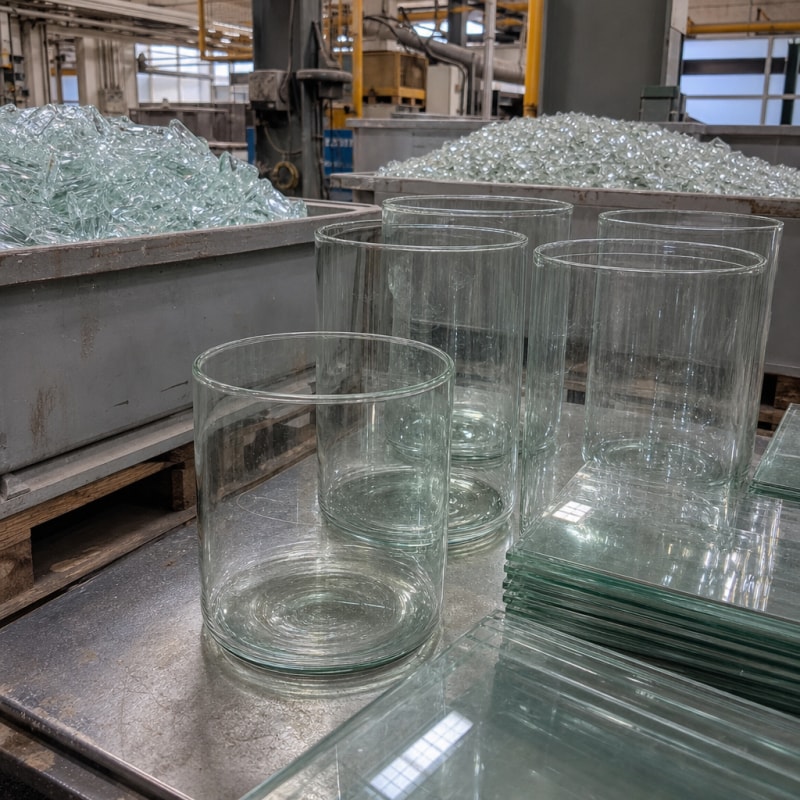
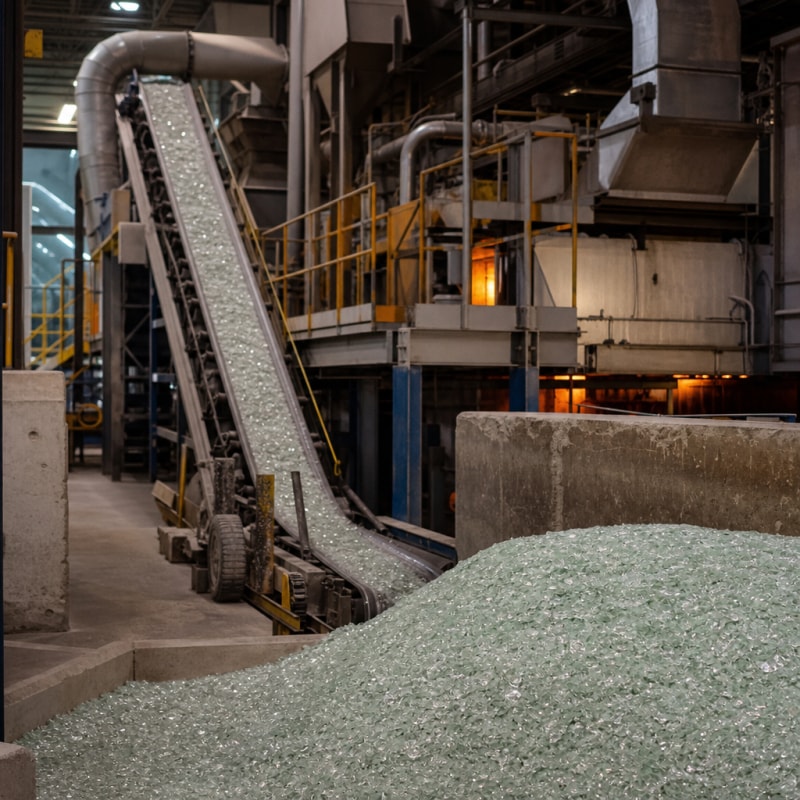
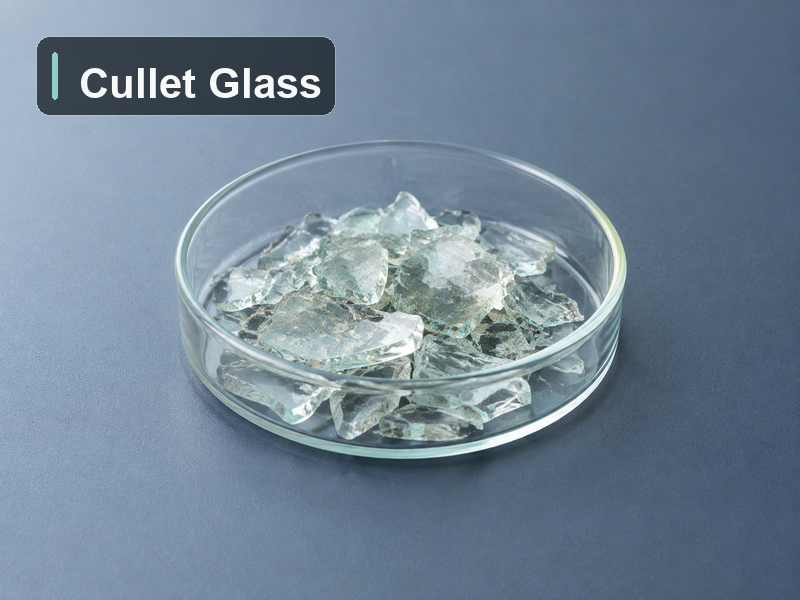
| Typical appearance | clean crushed glass pieces in an agreed size range |
| Main specification points | Glass type; color; ceramic/stone contamination; ferrous and nonferrous metals; organics; size |
| Packing options | loose bulk delivery, 1,000–1,500 kg bulk bags, or buyer-specific containers |
Specification note: Confirm every critical parameter and its method before purchase; the batch certificate reports against the accepted version.
Product Description
Customers evaluating Glass Cullet can source Industry grade; color and source sorted material described as clean crushed glass pieces in an agreed size range. The offer is configured around the performance required at the user’s site and the controls needed for transport and receipt. Technical dialogue before quotation helps identify whether chemistry, particle behavior, concentration, color, documentation, or another attribute will decide acceptance.
Material Profile and Production
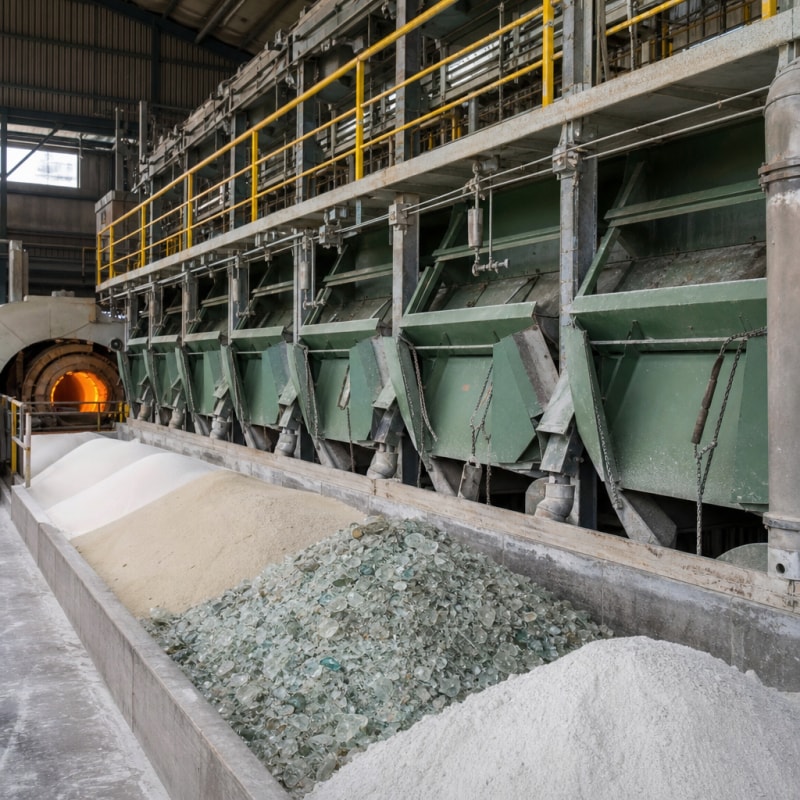
Production involves post-industrial or post-consumer glass is collected, color separated, cleaned, metal removed, crushed, optically or manually sorted, and screened. Raw-material status, key process observations, and final inspection are captured in the batch history. Particular attention is paid to preventing foreign matter and mix-ups during the packing changeover. This history complements laboratory results when customers complete supplier or product qualification.
Key Applications and Process Value
Processors use this material in container glass, fiberglass, glass wool, tiles, beads, abrasives, filtration media, and other qualified glass or mineral-processing routes. The most reliable qualification route compares the proposed lot with the current standard in the real recipe or operating window. Customers can request a sample where feasible, define the acceptance test, and then lock the required grade and physical form into repeat orders.
Customers are encouraged to define one primary success measure and several guardrails before sampling. That method prevents a gain in speed or appearance from masking an unacceptable change in emissions, corrosion, waste, stability, or downstream processing.
Quality Assurance and Buyer Qualification
Release review includes glass family, color mix, particle range, fines, ceramics-stone-porcelain contamination, metals, moisture, and organic residues. The agreed test method matters because preparation and instrument conditions can change the reported value. A lot-specific certificate can accompany shipment, while additional inspection or witnessed sampling is arranged only when it is included in the purchase terms.
Safe Handling and Storage
Edges are sharp and crushing can release respirable dust. Use guarded conveying, gloves, eye protection, dust extraction, and housekeeping. Furnace acceptance limits must be agreed before shipment. Transfer equipment and containers must be compatible with the ordered grade. Inspect damaged packs before movement, keep incompatible materials separated, and train operators to follow the SDS and local occupational rules during sampling, charging, housekeeping, and waste collection.
Packaging, Shipping, and Service
Routine shipment uses loose bulk delivery, 1,000–1,500 kg bulk bags, or buyer-specific containers. Alternative weights may be evaluated for manual handling, warehouse racking, and freight efficiency. Sample availability and courier restrictions vary by product. The accepted sales confirmation—not the webpage—sets delivery date, Incoterm, payment schedule, and documentary obligations.
A grade comparison and evaluation sample can be coordinated when feasible; the customer retains responsibility for approving suitability and legal use.