Leave Your Message
Featured laboratory-grade titrants, buffering agents, and industrial stabilizers engineered to elevate high-yield paper manufacturing performance.
A comprehensive examination of standard volumetric alkaline solutions in chemical digestion, Kappa number determination, and automated inline quality control.
In modern pulp and paper manufacturing, Sodium Hydroxide 0.1 N (0.1 Normal volumetric standard solution) serves as the indispensable reference titrant for evaluating residual alkali, controlling liquor balances, and determining the chemical properties of cellulosic fiber matrices. While bulk caustic soda is consumed in kilotons during kraft and soda digestion to solubilize cross-linked lignin and cleave ester bonds, Sodium Hydroxide 0.1 N acts as the analytical anchor. It is essential in standardized methods (such as TAPPI T236, SCAN-C 1:00, and ISO 302) to calculate the residual permanganate consumption and determine precise Kappa numbers across pulp bleaching runs.
The Kappa number directly correlates to the lignin concentration remaining in the unbleached pulp. Over-bleaching causes catastrophic degradation of hemicellulose and crystalline cellulose chains, yielding low-viscosity slurries with degraded tear and burst resistance. Using precisely standardized 0.1 N NaOH guarantees error-free acid-base back-titrations against potassium iodide and thiosulfate solutions. This analytical accuracy provides chemical engineers with the minute-by-minute feedback needed to adjust chlorine dioxide, hydrogen peroxide, or ozone dosings down to parts-per-million accuracy.
Through ABC Titration (Wilson method), pulp testing facilities employ 0.1 N standard alkali alongside barium chloride precipitation to isolate carbonates and accurately quantify active hydroxide versus hydrosulfide ions. Precise 0.1 N factor calibration minimizes mill downtime and prevents causticizing lime kiln overconsumption.
Functional surface charge dictates dry-strength additives, retention polymers, and cationic starch efficiency. Potentiometric back-titration using Sodium Hydroxide 0.1 N accurately profiles surface carboxylic acid functional groups on fiber cell walls, optimizing drainage time on paper machine forming wires.
The pulp processing sector is moving rapidly toward fully integrated bio-refineries, where cellulose is converted not only into packaging papers and sanitary tissues, but also into dissolving pulp for viscose fibers, microfibrillated cellulose (MFC), and biochemical precursors. In these closed-loop, water-neutral ecosystems, chemical consumption metrics require higher operational precision. Fully automated wet-chemical analyzers hooked into continuous digester flow channels leverage standardized 0.1 N Sodium Hydroxide reagents with automated temperature compensation to eliminate human operational variance.
Furthermore, global environmental mandates enforce total chlorine-free (TCF) and elemental chlorine-free (ECF) bleaching platforms. These processes demand tighter pH management during alkaline extraction stages (E, Ep, or Eop). A minor deviation in alkali dosage accelerates peroxide decomposition through radical pathways rather than desired perhydroxyl anion reactivity. Through stringent laboratory testing and calibrated standardization routines powered by high-purity 0.1 N volumetric standards, modern mills continuously minimize chemical usage while hitting consistent ISO brightness targets above 88%.
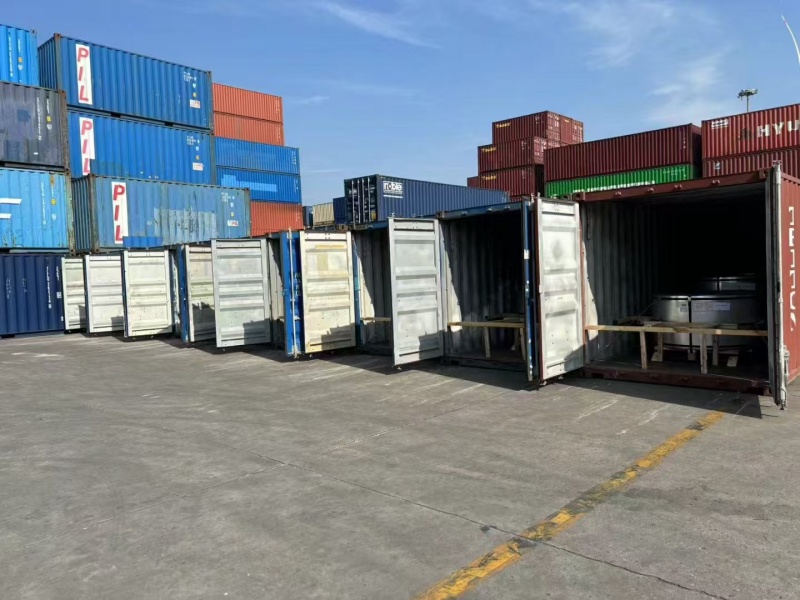
RIVER AND MOUNTAIN GLOBAL LIMITED, also known as RMG, is a global chemical products supplier with more than 20 years of experience in the chemical industry.
We specialize in the export of chemical products used in glassware, printing and dyeing, water treatment, detergents, food and feed additives, fertilizers, desiccants, plastics, minerals, paper-making, and foaming agents.
With deep industry knowledge, reliable supplier resources, and a strong understanding of international markets, RMG helps global buyers solve key sourcing challenges: stable quality, competitive pricing, reliable supply, and efficient service.
Our products are sourced from national-level enterprises and trusted manufacturers, ensuring consistent product quality and long-term supply stability for customers worldwide.
At RMG, we focus on what matters most to chemical product buyers:
Competitive Price
We help customers control purchasing costs through strong sourcing capability and long-term supplier cooperation.
Reliable Product Source
Our supply network is built on qualified manufacturers with stable production capacity and quality assurance.
Stable Quality
We select products from reputable enterprises to reduce quality risk and support repeat purchasing.
Professional Service
From inquiry to shipment, our team responds quickly and supports customers with practical export experience.
Global Market Experience
With business covering 50+ countries and regions, we understand the needs of buyers across Asia-Pacific, Europe, North America, Latin America, the Middle East, Africa, and Oceania.
Our vision is to become a trusted long-term chemical supply partner for global buyers.
We believe that chemical trade is not only about price, but also about stability, responsibility, and trust. RMG is committed to building sustainable partnerships with customers who value consistent quality, reliable supply, and professional cooperation.
We aim to support customers in reducing sourcing risks, improving procurement efficiency, and gaining stronger competitiveness in their local markets.
Experience in the chemical industry
Global business coverage
Serving industries including water treatment, detergents, fertilizers, food and feed additives, paper-making, plastics, and more
Products sourced from national-level enterprises and reliable manufacturers
RMG was founded with a clear purpose: to make chemical product sourcing more reliable, more efficient, and more valuable for international buyers.
Over the past 20 years, we have witnessed the changing demands of the global chemical market. Buyers need more than a product list; they need a partner who understands market fluctuations, supply risks, documentation requirements, and long-term cooperation.
That is why RMG continues to focus on three core values: competitive pricing, dependable supply, and customer satisfaction. These values guide every quotation, every shipment, and every partnership we build.
Today, RMG continues to grow with customers around the world, providing chemical products and sourcing support across multiple industries and markets.
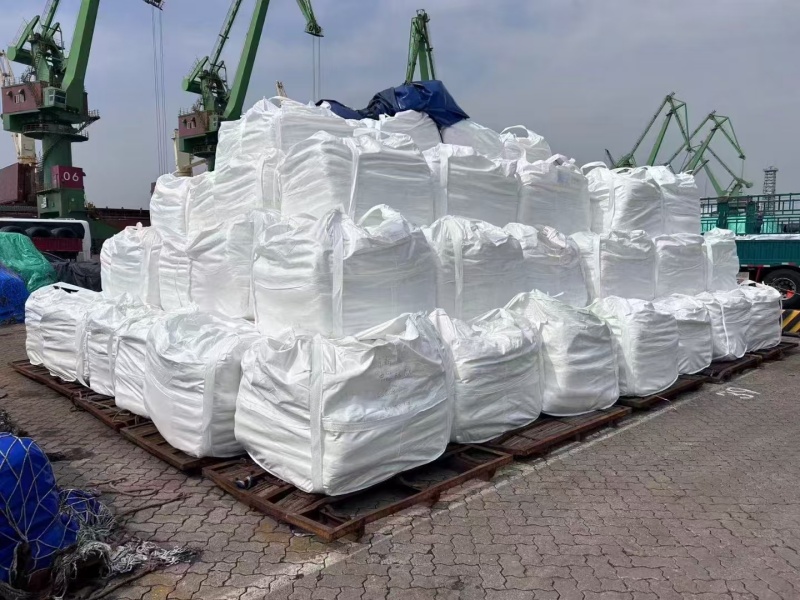
RMG serves customers in more than 50 countries and regions, with business coverage across:
Our wide market coverage allows us to respond to different purchasing needs, regional standards, and application requirements with greater flexibility.
RMG works closely with reliable chemical manufacturers and national-level enterprises to ensure product stability and supply continuity.
For global buyers, this means more than finding a supplier. It means working with a sourcing partner who can provide quality consistency, supply reliability, and long-term cooperation value.
Explore our export-certified chemicals supporting fiber treatments, neutralizing agents, buffering, and specialty industrial applications worldwide.