Leave Your Message
Premium standard-grade processing agents, buffering chemicals, and stabilizers sourced to support high-efficiency fertilizer and agro-industrial synthesis.
Analyzing the pivotal role of precise normality volumetric alkalizing agents in soil nutrient assays, liquid fertilizer stability, and modern agricultural engineering.
Sodium Hydroxide 0.1 N (0.1 Normal volumetric solution, equivalent to 0.1 Molar single-donor hydroxyl concentration) serves as a critical, highly calibrated reagent across modern agricultural chemical development and field testing. In contemporary fertilizer production plants, the precision of chemical constituents dictates not only the bioavailability of vital macro-nutrients (Nitrogen, Phosphorus, Potassium - NPK) but also safeguards against osmotic scorch and soil degradation. Unlike concentrated caustic soda flakes, an analytically measured 0.1 N standard solution provides exact stoichiometry without the thermal surges or harsh localized alkalinization that decompose delicate bio-active agents.
From an international agrochemical market perspective, standard volumetric solutions have evolved from baseline laboratory consumables into baseline quality metrics for bulk blending. The growing shift toward high-efficiency liquid drip irrigation fertilizers, specialty water-soluble granulates, and foliar spray nutrients has mandated unprecedented levels of consistency. Utilizing accurate 0.1 N Sodium Hydroxide ensures that every formulation batch meets stringent international tolerances, supporting agricultural sustainability targets and regulatory benchmarks across major agricultural exporters.
The operational roles of Sodium Hydroxide 0.1 N span several vital segments of modern agronomy and industrial fertilizer processing:
As agriculture transitions into the Industry 4.0 and precision farming era, the application of volumetric reagents is experiencing rapid technological evolution:
1. Automated In-Line Titration in Smart Fertilizer Synthesis: Modern blending factories are discarding manual grab-sampling in favor of automated continuous potentiometric titrators. Here, pre-packaged, highly shelf-stable 0.1 N standard solutions feed closed feedback loops that dynamically adjust reaction vessels during continuous phosphate rock digestion and ammonium phosphate crystallization.
2. Ecological and Regenerative Agrochemical Systems: The global drive to reduce high sodium index accumulation in arid soils has heightened interest in balancing sodium ions with potassium analogs. In testing protocols, 0.1 N NaOH remains irreplaceable due to its high dissociation constant and standardized validation across international regulatory bodies including AOAC, ISO, and EPA protocols for agricultural soil analysis.
3. Advanced Nanocarrier and Slow-Release Nutrient Monitoring: Controlled-release polymers and sulfur-coated urea pellets demand precise assessment of coating degradation rates. Standardized 0.1 N alkaline hydrolysis assays quantify the structural resilience and decomposition timeline of synthetic and biodegradable polymer barriers under varying environmental conditions.
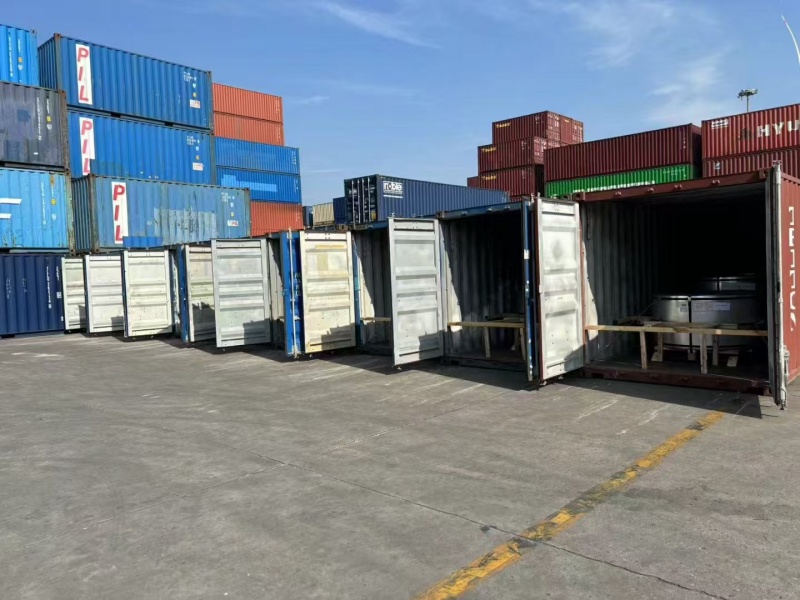
RIVER AND MOUNTAIN GLOBAL LIMITED, also known as RMG, is a global chemical products supplier with more than 20 years of experience in the chemical industry.
We specialize in the export of chemical products used in glassware, printing and dyeing, water treatment, detergents, food and feed additives, fertilizers, desiccants, plastics, minerals, paper-making, and foaming agents.
With deep industry knowledge, reliable supplier resources, and a strong understanding of international markets, RMG helps global buyers solve key sourcing challenges: stable quality, competitive pricing, reliable supply, and efficient service.
Our products are sourced from national-level enterprises and trusted manufacturers, ensuring consistent product quality and long-term supply stability for customers worldwide.
At RMG, we focus on what matters most to chemical product buyers:
Competitive Price
We help customers control purchasing costs through strong sourcing capability and long-term supplier cooperation.
Reliable Product Source
Our supply network is built on qualified manufacturers with stable production capacity and quality assurance.
Stable Quality
We select products from reputable enterprises to reduce quality risk and support repeat purchasing.
Professional Service
From inquiry to shipment, our team responds quickly and supports customers with practical export experience.
Global Market Experience
With business covering 50+ countries and regions, we understand the needs of buyers across Asia-Pacific, Europe, North America, Latin America, the Middle East, Africa, and Oceania.
Fostering enduring supply ecosystems based on integrity, precision, and global capability.
Our vision is to become a trusted long-term chemical supply partner for global buyers.
We believe that chemical trade is not only about price, but also about stability, responsibility, and trust. RMG is committed to building sustainable partnerships with customers who value consistent quality, reliable supply, and professional cooperation.
We aim to support customers in reducing sourcing risks, improving procurement efficiency, and gaining stronger competitiveness in their local markets.
A proven track record of dependability, international reach, and technical excellence.
Experience in the chemical industry
Global business coverage
Serving industries including water treatment, detergents, fertilizers, food and feed additives, paper-making, plastics, and more
Products sourced from national-level enterprises and reliable manufacturers
RMG was founded with a clear purpose: to make chemical product sourcing more reliable, more efficient, and more valuable for international buyers.
Over the past 20 years, we have witnessed the changing demands of the global chemical market. Buyers need more than a product list; they need a partner who understands market fluctuations, supply risks, documentation requirements, and long-term cooperation.
That is why RMG continues to focus on three core values: competitive pricing, dependable supply, and customer satisfaction. These values guide every quotation, every shipment, and every partnership we build.
Today, RMG continues to grow with customers around the world, providing chemical products and sourcing support across multiple industries and markets.
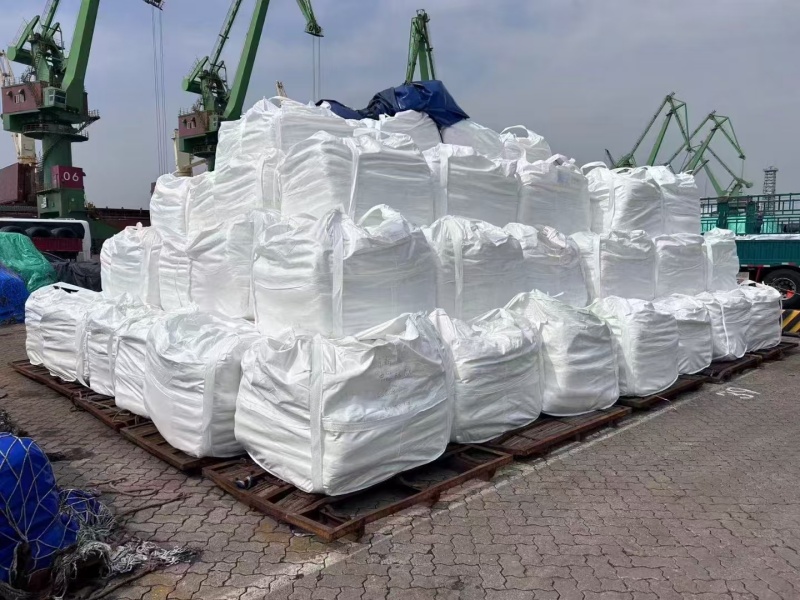
Connecting continents with responsive chemical distribution networks.
RMG serves customers in more than 50 countries and regions, with business coverage across:
Our wide market coverage allows us to respond to different purchasing needs, regional standards, and application requirements with greater flexibility.
RMG works closely with reliable chemical manufacturers and national-level enterprises to ensure product stability and supply continuity.
For global buyers, this means more than finding a supplier. It means working with a sourcing partner who can provide quality consistency, supply reliability, and long-term cooperation value.
Explore our core range of high-performance reagents, additives, processing aids, and functional raw materials tailored for international procurement.