Reliable Industrial Calcium Carbide for Acetylene Generation
Product Attributes
| Attribute | Selection Reference |
| Product | Calcium Carbide |
| Grade coverage | Industry grade |
| Chemical identity | CaC2 |
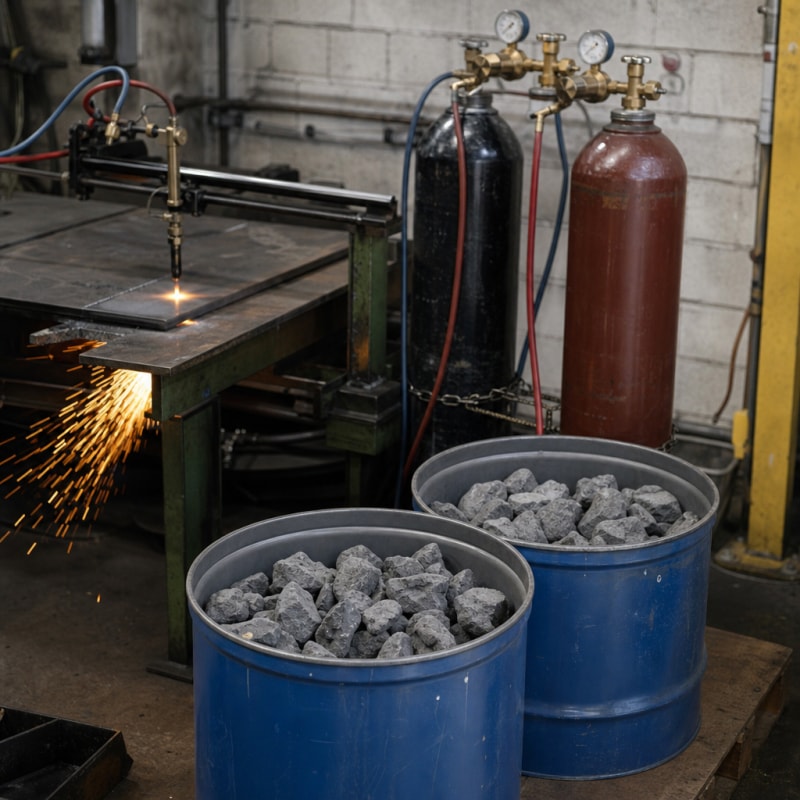
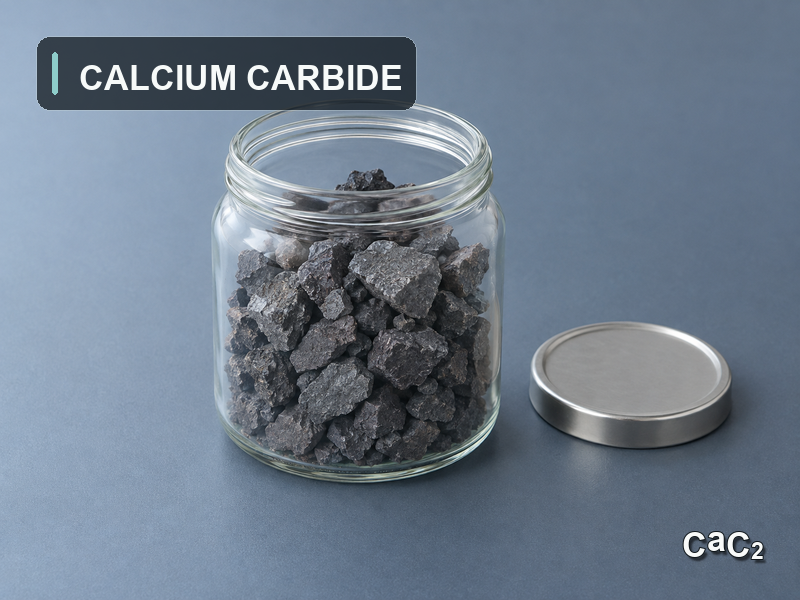
| Typical appearance | grey to dark solid lumps in selected size ranges |
| Main specification points | Gas yield; lump size; phosphine; hydrogen sulfide; fines; appearance |
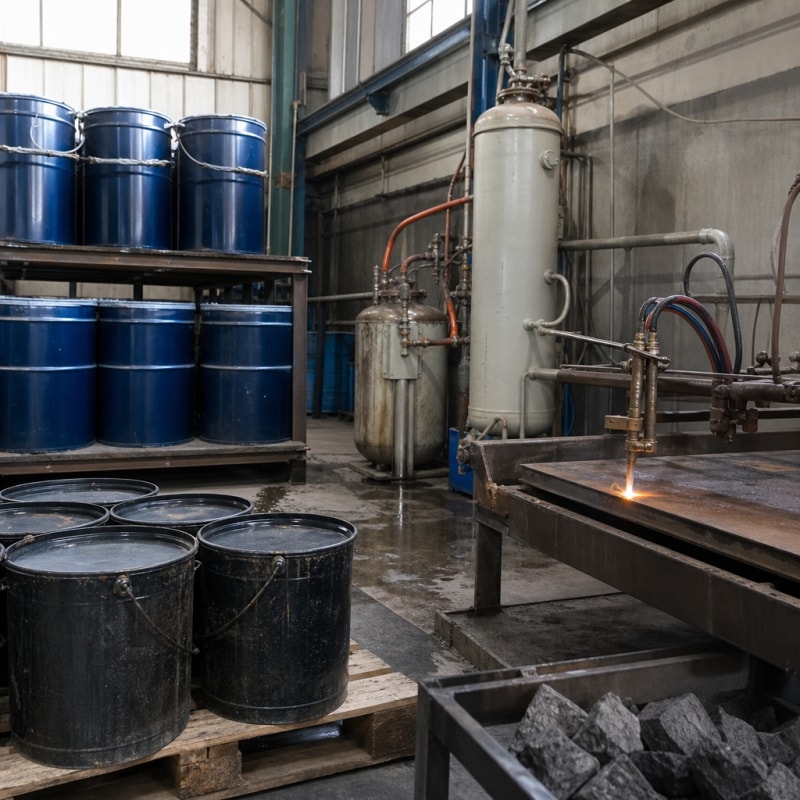
| Packing options | 50 kg or 100 kg sealed steel drums; container loading configured for dangerous-goods rules |
Specification note: Indicative selection fields are shown above; binding limits and methods appear in the approved specification and shipment COA.
Product Description
Specified as Industry grade, Calcium Carbide gives formulators and plant teams a clearly identified commercial input in the form of grey to dark solid lumps in selected size ranges. The supply discussion connects composition with the way the material will be received and processed. Confirming those details early reduces ambiguity between similarly named grades and creates a sound basis for sampling, approval, and repeat purchasing.
Material Profile and Production
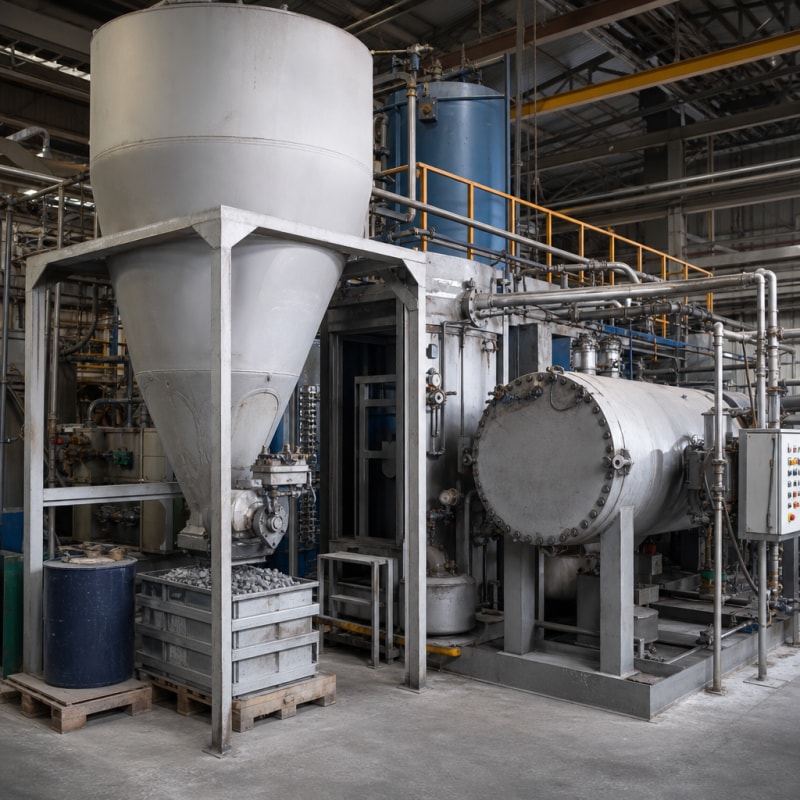
This grade is prepared through quicklime and carbonaceous material are reacted at high temperature, cooled under controlled conditions, then crushed and size classified. Control of the last production steps determines how readily the material can be transferred, mixed, dissolved, or reacted at the user’s site. Finished units receive a lot reference, net-weight check, and closure inspection before they are cleared for warehouse release.
Key Applications and Process Value
Typical outlets include acetylene generation, desulfurization in metallurgical operations, calcium cyanamide production, and other controlled industrial reactions. Users should conduct a plant trial to establish dose, addition sequence, mixing energy, and compatibility with their particular raw materials. Scale-up should also review equipment metallurgy, ventilation, effluent impact, and any change in final-product labeling or regulatory status.
A useful evaluation starts at modest scale and compares the candidate with the current control. Record feed rate, temperature, mixing time, visible behavior, yield, and the final acceptance test; these details reveal whether a specification difference has real production significance.
Quality Assurance and Buyer Qualification
Analytical confirmation covers acetylene gas yield, size distribution, fines, phosphine and hydrogen-sulfide impurities, appearance, and packaging tightness. Sampling follows the applicable internal or contracted procedure, since poor sampling can outweigh laboratory precision. Nonstandard impurity limits and customer-specific performance tests are accepted only after method, frequency, and responsibility have been agreed.
Safe Handling and Storage
Dangerous when wet: contact with water releases extremely flammable acetylene. Store dry, isolated from moisture and ignition sources, in approved airtight packaging. Trained operators and destination-compliant dangerous-goods procedures are essential. Do not remove hazard marks or reuse an empty package without an approved procedure. The user is responsible for engineering controls, protective equipment, hygiene, exposure assessment, and lawful disposal based on its actual operation and jurisdiction.
Packaging, Shipping, and Service
Commercial presentation can be selected from 50 kg or 100 kg sealed steel drums; container loading configured for dangerous-goods rules. A pre-shipment plan reconciles ordered quantity, lot marks, labels, and transport requirements. Standard paperwork may include invoice, packing list, COA, and SDS. Any certificate of conformity, inspection, or destination registration is subject to availability and prior written agreement.
A focused inquiry should include use, volume, destination, and decisive parameters. Customer trials and regulatory review determine final adoption.