Purified Phosphoric Acid for Food and Industry
Product Attributes
| Attribute | Selection Reference |
| Product | Phosphoric Acid |
| Grade coverage | Food grade / industry grade |
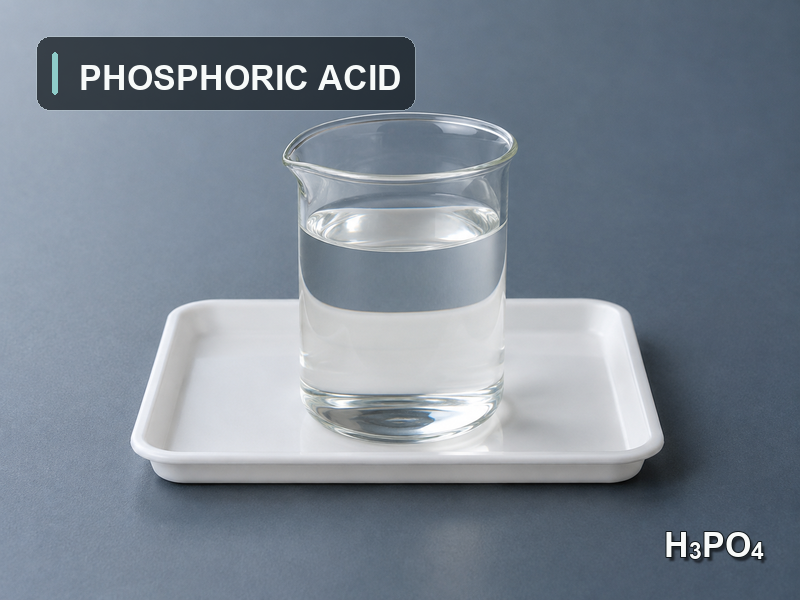
| Chemical identity | H3PO4 |
| Typical appearance | clear, colorless, viscous aqueous liquid |
| Main specification points | H3PO4 assay; color; iron; chloride; sulfate; heavy metals; arsenic; fluoride |
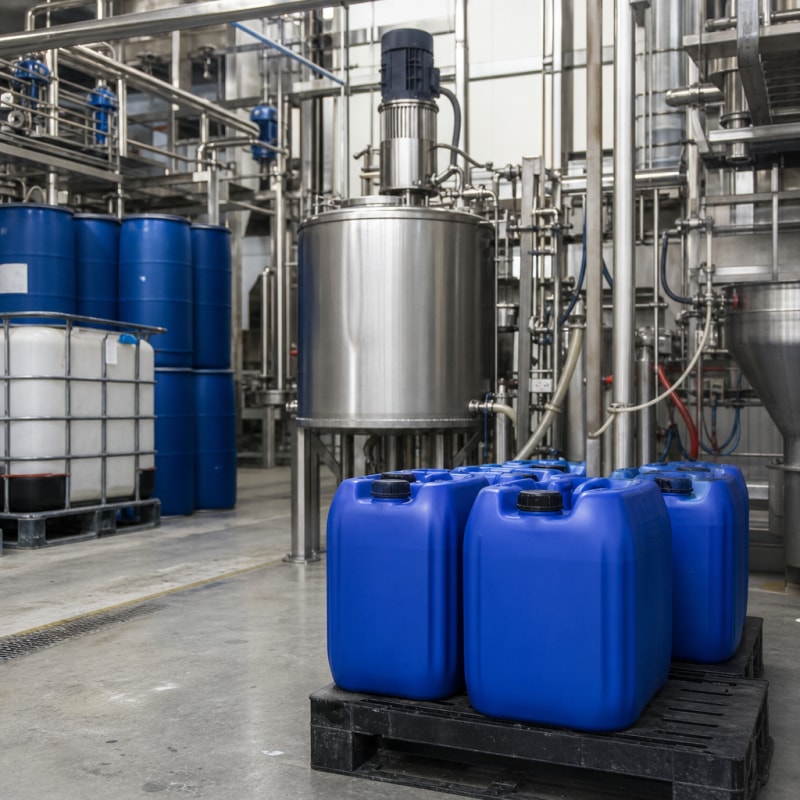
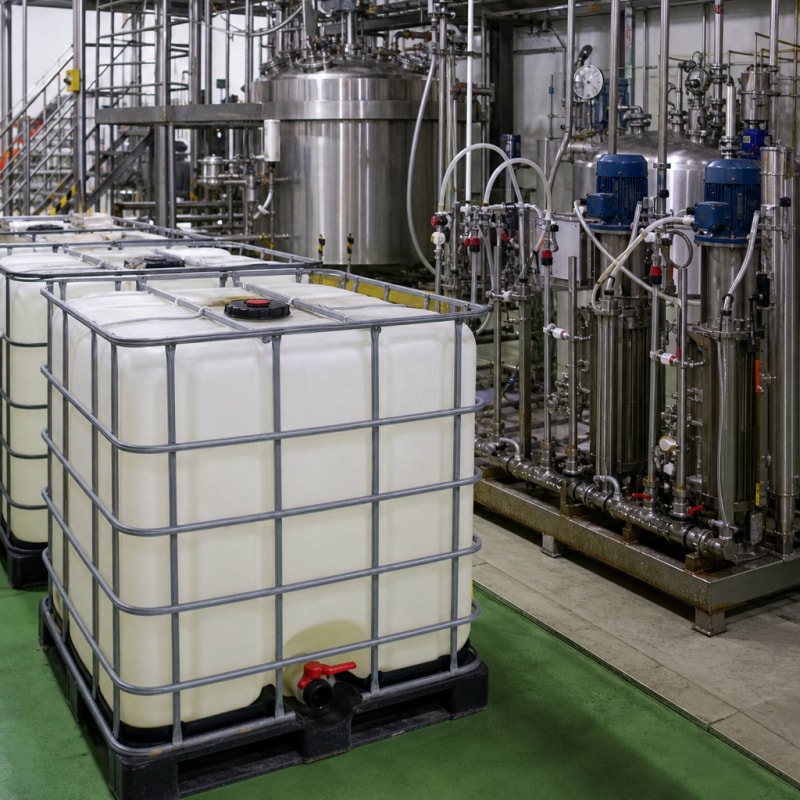
| Packing options | 35 kg carboys, 330 kg drums, IBCs, or isotank supply subject to grade and route |
Specification note: Values are intentionally not generalized across grades. The signed technical agreement controls the supplied lot.
Product Description
Customers evaluating Phosphoric Acid can source Food grade / industry grade material described as clear, colorless, viscous aqueous liquid. The offer is configured around the performance required at the user’s site and the controls needed for transport and receipt. Technical dialogue before quotation helps identify whether chemistry, particle behavior, concentration, color, documentation, or another attribute will decide acceptance.
Material Profile and Production
Production involves wet-process or thermal-route acid is purified and concentration adjusted to the contracted grade, then filtered and batch tested. Raw-material status, key process observations, and final inspection are captured in the batch history. Particular attention is paid to preventing foreign matter and mix-ups during the packing changeover. This history complements laboratory results when customers complete supplier or product qualification.
Key Applications and Process Value
Commercial uses span acidification of permitted foods and beverages, phosphate manufacture, metal surface treatment, water processing, detergents, and chemical synthesis. Selection should connect a measurable product attribute with a process outcome—for example flow, reaction speed, color, purity, separation, or finished strength. Our supply team can exchange specification and logistics information, but formulation approval and safe operating limits remain with the user’s qualified technical staff.
The best grade is the one that meets the process outcome at a sustainable total cost. Trial plans should therefore capture dosage, labor, rejects, filtration or cleaning load, energy demand, and final quality—not merely the purchase price per tonne.
Quality Assurance and Buyer Qualification
Batch documentation brings together process completion and results for acid concentration, color, clarity, iron, chloride, sulfate, fluoride, arsenic, heavy metals, and food-grade standard compliance where ordered. Deviations are evaluated before disposition. For applications in which a small change has a large effect, the customer’s incoming inspection and a mutually understood change-notification arrangement add valuable protection.
Safe Handling and Storage
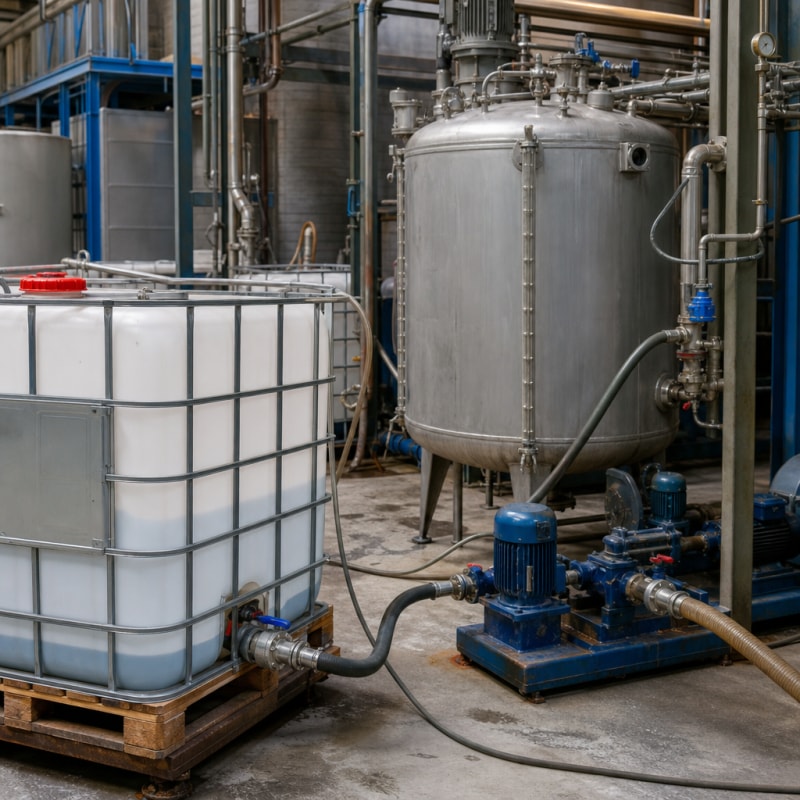
Corrosive. Dilution is strongly exothermic: add acid slowly to water with agitation and cooling. Use compatible tanks, pumps, and gaskets. Food-grade transfer lines must be hygienic and segregated from technical product. Keep the product in its designated storage zone and protect it from incompatible conditions. Personnel should know the location of washing facilities, spill equipment, and emergency contacts. Refer to the SDS for precise toxicological, firefighting, and transport information.
Packaging, Shipping, and Service
Supply is normally arranged in 35 kg carboys, 330 kg drums, IBCs, or isotank supply subject to grade and route. The quotation identifies net weight, palletization if any, Incoterm, lead time, and payment basis. COA and SDS are available as applicable; origin papers, legalized documents, or independent testing must be reviewed before order confirmation. Claims are handled against the contracted specification and preserved evidence.
The supplier can clarify available grades and reporting. Responsibility for recipe, installation, operating procedure, and lawful finished use stays with the buyer.