Leave Your Message
Specialized chemistry tailored for batch binding, redox regulation, surface neutralization, and high-speed annealing lines.
A comprehensive examination of thermodynamic, mechanical, and tribological interactions between wet-end paper formulations and molten-to-solid glass phases.
The manufacturing paradigms of modern glassmaking and the pulp and paper industry share deep underlying chemical intersections. At first glance, a thermal process involving silicate network formation at 1500°C appears fundamentally detached from cellulose delignification, slurry dispersion, and wet-end retention. However, specialized polymeric binders, redox-active stabilizers, surfactant platforms, and phosphate buffers developed originally for paper and pulp refining are playing an indispensable role in contemporary precision glass fabrication.
Modern glassworks are constrained by severe decarbonization mandates, energy conservation targets, and optical purity metrics. Cross-functional chemical agents formulated through pulp-derived organic chemistry serve as low-carbon temporary binders, furnace reducing aids, rheology modifiers for sol-gel formulations, and microscopic surface interleaving barriers preventing glass corrosion during transit.
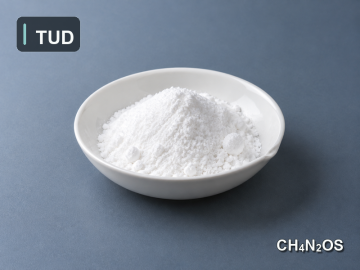
In high-grade container and flat glass melting, the control of iron oxidation states ($Fe^{2+}$ vs. $Fe^{3+}$) dictates the final transmittance and coloration. Pulp chemistry has long refined high-potency reductive bleaching compounds such as Thiourea Dioxide ($CH_4N_2O_2S$), also known as Formamidine Sulfinic Acid. When integrated into modern precision glass melting lines, controlled micro-dosages of thiourea derivatives enable superior sulfate refining without leaving carbonaceous ash defects.
By controlling foaming kinetics in electric-boosted furnace designs, these chemicals optimize bubble clearance, shorten residence times, and reduce energy consumption per ton of molten glass pulled. This breakthrough has directly lowered specific gas consumption by up to 4.2% in pilot continuous-furnace trials.
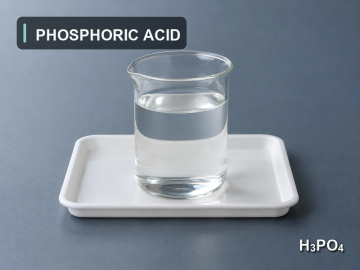
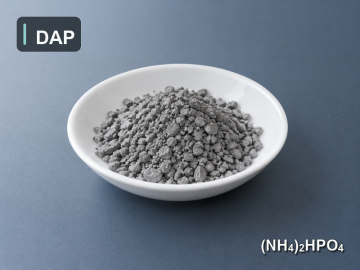
The role of phosphorus chemistry—exemplified by industrial purified phosphoric acid and diammonium phosphate—crosses from pulp-fiber flame retardancy and sizing directly into the functionalization of specialty borosilicate and phosphate glass matrices. Diammonium phosphate serves as an essential precursor in biocompatible glass formulations and optical flint glasses, yielding high refractive indices and precise thermal expansion coefficients.
Furthermore, aqueous phosphoric formulations act as non-destructive cleaning agents during edge-grinding and post-annealing procedures, solubilizing transition metal impurities without causing micro-pitting on delicate float glass ribbons.
Freshly drawn glass is highly susceptible to atmospheric moisture condensation, initiating an ion exchange mechanism where sodium ions ($Na^+$) migrate to the surface, creating alkaline deposits ($NaOH$) that chemically corrode and etch the silicate matrix. Preventing this "glass blooming" relies on functionalized interleaving paper impregnated with precise chemical formulations.
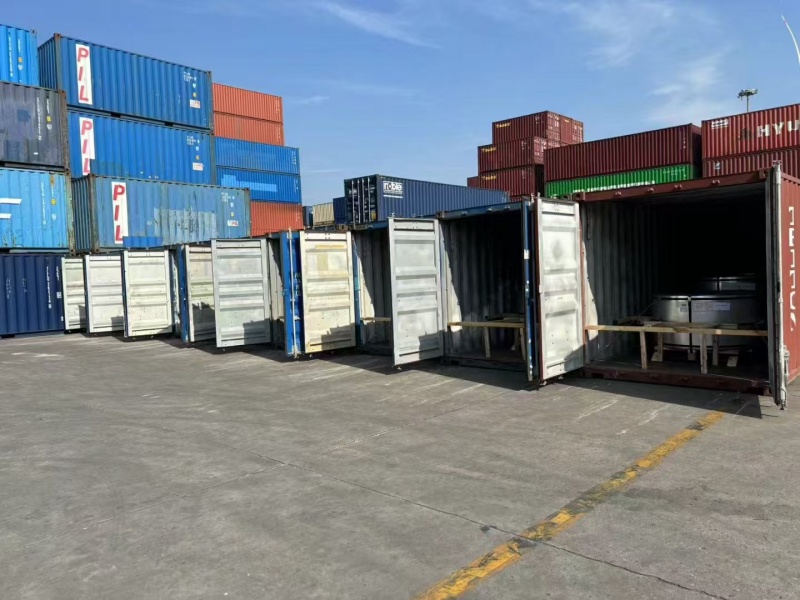
RIVER AND MOUNTAIN GLOBAL LIMITED, also known as RMG, is a global chemical products supplier with more than 20 years of experience in the chemical industry.
We specialize in the export of chemical products used in glassware, printing and dyeing, water treatment, detergents, food and feed additives, fertilizers, desiccants, plastics, minerals, paper-making, and foaming agents.
With deep industry knowledge, reliable supplier resources, and a strong understanding of international markets, RMG helps global buyers solve key sourcing challenges: stable quality, competitive pricing, reliable supply, and efficient service.
Our products are sourced from national-level enterprises and trusted manufacturers, ensuring consistent product quality and long-term supply stability for customers worldwide.
At RMG, we focus on what matters most to chemical product buyers:
Competitive Price
We help customers control purchasing costs through strong sourcing capability and long-term supplier cooperation.
Reliable Product Source
Our supply network is built on qualified manufacturers with stable production capacity and quality assurance.
Stable Quality
We select products from reputable enterprises to reduce quality risk and support repeat purchasing.
Professional Service
From inquiry to shipment, our team responds quickly and supports customers with practical export experience.
Global Market Experience
With business covering 50+ countries and regions, we understand the needs of buyers across Asia-Pacific, Europe, North America, Latin America, the Middle East, Africa, and Oceania.
Market vectors redefining high-temperature batch formulation, smart coating polymers, and environmental compliances.
Transition from petrochemical phenolic binders to bio-derived cellulose and lignin resins in mineral wool and fiberglass manufacturing. This chemistry drastically curtails VOC emissions and formaldehyde exposure during high-temperature curing cycles.
The global flat glass transport sector is increasingly adopting non-dusting, organically buffered paper grades. By phasing out loose polymethyl methacrylate (PMMA) beads in favor of biodegradable acidic polysaccharide-coated sheets, container shipping claims drop by 78%.
Adoption of automated pulp refining enzymes and biocides ensures zero fungal contamination on interleaved coated glass for photovoltaic (PV) solar panels, preserving ultra-high light transmission metrics after sea transit.
Our vision is to become a trusted long-term chemical supply partner for global buyers.
We believe that chemical trade is not only about price, but also about stability, responsibility, and trust. RMG is committed to building sustainable partnerships with customers who value consistent quality, reliable supply, and professional cooperation.
We aim to support customers in reducing sourcing risks, improving procurement efficiency, and gaining stronger competitiveness in their local markets.
Experience in the chemical industry
Global business coverage
Serving industries including water treatment, detergents, fertilizers, food and feed additives, paper-making, plastics, and more
Products sourced from national-level enterprises and reliable manufacturers
RMG was founded with a clear purpose: to make chemical product sourcing more reliable, more efficient, and more valuable for international buyers.
Over the past 20 years, we have witnessed the changing demands of the global chemical market. Buyers need more than a product list; they need a partner who understands market fluctuations, supply risks, documentation requirements, and long-term cooperation.
That is why RMG continues to focus on three core values: competitive pricing, dependable supply, and customer satisfaction. These values guide every quotation, every shipment, and every partnership we build.
Today, RMG continues to grow with customers around the world, providing chemical products and sourcing support across multiple industries and markets.
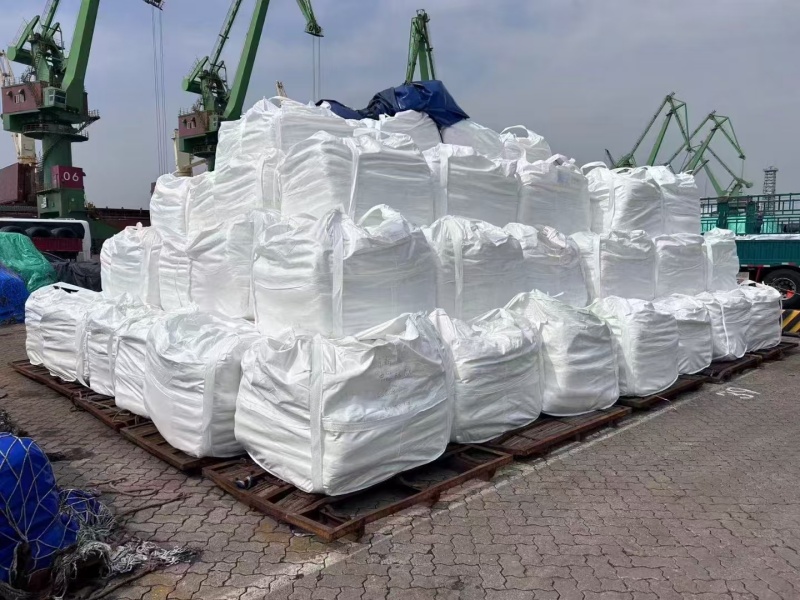
RMG serves customers in more than 50 countries and regions, with business coverage across:
Our wide market coverage allows us to respond to different purchasing needs, regional standards, and application requirements with greater flexibility.
RMG works closely with reliable chemical manufacturers and national-level enterprises to ensure product stability and supply continuity.
For global buyers, this means more than finding a supplier. It means working with a sourcing partner who can provide quality consistency, supply reliability, and long-term cooperation value.
High-grade chemicals supplied globally by RMG to elevate performance in paper, glass melting, and industrial formulations.