Leave Your Message
Explore our specialized bio-derived chemical compounds, buffering agents, and reductive processing components engineered to bridge forestry biorefining and surface-active synthesis.
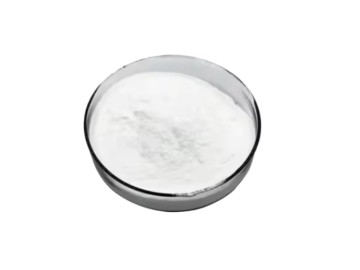
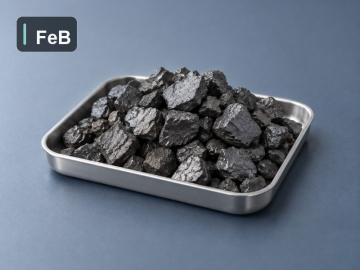
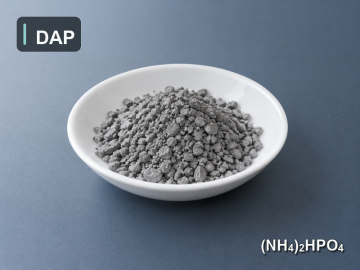
The global cleaning products sector is undergoing a profound paradigm shift driven by legislative decarbonization mandates, heightened consumer environmental consciousness, and the strategic urgency to replace petrochemical surfactants with high-performance bio-based alternatives. Historically considered distinct branches of industrial manufacturing, pulp and paper chemistry and detergent and soap production have fundamentally intersected. Modern wood fractioning, lignocellulose refining, and chemical recovery loops yield a sophisticated spectrum of functional molecules—ranging from cellulose derivatives and kraft lignosulfonates to tall oil fatty acids (TOFA) and specialized chelants.
In soap and detergent processing, cellulosic polymers derived from refined wood pulp serve as foundational rheology modifiers, anti-redeposition agents, and foam stabilizers. Concurrently, tall oil fatty acids derived from the alkaline kraft pulping process represent one of the most cost-effective and chemically versatile feedstocks for producing potassium soaps, heavy-duty industrial degreasers, and wetting formulations. By leveraging refined co-products from pulp chemical streams, detergent formulators successfully reduce raw material carbon footprints while achieving equivalent or superior interfacial surface tension reduction, enzyme stabilization, and particulate suspension.
Integrating pulp-derived chemical streams into modern synthetic detergents reduces cradle-to-gate carbon emissions by up to 38% compared to conventional alkylbenzene sulfonates and synthetic polycarboxylates. This biotechnical cross-over transforms forestry side-streams into indispensable formulation matrices.
Purified chemical wood pulp serves as the fundamental raw precursor for sodium carboxymethyl cellulose (CMC). In automated laundry powders and liquids, anionic CMC absorbs negatively charged particulate soil and fabric fibrils simultaneously, generating an electrostatic repulsion barrier that prevents suspended grease, soot, and clay from redepositing during the wash cycle.
Recovered as a valuable by-product of softwood kraft pulping, crude tall oil is fractionated into high-purity TOFA. Rich in oleic and linoleic fatty acids, TOFA forms exceptionally soluble liquid soaps with outstanding low-temperature clarity, rapid foaming kinetics, and potent cleaning power tailored for commercial textile scouring and vehicle detergents.
Sulfite pulping liquor recovery yields modified sodium and calcium lignosulfonates. In detergent manufacturing, highly sulfonated lignin polymers function as cost-effective non-phosphate dispersants, keeping mineral salts dispersed in hard water and neutralizing scale formation on heating coils and fabric matrices.
Modern concentrated liquid detergents rely heavily on multicomponent enzymatic complexes (proteases, amylases, lipases, and cellulases) to digest organic stains at ambient temperatures (20°C–30°C). Wood-derived polyols, microfibrillated cellulose (MFC), and buffered salts provide a protective hydration shell that prevents thermal denaturation and premature proteolytic degradation in aqueous systems.
Furthermore, microfibrillated cellulose operates as an advanced pseudoplastic shear-thinning rheological network. It suspends encapsulated fragrances, visual speckles, and dense abrasives indefinitely under zero-shear storage while providing effortless pouring and instant dissolution upon dilution.
Industrial soap manufacturing requires strict control of multivalent metal cations (such as iron, calcium, and magnesium). Residual trace heavy metals act as oxidation catalysts, inducing rancidity in natural vegetable fats, generating rancid odors, and causing yellow discoloration over shelf lifespans.
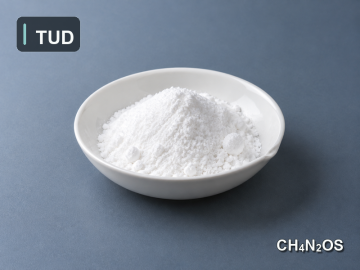
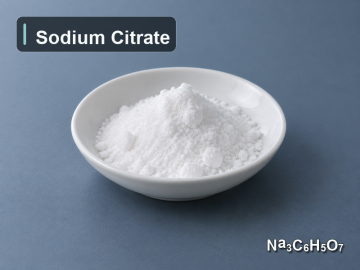
Chemical auxiliaries such as sodium citrate, phosphonates, and reductive stabilizers like thiourea dioxide—originally designed to optimize optical brightness and eliminate metal-induced degradation during mechanical pulp deinking—perform parallel functions in soap saponification kettles and concentrated detergent bleaching stages, ensuring color purity and peroxide retention.
International environmental regulations ban synthetic polymer exfoliating microbeads in abrasive hand soaps and mechanical scrubbing formulations. Highly crystalline microcrystalline cellulose (MCC) and spherical cellulose granules derived from dissolving pulp provide non-scratching, fully biodegradable mechanical cleaning efficacy.
Hydrolyzed hardwood hemicellulose and cellulosic sugars are catalyzed with fatty alcohols to manufacture ultra-mild non-ionic APG surfactants. These exhibit ultra-low dermal irritation, instantaneous biodegradability, and superior foam stability even in the presence of sebum.
The boom in laundry detergent sheets leverages water-soluble cellulosic fiber carrier webs. High-tensile pulp chemistry allows ultra-thin, highly absorbent substrate manufacturing that dissolves in under 15 seconds in cold wash cycles without leaving insoluble polymer residue.
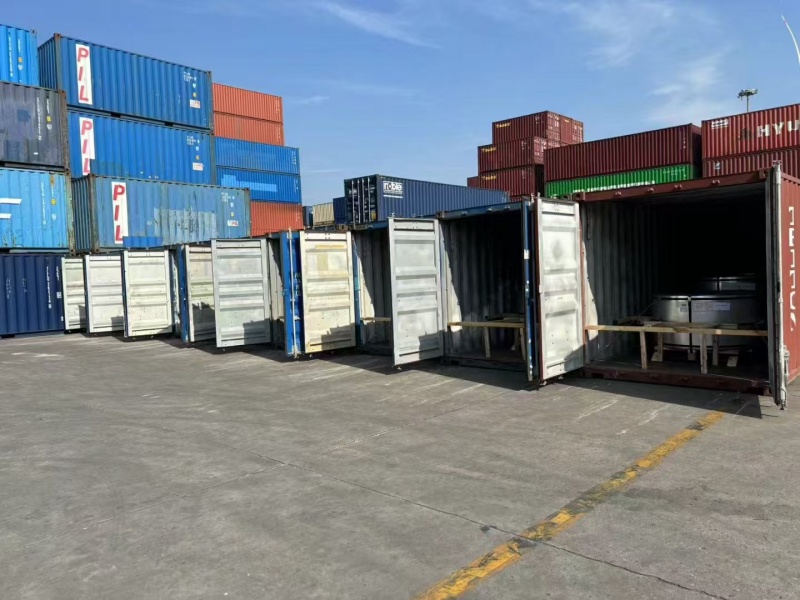
RIVER AND MOUNTAIN GLOBAL LIMITED, also known as RMG, is a global chemical products supplier with more than 20 years of experience in the chemical industry.
We specialize in the export of chemical products used in glassware, printing and dyeing, water treatment, detergents, food and feed additives, fertilizers, desiccants, plastics, minerals, paper-making, and foaming agents.
With deep industry knowledge, reliable supplier resources, and a strong understanding of international markets, RMG helps global buyers solve key sourcing challenges: stable quality, competitive pricing, reliable supply, and efficient service.
Our products are sourced from national-level enterprises and trusted manufacturers, ensuring consistent product quality and long-term supply stability for customers worldwide.
At RMG, we focus on what matters most to chemical product buyers:
We help customers control purchasing costs through strong sourcing capability and long-term supplier cooperation.
Our supply network is built on qualified manufacturers with stable production capacity and quality assurance.
We select products from reputable enterprises to reduce quality risk and support repeat purchasing.
From inquiry to shipment, our team responds quickly and supports customers with practical export experience.
With business covering 50+ countries and regions, we understand the needs of buyers across all continents.
Our vision is to become a trusted long-term chemical supply partner for global buyers.
We believe that chemical trade is not only about price, but also about stability, responsibility, and trust. RMG is committed to building sustainable partnerships with customers who value consistent quality, reliable supply, and professional cooperation.
We aim to support customers in reducing sourcing risks, improving procurement efficiency, and gaining stronger competitiveness in their local markets.
Experience in the chemical industry
Global business coverage
Serving industries including water treatment, detergents, fertilizers, food and feed additives, paper-making, plastics, and more
Products sourced from national-level enterprises and reliable manufacturers
RMG was founded with a clear purpose: to make chemical product sourcing more reliable, more efficient, and more valuable for international buyers.
Over the past 20 years, we have witnessed the changing demands of the global chemical market. Buyers need more than a product list; they need a partner who understands market fluctuations, supply risks, documentation requirements, and long-term cooperation.
That is why RMG continues to focus on three core values: competitive pricing, dependable supply, and customer satisfaction. These values guide every quotation, every shipment, and every partnership we build.
Today, RMG continues to grow with customers around the world, providing chemical products and sourcing support across multiple industries and markets.
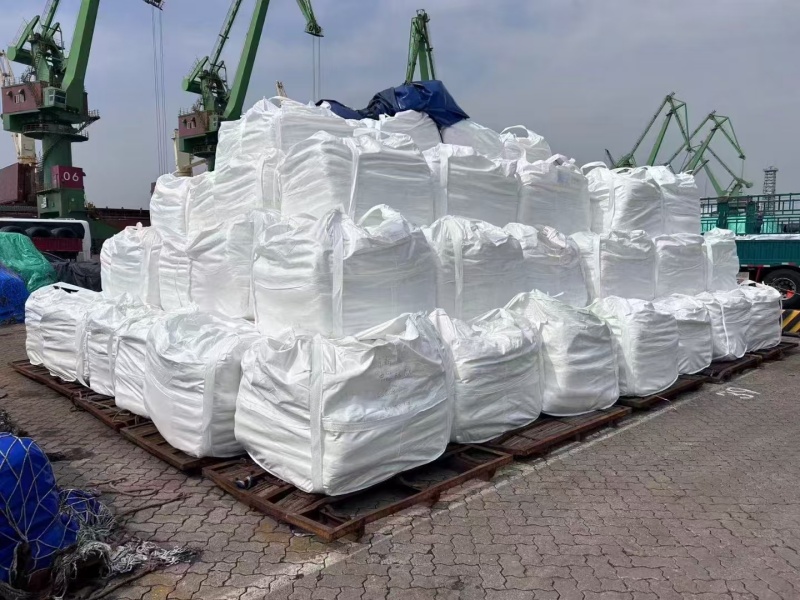
RMG serves customers in more than 50 countries and regions. Our wide market coverage allows us to respond to different purchasing needs, regional standards, and application requirements with greater flexibility.
RMG works closely with reliable chemical manufacturers and national-level enterprises to ensure product stability and supply continuity.
For global buyers, this means more than finding a supplier. It means working with a sourcing partner who can provide quality consistency, supply reliability, and long-term cooperation value.
Explore our complete line of industrial, paper-making, metallurgical, and detergent formulation chemical raw materials guaranteed for cross-continental delivery.