
Leave Your Message
Engineered chemicals serving the dual imperatives of industrial papermaking optimization and agricultural fertilizer enrichment.
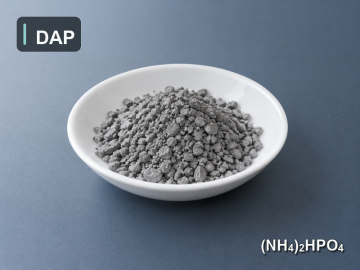
Vital compound delivering water-soluble phosphorus and ammoniacal nitrogen, crucial for root initiation, cellular energy transfer (ATP), and industrial pulp chemistry buffering.
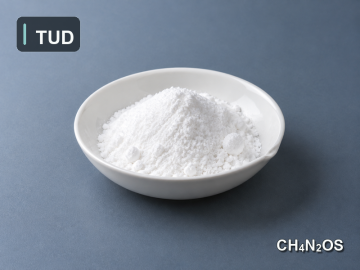
Stable organic redox compound offering high thermal resistance and environmentally safe decomposition, extensively used in deinking and specialized agricultural micronutrient chelation.
High-purity soluble grade designed for rapid absorption in commercial forestry nurseries, oil palm estates, and large-scale industrial plantations needing accelerated biomass accretion.
Eco-friendly reducing chemical that avoids toxic sodium hydrosulfite effluents, facilitating sustainable bleaching circuits and progressive organic-mineral fertilizer stabilization protocols.
An exhaustive analysis of PT OKI Pulp & Paper's industrial ecosystem, chemical co-products, and circular agronomic resource loops.
The convergence of modern forestry-based manufacturing complexes and industrial agro-chemical engineering represents one of the most promising frontiers in sustainable manufacturing and resource recovery. In South Sumatra, Indonesia, PT OKI Pulp & Paper Mills operates as one of the world's most sophisticated and highest-capacity pulp and tissue manufacturing sites. Spanning hundreds of hectares, this ultra-scale integrated facility utilizes state-of-the-art chemical recovery systems, multi-fuel power complexes, and comprehensive wastewater treatment installations. Beyond high-brightness kraft pulp and premium paper packaging, the complex chemical cycles of mega-scale pulp mills present immense synergies with agricultural fertilizer application, soil amendment manufacturing, and systemic nutrient circulation.
Strategic Industrial Synergies: By capitalizing on concentrated mineral residues, chemical buffering agents like Diammonium Phosphate (DAP), and sulfur-reduced organic compounds, large chemical pulp manufacturing units facilitate circular bio-economy loops. These processes transform traditional industrial byproducts into high-value organo-mineral agronomic conditioners that revitalize acidic, leached tropical soils.
Located in the Ogan Komering Ilir Regency, PT OKI Pulp & Paper utilizes extensive Acacia and Eucalyptus plantations cultivated on lowland and peatland terrains. The sheer scale of raw material throughput requires rigorous chemical inputs and outputs, spanning kraft cooking processes, bleaching loops with chlorine dioxide and oxygen delignification, and massive steam recovery boilers. In this high-intensity chemical environment, the management of elements such as nitrogen (N), phosphorus (P), potassium (K), calcium (Ca), magnesium (Mg), and sulfur (S) is not merely an environmental obligation; it forms a core economic driver.
In Southeast Asia's agricultural belt, surrounding farming communities and commercial plantations (such as Elaeis guineensis / oil palm and rubber) face escalating challenges: soil acidification, rapid phosphorus fixation in tropical Ultisols and Oxisols, and rising import costs for synthetic fertilizers. The cross-industrial valorization of chemical streams from pulp facilities directly into commercial agronomy resolves both industrial byproduct disposal issues and agricultural input deficits.
The chemical profile of inputs and coproducts at modern facilities like OKI exhibits extraordinary synergy with modern multi-nutrient fertilizer formulation:
Diammonium Phosphate [(NH4)2HPO4] is indispensable in both pulp mill operational cycles and commercial agriculture. Within pulp mills, DAP serves as a precision macronutrient dosed into advanced activated sludge biological effluent systems. Microorganisms require an optimal carbon-to-nitrogen-to-phosphorus (BOD:N:P) balance to consume wood-derived organic compounds. Excess or purified recovery streams containing concentrated phosphate can be transformed into specialized compound granular fertilizers. In direct crop nutrition, DAP delivers an ideal 18-46-0 ratio: 18% ammoniacal nitrogen that resists leaching and 46% water-soluble phosphate that fuels early vegetative vigor, root proliferation, and cellular energy synthesis.
As modern papermaking turns toward high-efficiency brightening agents, Thiourea Dioxide [CH4N2O2S] has replaced older, more polluting sulfides and hydrosulfites. In agricultural applications, sulfur chemistry plays a crucial role in chlorophyll formation and protein synthesis. Highly controlled redox compounds assist in specialty micronutrient chelation (such as reducing insoluble ferric iron Fe3+ to bioavailable ferrous iron Fe2+ in high-pH or compacted subsoils), while preventing oxidation of active organic catalysts in organo-mineral liquid blends.
During the kraft causticizing cycle, lime mud (predominantly precipitated CaCO3) is produced. While the majority is recycled in lime kilns, conditioned surplus lime mud serves as an ultra-fine, highly reactive agricultural liming agent. With neutralizing values comparable to commercial calcitic limestone, this fine particulate reacts significantly faster in low-pH soils, neutralizing active aluminum and manganese toxicity and freeing fixed phosphorus for commercial crop absorption.
The combustion of bark, wood residues, and black liquor generates substantial quantities of boiler fly ash and bottom dregs rich in potassium oxide (K2O), calcium, magnesium, and trace micronutrients like zinc (Zn) and boron (B). When stabilized, these alkaline ash residues can be blended with synthetic DAP and urea to produce customized slow-release organo-mineral fertilizers specifically tailored for regional cash crops.
The coming decade will see the integration of digital analytics, automated soil mapping, and machine learning into industrial agro-forestry. By utilizing algorithmic data processing, fertilizer formulations derived from pulp mill coproducts can be precision-tailored to real-time soil nutrient deficiencies. Furthermore, stringent environmental mandates worldwide are pushing manufacturing conglomerates toward Net-Zero carbon thresholds. Utilizing pulp-derived lignosulfonates as natural chelating agents and coating matrices for granular DAP drastically reduces nutrient runoff into aquatic watersheds, minimizing eutrophication risks and lowering greenhouse gas emissions (N2O) from agricultural fields.
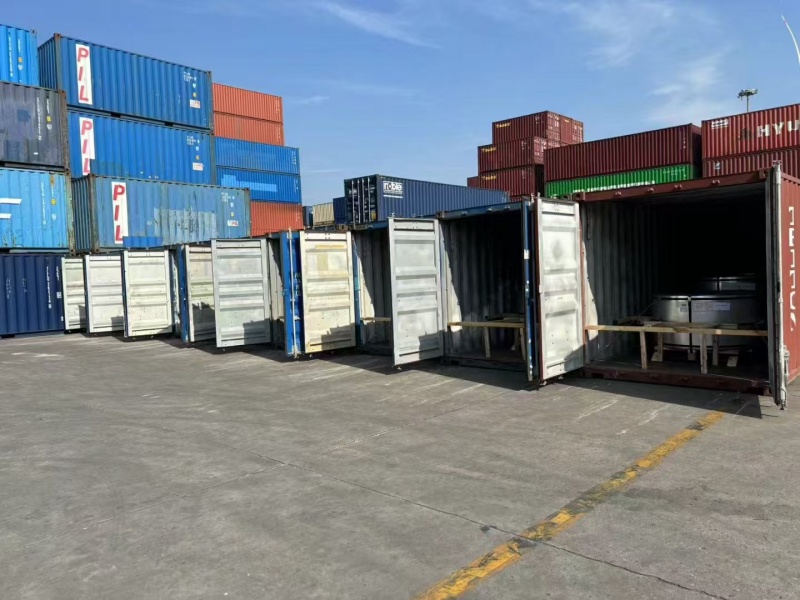
RIVER AND MOUNTAIN GLOBAL LIMITED, also known as RMG, is a global chemical products supplier with more than 20 years of experience in the chemical industry.
We specialize in the export of chemical products used in glassware, printing and dyeing, water treatment, detergents, food and feed additives, fertilizers, desiccants, plastics, minerals, paper-making, and foaming agents.
With deep industry knowledge, reliable supplier resources, and a strong understanding of international markets, RMG helps global buyers solve key sourcing challenges: stable quality, competitive pricing, reliable supply, and efficient service.
Our products are sourced from national-level enterprises and trusted manufacturers, ensuring consistent product quality and long-term supply stability for customers worldwide.
At RMG, we focus on what matters most to chemical product buyers:
Competitive Price
We help customers control purchasing costs through strong sourcing capability and long-term supplier cooperation.
Reliable Product Source
Our supply network is built on qualified manufacturers with stable production capacity and quality assurance.
Stable Quality
We select products from reputable enterprises to reduce quality risk and support repeat purchasing.
Professional Service
From inquiry to shipment, our team responds quickly and supports customers with practical export experience.
Global Market Experience
With business covering 50+ countries and regions, we understand the needs of buyers across Asia-Pacific, Europe, North America, Latin America, the Middle East, Africa, and Oceania.
Our vision is to become a trusted long-term chemical supply partner for global buyers.
We believe that chemical trade is not only about price, but also about stability, responsibility, and trust. RMG is committed to building sustainable partnerships with customers who value consistent quality, reliable supply, and professional cooperation.
We aim to support customers in reducing sourcing risks, improving procurement efficiency, and gaining stronger competitiveness in their local markets.
Experience in the chemical industry
Global business coverage
Serving industries including water treatment, detergents, fertilizers, food and feed additives, paper-making, plastics, and more
Products sourced from national-level enterprises and reliable manufacturers
RMG was founded with a clear purpose: to make chemical product sourcing more reliable, more efficient, and more valuable for international buyers.
Over the past 20 years, we have witnessed the changing demands of the global chemical market. Buyers need more than a product list; they need a partner who understands market fluctuations, supply risks, documentation requirements, and long-term cooperation.
That is why RMG continues to focus on three core values: competitive pricing, dependable supply, and customer satisfaction. These values guide every quotation, every shipment, and every partnership we build.
Today, RMG continues to grow with customers around the world, providing chemical products and sourcing support across multiple industries and markets.
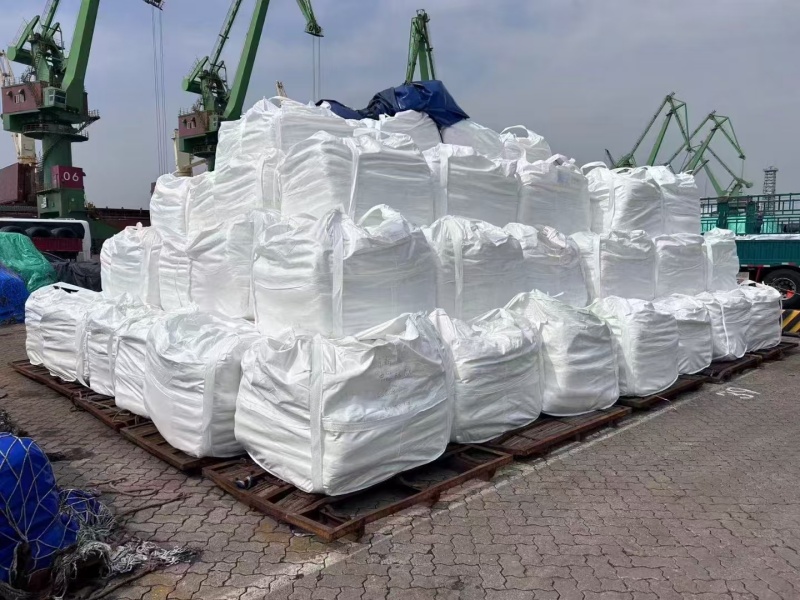
RMG serves customers in more than 50 countries and regions, with comprehensive business coverage across major continental trade lanes.
Our wide market coverage allows us to respond to different purchasing needs, regional standards, and application requirements with greater flexibility.
How RMG bridges high-grade technical chemical production and farm-gate agrochemical efficiency.
In evaluating the dynamic trade lanes between major pulp production clusters such as PT OKI in Sumatra and agricultural markets across the Asia-Pacific, Latin America, and Africa, chemical buyers encounter acute supply chain volatility. Fluctuations in ammonia feedstocks, sulfur refining, phosphate rock pricing, and oceanic freight necessitate an experienced export and quality-assurance partner. RMG acts as an indispensable link in this value chain.
Exporting chemical materials intended for both high-precision paper manufacturing and high-yield agricultural soils demands zero defect tolerance. For instance, when supplying Diammonium Phosphate (DAP), moisture control is crucial; excess ambient moisture during maritime transit causes caking, reduces free-flowing properties for mechanical drill-seeders, and triggers premature ammoniacal volatilization. RMG implements rigorous multi-tier testing protocols, verifying particle sizing (typically 2-4 mm granules for agro-broadcasting or micro-prills for industrial dissolvers), P2O5 total content, water-soluble P2O5 percentages, and strict heavy metal thresholds (arsenic, lead, cadmium) ensuring environmental compliance with international agricultural standards.
Intensive farming in proximity to major pulp and paper ecosystems often grapples with fragile peat soils and highly weathered red-yellow podzolic soils. These terrains require tailored chemical treatments:
RMG works closely with reliable chemical manufacturers and national-level enterprises to ensure product stability and supply continuity.
For global buyers, this means more than finding a supplier. It means working with a sourcing partner who can provide quality consistency, supply reliability, and long-term cooperation value.
Explore our complete lineup of chemical inputs optimized for agricultural fertilizer manufacturing, pulp processing, and industrial soil applications.
The gold standard for phosphorus and nitrogen delivery, supporting vigorous root systems and uniform vegetative establishment.
Premier reducing chemical delivering superior safety, non-toxic emissions, and precise redox potential for agricultural synthesis.
Specially processed low-insoluble phosphate formulated for modern drip-irrigation networks, pivot rigs, and greenhouse systems.
Engineered for specialized organic soil conditioners and efficient secondary fiber brightening with low environmental burden.
Critical bacterial nutrient for aerated lagoons in pulp plants and key base stock for high-analysis dry fertilizer bulk-blending.
Formulated with protective anti-degradation additives for extended shelf life during long-distance maritime container shipments.
Uniform grain strength and anti-caking coating engineered specifically for humid equatorial plantation crops such as oil palm, tea, and sugarcane.
Essential high-potency reducing compound utilized across fine agrochemical production, textile processing, and chemical paper bleaching lines.