

Multi Grade Lysine for Nutrition and Fermentation
Product Attributes
| Attribute | Selection Reference |
| Product | Lysine |
| Grade coverage | Food grade / feed grade / industry grade; base or salt specified |
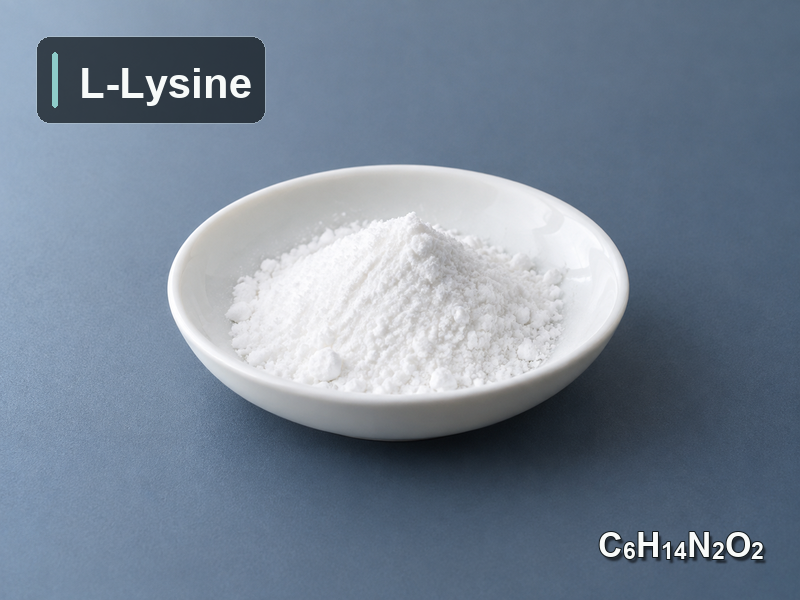
| Chemical identity | C6H14N2O2 for L-lysine; HCl or sulfate forms available |
| Typical appearance | white to light-brown powder or granule depending on grade and salt |
| Main specification points | Lysine assay; moisture; specific rotation; pH; ash; chloride/sulfate; microbiology |
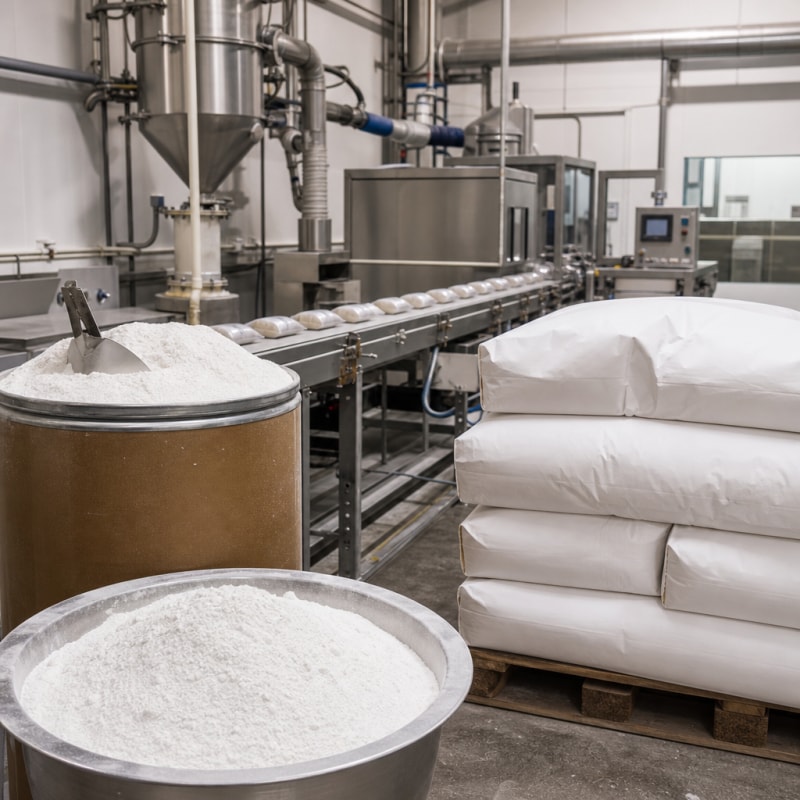
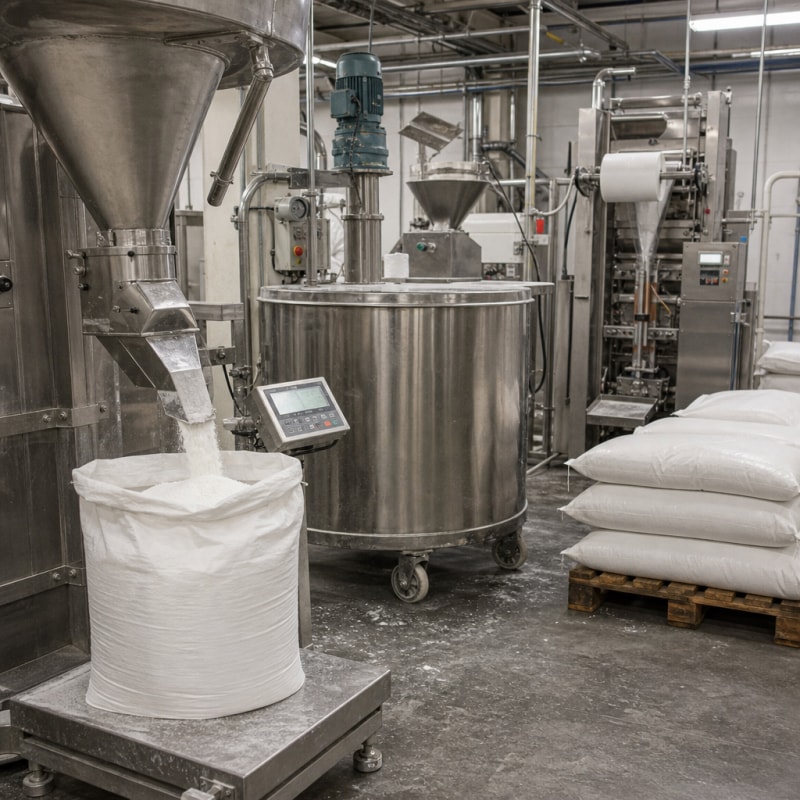
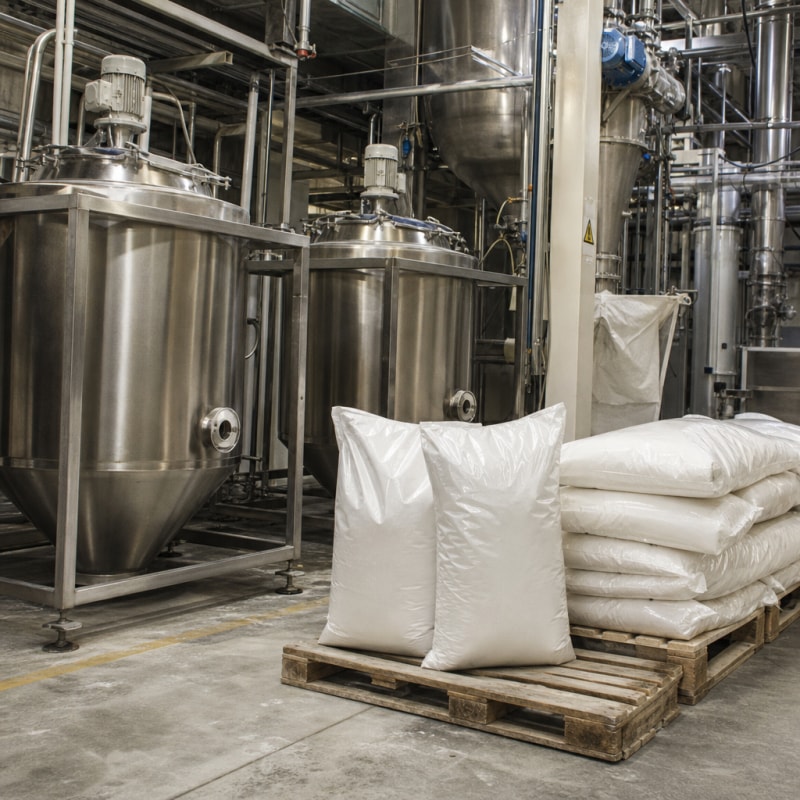
| Packing options | 20 kg or 25 kg lined bags; palletized, stretch-wrapped export presentation available |
Specification note: Values are intentionally not generalized across grades. The signed technical agreement controls the supplied lot.
Product Description
For processes where raw-material variation quickly becomes lost yield, Lysine offers a controlled and traceable input. The contracted grade is Food grade / feed grade / industry grade; base or salt specified, with a normal appearance of white to light-brown powder or granule depending on grade and salt. Specification selection starts with the intended use, then narrows the critical chemistry and physical properties that influence storage, dosage, reaction rate, and finished-product acceptance.
Material Profile and Production
At production scale, the material is obtained by carbohydrate fermentation is followed by separation, purification, concentration, salt formation where required, crystallization, drying, and screening. Intermediate checks guide the timing of separation and finishing. After the product reaches its required form, it is protected from conditions that could change its moisture, chemistry, or appearance. Pack labels preserve the link between the sale unit and its release data.
Key Applications and Process Value
Commercial uses span amino-acid fortification, dietary preparations, animal-feed balancing, fermentation media, cell-culture or biochemical processes, and industrial synthesis. Selection should connect a measurable product attribute with a process outcome—for example flow, reaction speed, color, purity, separation, or finished strength. Our supply team can exchange specification and logistics information, but formulation approval and safe operating limits remain with the user’s qualified technical staff.
The best grade is the one that meets the process outcome at a sustainable total cost. Trial plans should therefore capture dosage, labor, rejects, filtration or cleaning load, energy demand, and final quality—not merely the purchase price per tonne.
Quality Assurance and Buyer Qualification
Routine approval focuses on chemical form, lysine assay, moisture, optical rotation, pH, ash, counter-ion, color, grade-specific impurities, and microbiological parameters. The release decision also verifies package identity and condition. A sample COA can be used to align parameter names and units, but it does not replace the signed specification governing the actual order.
Safe Handling and Storage
Select grade and chemical form by application. Feed and food permissions, dosage, labeling, and documentation differ. Keep dry and use first-in-first-out stock rotation to limit caking and color change. Transfer equipment and containers must be compatible with the ordered grade. Inspect damaged packs before movement, keep incompatible materials separated, and train operators to follow the SDS and local occupational rules during sampling, charging, housekeeping, and waste collection.
Packaging, Shipping, and Service
Commercial presentation can be selected from 20 kg or 25 kg lined bags; palletized, stretch-wrapped export presentation available. A pre-shipment plan reconciles ordered quantity, lot marks, labels, and transport requirements. Standard paperwork may include invoice, packing list, COA, and SDS. Any certificate of conformity, inspection, or destination registration is subject to availability and prior written agreement.
Product data can support screening and sample selection, while the receiving organization controls formulation, operating limits, and market authorization.