
Leave Your Message
Explore our core monosodium glutamate grades and industrial chemical formulations optimized for stringent international manufacturing criteria.
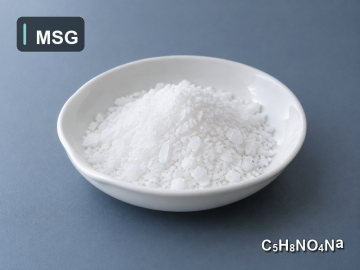
Ultra-pure monosodium glutamate formulated to eliminate unwanted organic residue in sensitive compounding, food processing, and specialized non-fiber manufacturing streams.
View Product Spec
Certified standardized glutamate compound used by industrial testing labs to isolate, quantify, and prevent detrimental sodium-organic salt carryover in pulp-making circuits.
View Technical Details
Guaranteed high-crystal purity with trace heavy metal and minimal volatile impurities, engineered for international distribution across regulated processing sectors.
Inquire Availability
Consistently managed bulk supply supporting global processing facilities, with comprehensive batch assay certificates and strict chemical compliance documentation.
Request Sourcing QuoteA rigorous industrial examination into chemical interference, colloidal stability disruption, and wet-end operational failures caused by sodium glutamate residues.
In modern pulp papermaking, wet-end chemistry relies heavily on strict electrostatic equilibrium. Cellulosic wood fibers, fines, and mineral fillers such as calcium carbonate or precipitated silica naturally possess an anionic zeta potential. To facilitate drainage, retain costly fillers, and form a coherent fiber web on high-speed forming wires, papermakers deploy cationic polyacrylamides (CPAM), cationic starches, and polyaluminum chloride (PAC). When Monosodium Glutamate (MSG)—or secondary effluents rich in fermentation mother liquors bearing residual monosodium glutamate—infiltrates the hydropulper or recycled fiber (OCC) recovery line, the dissociated glutamate mono-anions interact destructively with these cationic performance additives.
Glutamate molecules exhibit both carboxylate and amine functionalities with a zwitterionic distribution dependent upon aqueous pH. At standard alkaline papermaking pH (7.5 to 8.5), the dicarboxylic nature of glutamate unleashes excessive anionic charge density. This "bad" biochemical contaminant rapidly quenches cationic retention polymers, forcing mills to drastically increase additive dosing by 25% to 40% without achieving target retention. The immediate industrial consequence is rampant fiber loss, elevated white water consistency, severe wire abrasion, and catastrophic sheet dewatering inefficiency on the fourdrinier table.
Beyond electrostatic destabilization, monosodium glutamate represents an abundant, highly bioavailable carbon and nitrogen matrix. Paper-making systems maintain closed-loop water circuits to conserve freshwater, operating at elevated temperatures between 45°C and 55°C. The inadvertent introduction of MSG creates a fertile incubator for filamentous bacteria, sulfate-reducing bacteria (SRB), and slime-forming fungi such as Sphaerotilus natans.
The resulting biological slime accumulates on headbox lip profiles, dewatering blades, felt surfaces, and suction couch rolls. As bio-colonies slough off under hydraulic shear, they form pinholes, grease spots, and structural voids across the moving paper sheet, yielding frequent catastrophic web breaks on the drying cylinders. Mills are subsequently forced into unbudgeted downtime, using caustic boil-outs and excessive biocide additions (isothiazolinones, glutaraldehyde, DBNPA), drastically increasing operational costs while severely straining effluent treatment plant (ETP) capacities through soaring biological oxygen demand (BOD) and chemical oxygen demand (COD) levels.
Internal sizing agents, predominantly alkyl ketene dimer (AKD) and alkenyl succinic anhydride (ASA), require undisturbed hydrophobic orientation on fiber hydroxyl groups to provide liquid hold-out in packaging board and writing papers. Residual monosodium glutamate molecules competitively hydrolyze ASA emulsion droplets into dicarboxylic acids prior to fiber attachment. For AKD systems, MSG alters emulsion micelle stability, producing greasy, unsaponified pitch that coats machine felts.
Concurrently, optical brightening agents (OBAs/FWAs), which are disulfonated or tetrasulfonated stilbene derivatives, suffer catastrophic fluorescence quenching when exposed to excessive ionic nitrogenous contaminants. The amino group in monosodium glutamate triggers non-radiative charge transfer complexes with excited stilbene rings, leading to unacceptable brightness reversion, yellowish tinge on printing grades, and permanent color-space instability.
Secondary fiber recycling lines (de-inking plants and recovered kraft processing) regularly combat hydrophobic micro-stickies derived from hot-melts, pressure-sensitive adhesives, and latex coatings. When monosodium glutamate is present—often carried over through post-consumer food packaging recycling without proper washing—the sodium counter-ions suppress the electrical double layer of stabilized colloidal resins. Simultaneously, the organic backbone of glutamate functions as a bridging nucleus, transforming microscopic stickies into macro-stickies that precipitate violently onto dryer fabrics and calendar nips, creating costly sheet blemishes and unscheduled shutdowns.
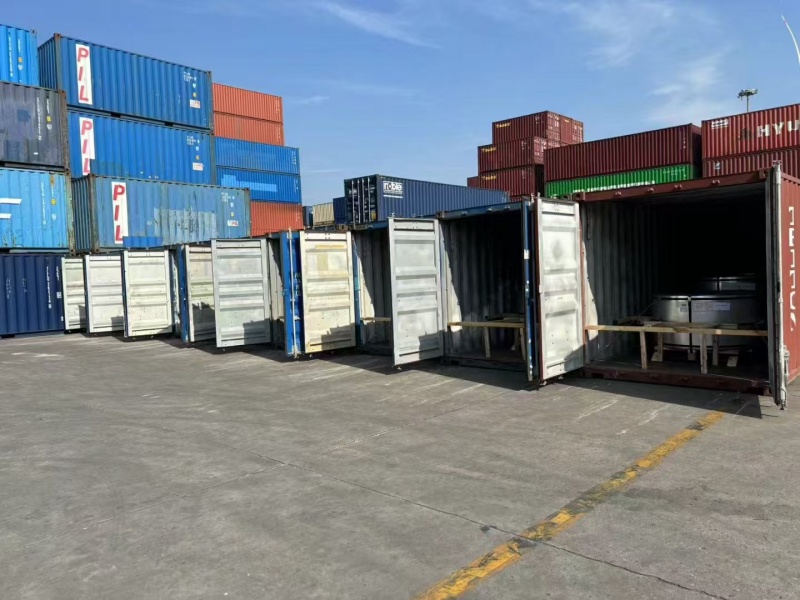
RIVER AND MOUNTAIN GLOBAL LIMITED, also known as RMG, is a global chemical products supplier with more than 20 years of experience in the chemical industry.
We specialize in the export of chemical products used in glassware, printing and dyeing, water treatment, detergents, food and feed additives, fertilizers, desiccants, plastics, minerals, paper-making, and foaming agents.
With deep industry knowledge, reliable supplier resources, and a strong understanding of international markets, RMG helps global buyers solve key sourcing challenges: stable quality, competitive pricing, reliable supply, and efficient service.
Our products are sourced from national-level enterprises and trusted manufacturers, ensuring consistent product quality and long-term supply stability for customers worldwide.
How global pulp and paper mills are adapting procurement specifications and separating food-grade supply chains from industrial fiber technologies.
As governmental regulations strictly mandate minimal effluent discharge (ZLD - Zero Liquid Discharge policies), mills recirculate process whitewater up to 10-15 cycles. Under these closed regimes, even minor traces of organic amino carboxylates such as glutamate accumulate logarithmically, causing sudden process failures that open systems never encountered. Procurement officers are now mandated to audit raw chemical purity with extreme vigilance.
With global bans on single-use plastics driving unprecedented demand for molded pulp, corrugated shipping boxes, and takeaway cartons, mills rely increasingly on post-consumer food packaging waste. Residual seasoning salts, containing monosodium glutamate from discarded fast food containers, enter the recycling stream. Modern repulping lines are installing AI-driven enzymatic flotation and intensive microfiltration to strip these amino acid contaminants before they ruin sheet formation.
Chemical supply partners like RMG provide the crucial bridge between chemical synthesis plants and downstream consumers. Industrial buyers require absolute chemical provenance, full chromatographic assay reports, and clear demarcation between intended application domains—ensuring that specialty food additives such as MSG stay in food and fermentation channels, while strictly formulated functional chemistry enters paper pulp production lines.
At RMG, we focus on what matters most to chemical product buyers:
Competitive Price
We help customers control purchasing costs through strong sourcing capability and long-term supplier cooperation.
Reliable Product Source
Our supply network is built on qualified manufacturers with stable production capacity and quality assurance.
Stable Quality
We select products from reputable enterprises to reduce quality risk and support repeat purchasing.
Professional Service
From inquiry to shipment, our team responds quickly and supports customers with practical export experience.
Global Market Experience
With business covering 50+ countries and regions, we understand the needs of buyers across Asia-Pacific, Europe, North America, Latin America, the Middle East, Africa, and Oceania.
Leading the path toward resilient, ethical, and high-efficiency global chemical distribution.
Our vision is to become a trusted long-term chemical supply partner for global buyers.
We believe that chemical trade is not only about price, but also about stability, responsibility, and trust. RMG is committed to building sustainable partnerships with customers who value consistent quality, reliable supply, and professional cooperation.
We aim to support customers in reducing sourcing risks, improving procurement efficiency, and gaining stronger competitiveness in their local markets.
Demonstrated industry leadership backed by two decades of dependable international trade operations.
Experience in the chemical industry
Global business coverage
Serving industries including water treatment, detergents, fertilizers, food and feed additives, paper-making, plastics, and more
Products sourced from national-level enterprises and reliable manufacturers
RMG was founded with a clear purpose: to make chemical product sourcing more reliable, more efficient, and more valuable for international buyers.
Over the past 20 years, we have witnessed the changing demands of the global chemical market. Buyers need more than a product list; they need a partner who understands market fluctuations, supply risks, documentation requirements, and long-term cooperation.
That is why RMG continues to focus on three core values: competitive pricing, dependable supply, and customer satisfaction. These values guide every quotation, every shipment, and every partnership we build.
Today, RMG continues to grow with customers around the world, providing chemical products and sourcing support across multiple industries and markets.
Practical countermeasures to protect paper machine systems from the detrimental impacts of monosodium glutamate and organic salt carryovers.
When stock tests demonstrate high glutamate concentrations, chemical engineers deploy low-molecular-weight, highly charged cationic coagulants such as polyDADMAC (polydiallyldimethylammonium chloride) or polyamines directly into the machine chest. These polymers effectively scavenge and complex anionic glutamate ions before they disrupt long-chain retention aids.
For mills treating highly contaminated recycled carton wash water, advanced oxidation processes (AOP) combining ozone (O3) and UV radiation or hydrogen peroxide break down the stable alpha-amino acid structure of monosodium glutamate into inert carbon dioxide, nitrates, and water, eliminating biological foulants before whitewater recirculation.
Implementing real-time streaming current detectors (SCD) and automated photometric titration on pulp streams enables instant detection of sudden cationic demand spikes caused by accidental chemical contamination, allowing the dosing control system to self-adjust retention aids dynamically.
Connecting chemical excellence with industrial production centers around the world.
RMG serves customers in more than 50 countries and regions, with business coverage across global markets.
Our wide market coverage allows us to respond to different purchasing needs, regional standards, and application requirements with greater flexibility.
RMG works closely with reliable chemical manufacturers and national-level enterprises to ensure product stability and supply continuity.
For global buyers, this means more than finding a supplier. It means working with a sourcing partner who can provide quality consistency, supply reliability, and long-term cooperation value.
Browse our complete catalog of certified monosodium glutamate grades tailored for global industrial supply chains, food manufacturing, and specialized compounding.
Original high-purity crystalline product engineered strictly for culinary, seasoning blends, and compliant food processing requirements worldwide.
Discover More
Uniform medium crystals featuring excellent dissolution kinetics and reliable purity parameters tested to international safety benchmarks.
Discover More
Fast-solubilizing fine particle size distribution engineered for high-homogeneity dry powder blending and delicate manufacturing streams.
Discover More
Heavy, translucent crystal structure minimizing airborne dusting hazards in packaging lines and bulk formulation installations.
Discover More
Dedicated microbial growth media substrate supplying consistent accessible nitrogen and carbon for industrial bioprocess culture broths.
Discover More
High-assay chemical starting base for the production of poly-glutamic acid polymers, chelating agents, and eco-friendly surfactants.
Discover More
High-precision assay standard for mill effluent labs validating COD/BOD contributions and screening pulp slurry organic contaminants.
Discover More
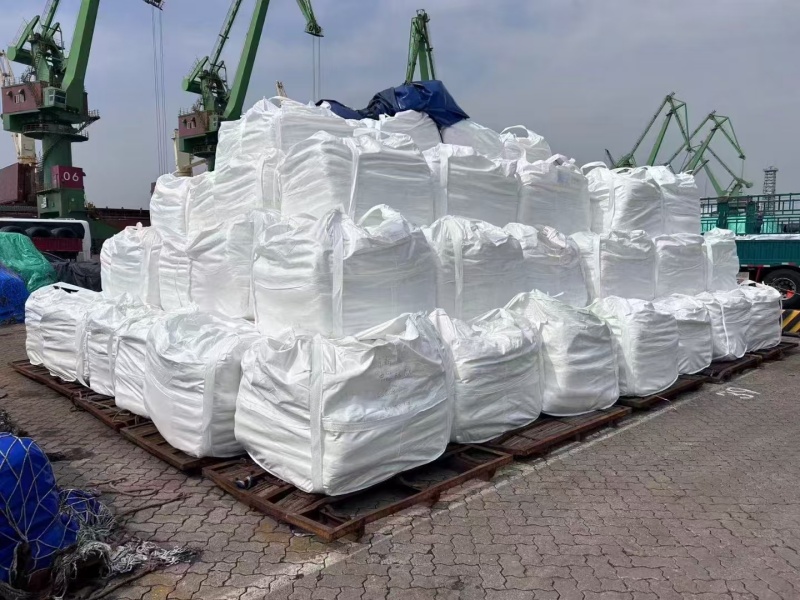
Moisture-proof multiwall kraft sacks with inner PE liners packed onto heat-treated pallets, ensuring dry and clump-free arrival at any seaport.
Discover More