Leave Your Message
Engineered chemicals from RMG designed to counteract organic shocks, microbial fouling, and heavy nitrogen loads in complex wastewater matrixes.
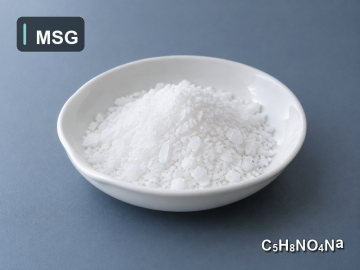 MONOSODIUM GLUTAMATE - Food Additives
Polyacrylamide Flocculants for High-BOD Clarification
Advanced Industrial Biocides & Scale Inhibitors
Polymer Demulsifiers & COD Adsorption Agents
Examining biochemical oxygen depletion, extreme ammoniacal nitrogen toxicity, and membrane autopsy failures in industrial wastewater reclamation.
Monosodium Glutamate ($C_5H_8NO_4Na$), the sodium salt of the non-essential amino acid glutamic acid, is globally celebrated in the food processing industry as a master condiment for delivering savory "umami" flavor profiles. Synthesized predominantly via large-scale industrial fermentation utilizing carbohydrates, cane molasses, and ammoniacal salts with bacteria like Corynebacterium glutamicum, MSG serves billions of consumers annually. However, in the realm of industrial wastewater engineering, environmental compliance, and process water recycling, Monosodium Glutamate is bad for industrial water treatment when present in unmanaged concentrations.
Environmental chemical engineers and plant operators frequently categorize fermentation wastewater containing monosodium glutamate as one of the most recalcitrant and aggressively polluting agro-industrial streams. The presence of residual glutamate molecules, microbial cell autolysates, mother liquor byproducts, and sodium ions presents an acute triple threat: massive Chemical Oxygen Demand (COD), staggering Biochemical Oxygen Demand (BOD), and destructive Ammonium Nitrogen ($NH_4^+-N$) concentrations that routinely overwhelm standard municipal and industrial wastewater facilities.
Typical raw spent wash and mother liquor from monosodium glutamate manufacturing plants exhibit pollutant loads rarely equaled in petrochemical or metallurgical industries:
In academic literature, monosodium glutamate is occasionally evaluated as an eco-friendly, non-toxic "green" chelating ligand and biodegradable corrosion inhibitor for cooling circuits. Yet in practice, its high biodegradability acts as a double-edged sword. In cooling loops and industrial boilers, glutamate hydrolyzes and serves as a rapid nutrient source for pathogenic bacteria, accelerating microbially induced corrosion (MIC) and biofilm formation. Thus, without strictly calibrated biocides and specialized water chemistry from suppliers like RMG, utilizing or discharging MSG streams results in immediate hydraulic and biological failure.
The excessive ammonia content in MSG effluent acts as an acute toxin to autotrophic nitrifying bacteria (Nitrosomonas and Nitrobacter). High concentrations of free ammonia (FA) and free nitrous acid (FNA) drastically suppress nitrification rates, leading to systemic failure of activated sludge aeration basins, sludge bulking, and catastrophic non-compliance with effluent nitrogen limits.
For modern factories implementing Zero Liquid Discharge (ZLD), MSG-rich wastewater rapidly forms dense, gelatinous bio-organic fouling layers over polyamide thin-film composite reverse osmosis (RO) membranes. The carboxylic and amino functional groups of glutamate interact with polyvalent metal cations ($Ca^{2+}, Mg^{2+}$), forming impenetrable coordination complexes that increase transmembrane pressure (TMP) and demand aggressive chemical cleaning.
Due to the frequent usage of sulfuric acid during isoelectric point crystallization in MSG synthesis, waste mother liquor possesses massive sulfate concentrations. In Upflow Anaerobic Sludge Blanket (UASB) or Internal Circulation (IC) digesters, sulfate-reducing bacteria (SRB) outcompete methanogenic archaea, converting sulfates into toxic, corrosive dissolved hydrogen sulfide ($H_2S$) that destroys mechanical pumps, biogas boilers, and concrete clarifiers.
How progressive chemical manufacturers and environmental plant managers mitigate monosodium glutamate pollution vectors via advanced biological, catalytic, and chemical interventions.
To prevent biological collapse, direct treatment of monosodium glutamate mother liquor without dilution is impossible. Leading treatment facilities deploy expanded granular sludge bed (EGSB) or internal circulation (IC) reactors coupled with rigorous desulfurization. Upstream microbial acclimation allows methanogens to tolerate moderate sodium toxicity while degrading soluble chemical oxygen demand by 75% to 85%, recovering biomethane fuel to offset plant energy expenditures.
Because the Carbon-to-Nitrogen (C/N) ratio of digested MSG wastewater is notoriously unbalanced after COD elimination, conventional nitrification-denitrification processes require colossal quantities of expensive external carbon sources (e.g., methanol, sodium acetate). Modern engineering has pivoted toward the Partial Nitritation-Anammox (PN/A) pathway, which consumes 60% less aeration energy and virtually zero supplementary carbon to eliminate refractory ammoniacal nitrogen.
Residual non-biodegradable humic-like polymers and caramelized melanoidins formed during carbohydrate heating impart deep brown coloration and persistent refractory COD to MSG wastewater. Chemical treatment plants implement Fenton-like advanced oxidation, UV/Ozone catalytic oxidation, or catalytic wet air oxidation (CWAO) to break down cyclic compounds into short-chain organic acids before discharge.
Pre-treatment of suspended bacterial biomass (spent Corynebacterium cellular bodies) requires high-basicity coagulants like Polyaluminum Chloride (PAC) paired with ultra-high molecular weight polyacrylamide (PAM) flocculants. RMG supplies specialized poly-ionic polymers optimized for fast-settling micro-flocs in dissolved air flotation (DAF) and gravity thickeners, preventing downstream mechanical blinding in plate-and-frame filter presses.
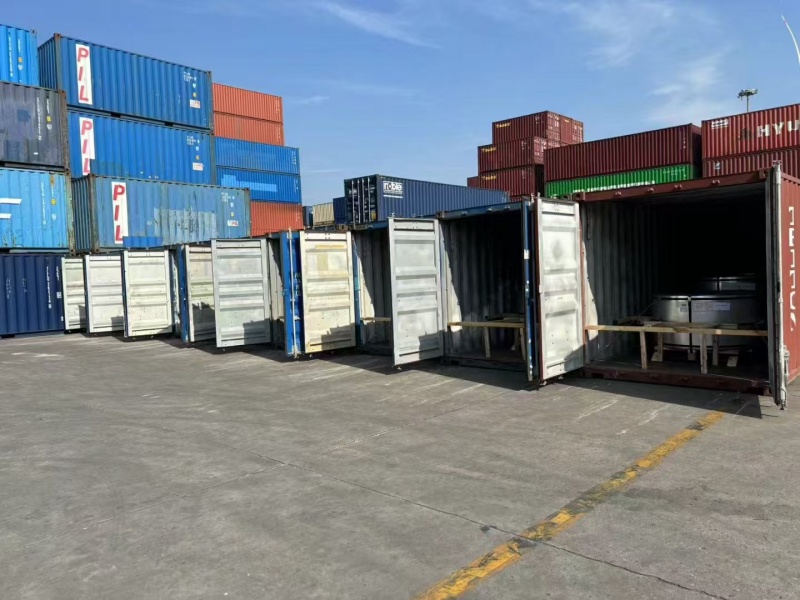
RIVER AND MOUNTAIN GLOBAL LIMITED, also known as RMG, is a global chemical products supplier with more than 20 years of experience in the chemical industry.
We specialize in the export of chemical products used in glassware, printing and dyeing, water treatment, detergents, food and feed additives, fertilizers, desiccants, plastics, minerals, paper-making, and foaming agents.
With deep industry knowledge, reliable supplier resources, and a strong understanding of international markets, RMG helps global buyers solve key sourcing challenges: stable quality, competitive pricing, reliable supply, and efficient service.
Our products are sourced from national-level enterprises and trusted manufacturers, ensuring consistent product quality and long-term supply stability for customers worldwide.
At RMG, we focus on what matters most to chemical product buyers:
Competitive Price
We help customers control purchasing costs through strong sourcing capability and long-term supplier cooperation.
Reliable Product Source
Our supply network is built on qualified manufacturers with stable production capacity and quality assurance.
Stable Quality
We select products from reputable enterprises to reduce quality risk and support repeat purchasing.
Professional Service
From inquiry to shipment, our team responds quickly and supports customers with practical export experience.
Global Market Experience
With business covering 50+ countries and regions, we understand the needs of buyers across Asia-Pacific, Europe, North America, Latin America, the Middle East, Africa, and Oceania.
Our vision is to become a trusted long-term chemical supply partner for global buyers.
We believe that chemical trade is not only about price, but also about stability, responsibility, and trust. RMG is committed to building sustainable partnerships with customers who value consistent quality, reliable supply, and professional cooperation.
We aim to support customers in reducing sourcing risks, improving procurement efficiency, and gaining stronger competitiveness in their local markets.
Experience in the chemical industry
Global business coverage
Serving industries including water treatment, detergents, fertilizers, food and feed additives, paper-making, plastics, and more
Products sourced from national-level enterprises and reliable manufacturers
RMG was founded with a clear purpose: to make chemical product sourcing more reliable, more efficient, and more valuable for international buyers.
Over the past 20 years, we have witnessed the changing demands of the global chemical market. Buyers need more than a product list; they need a partner who understands market fluctuations, supply risks, documentation requirements, and long-term cooperation.
That is why RMG continues to focus on three core values: competitive pricing, dependable supply, and customer satisfaction. These values guide every quotation, every shipment, and every partnership we build.
Today, RMG continues to grow with customers around the world, providing chemical products and sourcing support across multiple industries and markets.
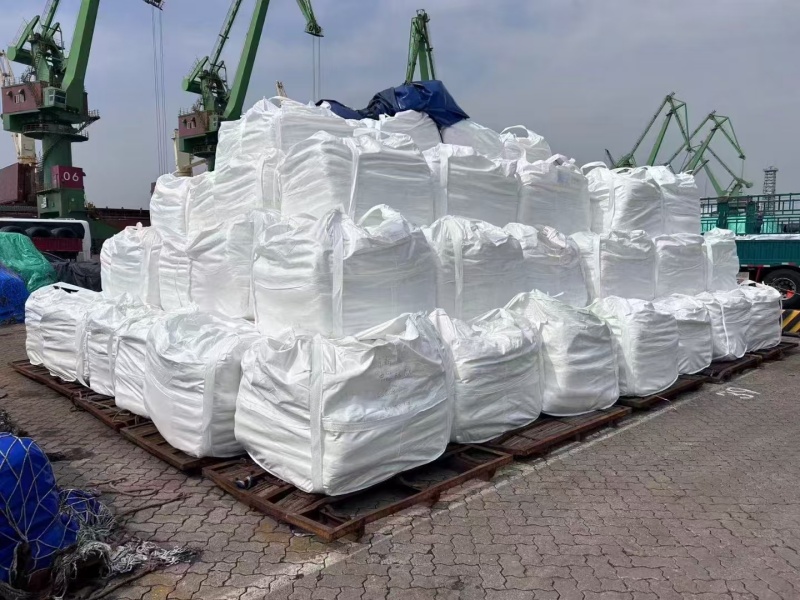
RMG serves customers in more than 50 countries and regions, with business coverage across:
Our wide market coverage allows us to respond to different purchasing needs, regional standards, and application requirements with greater flexibility.
RMG works closely with reliable chemical manufacturers and national-level enterprises to ensure product stability and supply continuity.
For global buyers, this means more than finding a supplier. It means working with a sourcing partner who can provide quality consistency, supply reliability, and long-term cooperation value.
Explore RMG's high-purity chemicals and specialized additives designed for global processing plants, effluent remediation, and advanced chemical synthesis.
MONOSODIUM GLUTAMATE - Food Additives
Industrial Grade Nitrogen & Ammonia Neutralizer
Glutamate Synthesis & Bio-Nutrient Mediums
Polyaluminum Chloride (PAC) High-Purity Coagulant
Non-Oxidizing Biocides for Cooling Towers & Basins
High-Silica & Sulfate Membrane Antiscalant Agents
ZLD Evaporative Crystallization Modifiers
Eco-Friendly Polymeric Heavy Metal Precipitants