
Leave Your Message
Explore our export-grade raw materials formulated to solve nutritional balance challenges and prevent metabolic toxicity in compound animal diets.
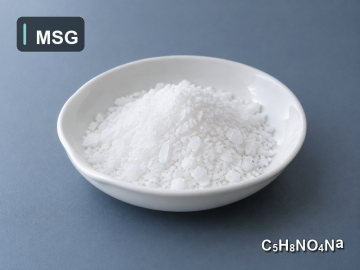
The industrial feed compounding industry operates under fierce market pressures: rising raw material costs, the total phasing out of prophylactic in-feed antibiotic growth promoters (AGPs), and unrelenting consumer demand for high-efficiency protein conversion rates. In the quest to stimulate voluntary feed intake across juvenile livestock, aquaculture fingerlings, and companion animals, feed mill formulators have routinely deployed umami gustatory enhancers. Among these, Monosodium Glutamate (MSG, C₅H₈NO₄Na) stands as one of the most chemically prevalent, economically accessible, and controversially deployed flavoring amino acid salts in commercial history.
However, an intensifying chorus of livestock nutritionists, veterinary toxicologists, and commercial feed millers now challenge its indiscriminate usage, raising the critical query: Is Monosodium Glutamate bad for animal feed and nutrition? The scientific reality is nuanced yet urgent: while pure L-glutamic acid is a crucial functional fuel for intestinal enterocytes, its sodium-conjugated industrial derivative—when overdosed, improperly balanced, or adulterated—can precipitate severe pathological, metabolic, and physiological damage across multiple species.
At the biochemical level, free L-glutamate is the premier oxidative fuel for mucosal intestinal epithelium in non-ruminants such as piglets, broiler chicks, and carnivore fish. More than 95% of dietary glutamate is extracted during initial first-pass splanchnic metabolism to drive ATP generation, mucin synthesis, and mucosal barrier repair. However, the commercial vulnerability surfaces when high concentrations of synthetic MSG saturate the intestinal barrier transport mechanisms (system X-AG and EAAT1/2).
When dietary levels exceed the catabolic capacity of the enterocyte mitochondria, systemic blood glutamate concentrations surge exponentially. In avian and juvenile monogastric species, elevated plasma glutamate crosses an immature blood-brain barrier (BBB), activating post-synaptic N-methyl-D-aspartate (NMDA) and AMPA/kainate receptors. This overstimulation triggers an unchecked intracellular influx of calcium ions (Ca²⁺), unleashing mitochondrial necrosis, excessive reactive oxygen species (ROS) production, and neuronal death within the arcuate nucleus of the hypothalamus. Far from mere appetite stimulation, chronic uncalibrated inclusion of MSG disrupts endogenous endocrine regulation of growth hormone (GH), leptin signaling, and thyroid hormone synthesis, directly undermining feed conversion efficiency (FCR).
Understanding why Monosodium Glutamate can be bad for animal feed formulations requires an analysis of secondary metabolic pathways, electrolyte dynamics, and organ integrity.
MSG contains approximately 12.3% bioavailable sodium by weight. Heavy inclusion in high-protein diets drastically distorts the Dietary Electrolyte Balance (dEB = Na + K - Cl in mEq/kg), elevating wet litter incidence in poultry and metabolic acidosis.
Excessive transamination loads overwhelm hepatic glutamate dehydrogenase (GDH) and alanine aminotransferase (ALT), driving non-protein nitrogen buildup, elevated serum uric acid, and premature nephropathy in broilers and turkeys.
Continuous excessive stimulation of umami taste receptors (T1R1 + T1R3) leads to down-regulation of peripheral taste sensitivity. If transitioning to baseline grower diets, animals suffer severe post-weaning anorexia.
A critical industrial hazard occurs when low-tier feed compounders introduce technical or off-spec industrial MSG to cover the foul palatability of oxidized lipids, rancid animal by-products, or mycotoxin-contaminated grain meals. By chemically tricking gustatory receptors into higher feed intake, animals ingest dangerous quantities of aflatoxins, deoxynivalenol (DON), and biogenic amines, resulting in acute mortality and sudden performance collapse.
In mature agricultural markets across the European Union (EFSA regulations), North America (FDA/AAFCO), and key Asia-Pacific nations, regulatory bodies are tightening the classification of synthetic palatability agents. The trend is moving rapidly away from crude bulk chemical stimulants toward standardized, micro-encapsulated functional amino acids and botanical phytogenics.
Instead of relying on crude sodium glutamate salts, modern nutritional science advocates for rumen-protected, fat-encapsulated, or peptide-bound glutamine-glutamate complexes. These advanced delivery matrices ensure target release in the distal duodenum and jejunum, shielding the gastric environment from ionic shocks and preventing catastrophic plasma hyper-glutamatemia.
When Monosodium Glutamate is deployed legitimately in premixes—such as in early-stage piglet creep feeds at precise micro-doses (0.1% to 0.3%)—the chemical purity and trace metal profile must meet pharmacopeia or strict food-additive tier standards. The presence of residual heavy metals (Lead, Arsenic, Cadmium), synthesis impurities (pyroglutamic acid), or microbial endotoxins in unvetted chemical by-products is a primary cause of commercial toxicity in animal nutrition.
Modern linear formulation software relies on the "Ideal Protein Concept," balancing essential amino acids (Lysine, Methionine, Threonine, Tryptophan, Valine) against non-essential nitrogen donors. When MSG is used purely as a cheap nitrogen source, it distorts the branched-chain amino acid (BCAA) antagonism. Excess glutamate competes with neutral amino acid transporters, impeding the absorption of Leucine, Isoleucine, and Valine, which in turn diminishes lean muscle tissue accretion.
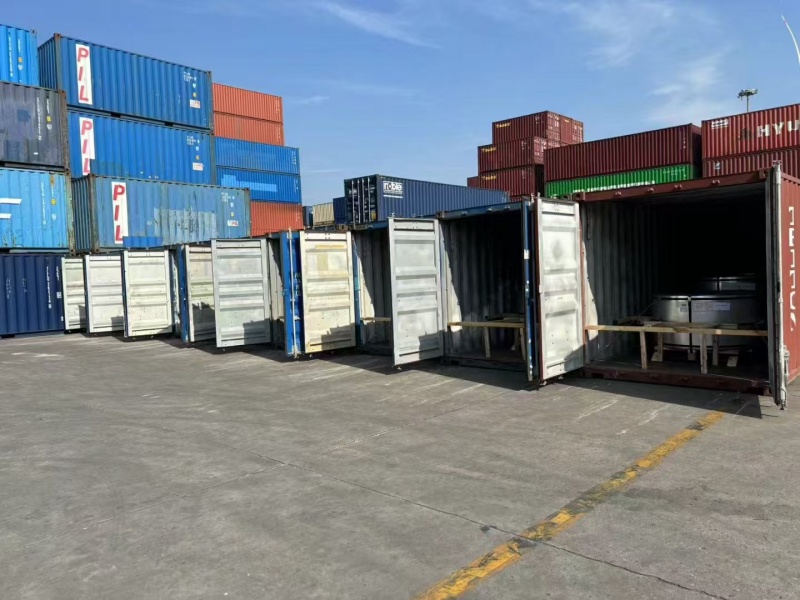
RIVER AND MOUNTAIN GLOBAL LIMITED, also known as RMG, is a global chemical products supplier with more than 20 years of experience in the chemical industry.
We specialize in the export of chemical products used in glassware, printing and dyeing, water treatment, detergents, food and feed additives, fertilizers, desiccants, plastics, minerals, paper-making, and foaming agents.
With deep industry knowledge, reliable supplier resources, and a strong understanding of international markets, RMG helps global buyers solve key sourcing challenges: stable quality, competitive pricing, reliable supply, and efficient service.
Our products are sourced from national-level enterprises and trusted manufacturers, ensuring consistent product quality and long-term supply stability for customers worldwide.
At RMG, we focus on what matters most to chemical product buyers:
Competitive Price
We help customers control purchasing costs through strong sourcing capability and long-term supplier cooperation.
Reliable Product Source
Our supply network is built on qualified manufacturers with stable production capacity and quality assurance.
Stable Quality
We select products from reputable enterprises to reduce quality risk and support repeat purchasing.
Professional Service
From inquiry to shipment, our team responds quickly and supports customers with practical export experience.
Global Market Experience
With business covering 50+ countries and regions, we understand the needs of buyers across Asia-Pacific, Europe, North America, Latin America, the Middle East, Africa, and Oceania.
Our vision is to become a trusted long-term chemical supply partner for global buyers.
We believe that chemical trade is not only about price, but also about stability, responsibility, and trust. RMG is committed to building sustainable partnerships with customers who value consistent quality, reliable supply, and professional cooperation.
We aim to support customers in reducing sourcing risks, improving procurement efficiency, and gaining stronger competitiveness in their local markets.
Experience in the chemical industry
Global business coverage
Serving industries including water treatment, detergents, fertilizers, food and feed additives, paper-making, plastics, and more
Products sourced from national-level enterprises and reliable manufacturers
RMG was founded with a clear purpose: to make chemical product sourcing more reliable, more efficient, and more valuable for international buyers.
Over the past 20 years, we have witnessed the changing demands of the global chemical market. Buyers need more than a product list; they need a partner who understands market fluctuations, supply risks, documentation requirements, and long-term cooperation.
That is why RMG continues to focus on three core values: competitive pricing, dependable supply, and customer satisfaction. These values guide every quotation, every shipment, and every partnership we build.
Today, RMG continues to grow with customers around the world, providing chemical products and sourcing support across multiple industries and markets.
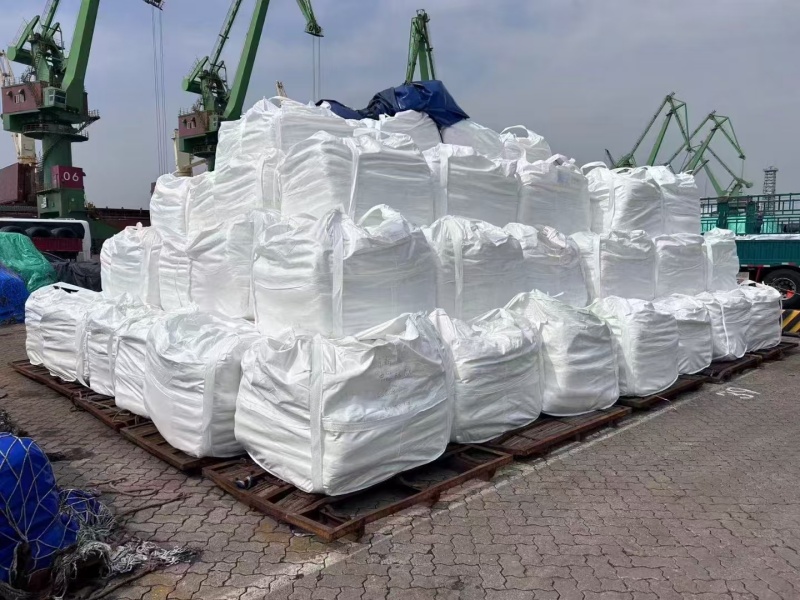
RMG serves customers in more than 50 countries and regions, with business coverage across global industrial centers.
Our wide market coverage allows us to respond to different purchasing needs, regional standards, and application requirements with greater flexibility.
Whether navigating EU REACH declarations, Middle Eastern SASO guidelines, or South American port quarantine mandates, RMG's compliance framework guarantees seamless customs clearance and certified certificate of analysis (COA) integrity.
RMG works closely with reliable chemical manufacturers and national-level enterprises to ensure product stability and supply continuity.
For global buyers, this means more than finding a supplier. It means working with a sourcing partner who can provide quality consistency, supply reliability, and long-term cooperation value.
Review our factory-direct bulk shipments, verified through stringent laboratory assay checks, micro-contaminant testing, and moisture stabilization.