
Leave Your Message
Engineered for high-throughput food manufacturing, fermentation synthesis, and advanced processing applications.
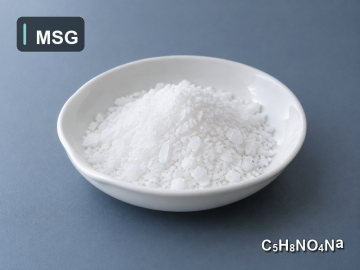 MONOSODIUM GLUTAMATE - Food Additives
Ultra-pure 99% crystalline MSG food additive formulated specifically for commercial export and South Korean industrial formulation.
South Korea Mesh 30-40 Pure MSG Crystal
Uniform particle distribution tailored for Korean seasoning mixes, snack coatings, broth concentrates, and ramen spice blends.
High-Solubility Microcrystalline MSG (80-100 Mesh)
Rapid-dissolving microcrystals ideal for bio-fermentation broths, agricultural chelation, and liquid umami bases.
South Korea Bulk Packaging Industrial MSG
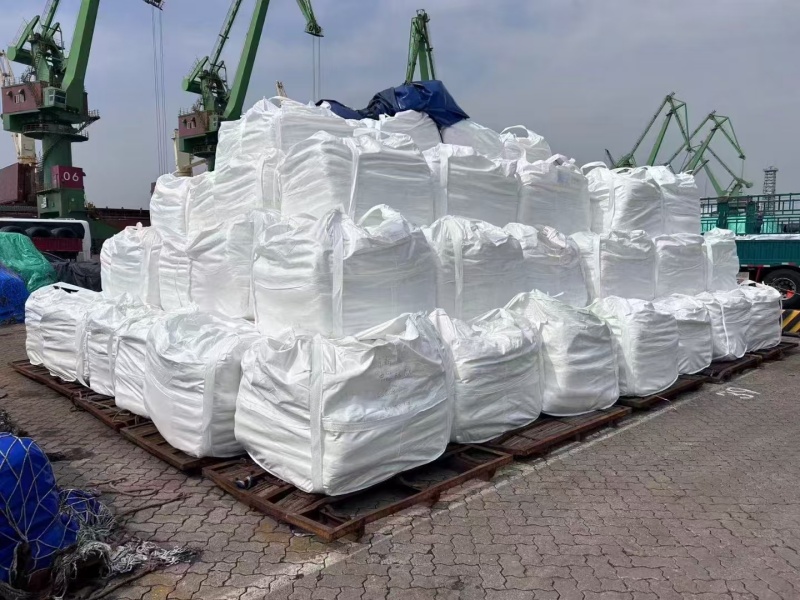
Multi-wall 25kg and 1,000kg jumbo tote containers optimized for seamless containerized ocean freight to Busan and global ports.
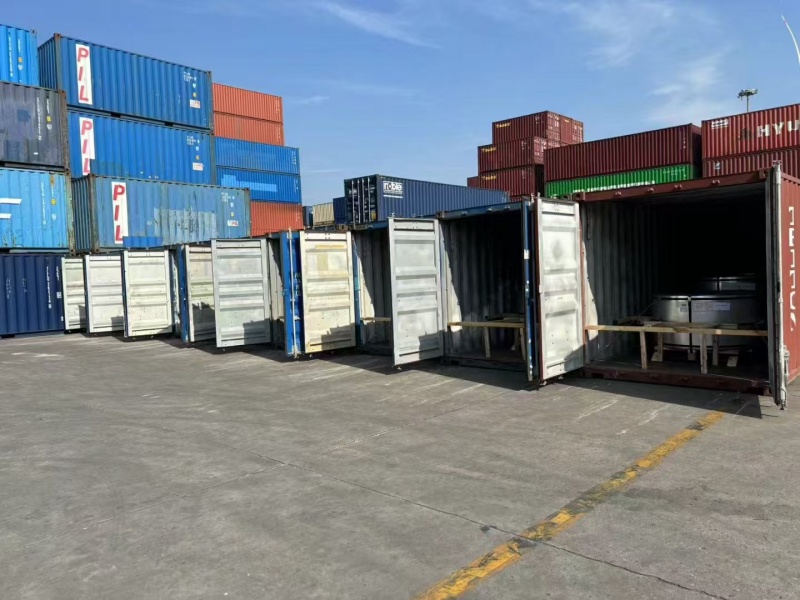
RIVER AND MOUNTAIN GLOBAL LIMITED, also known as RMG, is a global chemical products supplier with more than 20 years of experience in the chemical industry.
We specialize in the export of chemical products used in glassware, printing and dyeing, water treatment, detergents, food and feed additives, fertilizers, desiccants, plastics, minerals, paper-making, and foaming agents.
With deep industry knowledge, reliable supplier resources, and a strong understanding of international markets, RMG helps global buyers solve key sourcing challenges: stable quality, competitive pricing, reliable supply, and efficient service.
Our products are sourced from national-level enterprises and trusted manufacturers, ensuring consistent product quality and long-term supply stability for customers worldwide.
In our specialized food and biotechnology additives division, we provide end-to-end supply chain integration for Monosodium Glutamate (MSG, C5H8NO4Na). We serve procurement managers across South Korea and global trading corridors, resolving the friction between market misinformation and high-standard scientific manufacturing.
A rigorous evaluation of regulatory science, historical misinformation, and the contemporary industrial resurgence of MSG in East Asia.
Regulatory Reality Check: The South Korean Ministry of Food and Drug Safety (MFDS, former KFDA), alongside the U.S. FDA, the World Health Organization (WHO), and the European Food Safety Authority (EFSA), unequivocally classifies Monosodium L-Glutamate as Generally Recognized as Safe (GRAS). The historical label of MSG as a "bad" additive stemmed from unsubstantiated sociological panic rather than peer-reviewed toxicological evidence.
For decades, the search query "Monosodium Glutamate Bad Exporter & Company in South Korea" has highlighted a fundamental paradox. On one hand, consumer food journalism during the late 20th century in South Korea and North America fueled sensationalized fears regarding glutamic acid salts. Television programs in South Korea historically stigmatized MSG in dining establishments, leading to aggressive marketing campaigns centered around "MSG-Free" labels. On the other hand, South Korea is home to some of the world's most technologically sophisticated bio-fermentation infrastructure, pioneering the commercialization of umami compounds through microbial fermentation.
The stigma known colloquially as "Chinese Restaurant Syndrome" originated in 1968 without controlled clinical validation. In South Korea, local television exposés in the early 2000s falsely associated MSG with headaches, thirst, and general malaise. However, subsequent double-blind, placebo-controlled clinical trials conducted by international scientific bodies demonstrated that dietary MSG does not produce adverse physiological reactions in the general population. In fact, glutamic acid is one of the most abundant non-essential amino acids in nature, naturally occurring in kimchi, fermented doenjang (soybean paste), dried kelp (dasima), aged cheeses, and ripe tomatoes.
The Ministry of Food and Drug Safety (MFDS) of South Korea officially removed the designation "synthetic" from monosodium glutamate labels, categorizing it accurately alongside natural fermentation-derived food additives. In recent years, a massive cultural shift driven by modern culinary science, renowned Korean celebrity chefs, and molecular gastronomy advocates has restored MSG's reputation. Industry experts now openly advocate for MSG as an exceptional tool for sodium reduction: because MSG contains approximately 12% sodium compared to table salt's 39% (NaCl), substituting a fraction of sodium chloride with monosodium glutamate allows South Korean ready-meal manufacturers to reduce total sodium content by up to 30-40% without compromising savoriness.
In B2B industrial procurement, when Korean chemical buyers and global importers search for "Monosodium Glutamate Bad Exporters," they are frequently seeking to identify and avoid non-compliant trading intermediaries who supply subpar, low-purity, or contaminated material. Substandard exporters may deliver crystalline shipments with irregular mesh sizes, excessive moisture content that leads to caking during marine transit, heavy metal impurities exceeding strict MFDS food-safety limits (such as lead, arsenic, and mercury), or uncertified origins lacking Halal, Kosher, or ISO documentation. Partnering with a vetted export powerhouse like RMG eliminates these commercial risks through rigorous analytical batch testing and direct provenance from tier-one production facilities.
How high-grade Monosodium Glutamate powers South Korea's multi-billion dollar food processing, biotechnology, and agricultural sectors.
South Korea's instant ramen (ramyeon), packaged kimchi, processed snack chips, and tteokbokki sauces are exported to over 100 countries. Monosodium glutamate forms the critical umami backbone in concentrated dehydrated bouillon packets and marinades, providing intense savory depth that shelf-stable formulas require.
Beyond culinary processing, high-purity monosodium glutamate serves as an indispensable carbon and nitrogen substrate in South Korea's pharmaceutical and industrial microbial fermentation reactors, feeding high-yield strains producing enzymes, biopolymers, and amino acid derivatives.
Technical-grade monosodium glutamate by-products and crystalline formulations are increasingly utilized in South Korea for amino-acid chelated foliar fertilizers and premium livestock feeds, enhancing intestinal absorption and livestock appetite stimulation in swine and poultry operations.
South Korea enforces some of the most exacting standards in the Asia-Pacific region under the Food Sanitation Act. Sourcing Monosodium Glutamate demands comprehensive analytical conformance to prevent shipment seizures, import refusals, or product recall liabilities.
Every commercial batch managed by RMG is validated through high-performance liquid chromatography (HPLC) and atomic absorption spectroscopy, meeting the strictest parameters:
South Korea's domestic chemical and food production cost structure has shifted toward specialized value-added synthesis. Consequently, leading South Korean conglomerates, blending enterprises, and regional brand co-packers rely heavily on imported pure raw materials to maintain price competitiveness in global export channels.
A reliable export company bridges the gap between massive upstream fermentation centers and localized Korean warehousing requirements, ensuring just-in-time delivery to logistical hubs including Busan, Incheon, Gwangyang, and Pyeongtaek.
At RMG, we focus on what matters most to chemical product buyers:
Competitive Price
We help customers control purchasing costs through strong sourcing capability and long-term supplier cooperation.
Reliable Product Source
Our supply network is built on qualified manufacturers with stable production capacity and quality assurance.
Stable Quality
We select products from reputable enterprises to reduce quality risk and support repeat purchasing.
Professional Service
From inquiry to shipment, our team responds quickly and supports customers with practical export experience.
Global Market Experience
With business covering 50+ countries and regions, we understand the needs of buyers across Asia-Pacific, Europe, North America, Latin America, the Middle East, Africa, and Oceania.
Our vision is to become a trusted long-term chemical supply partner for global buyers.
We believe that chemical trade is not only about price, but also about stability, responsibility, and trust. RMG is committed to building sustainable partnerships with customers who value consistent quality, reliable supply, and professional cooperation.
We aim to support customers in reducing sourcing risks, improving procurement efficiency, and gaining stronger competitiveness in their local markets.
Experience in the chemical industry
Global business coverage
Serving industries including water treatment, detergents, fertilizers, food and feed additives, paper-making, plastics, and more
Products sourced from national-level enterprises and reliable manufacturers
RMG was founded with a clear purpose: to make chemical product sourcing more reliable, more efficient, and more valuable for international buyers.
Over the past 20 years, we have witnessed the changing demands of the global chemical market. Buyers need more than a product list; they need a partner who understands market fluctuations, supply risks, documentation requirements, and long-term cooperation.
That is why RMG continues to focus on three core values: competitive pricing, dependable supply, and customer satisfaction. These values guide every quotation, every shipment, and every partnership we build.
Today, RMG continues to grow with customers around the world, providing chemical products and sourcing support across multiple industries and markets.
RMG serves customers in more than 50 countries and regions, with business coverage across:
Our wide market coverage allows us to respond to different purchasing needs, regional standards, and application requirements with greater flexibility.
In East Asia, South Korea represents a vital hub for our advanced chemical portfolio. By maintaining responsive shipping pipelines to maritime terminals in Busan and Incheon, RMG delivers uninterrupted raw material streams supporting food-grade production, cosmetic manufacturing, and large-scale industrial processing.
RMG works closely with reliable chemical manufacturers and national-level enterprises to ensure product stability and supply continuity.
For global buyers, this means more than finding a supplier. It means working with a sourcing partner who can provide quality consistency, supply reliability, and long-term cooperation value.
Explore our specialized grades, custom granulometries, and high-purity chemical solutions engineered for South Korean and international enterprises.
Monosodium Glutamate 99% (Korea Food Standard)
Certified 99% pure monosodium glutamate compliant with South Korean MFDS purity, moisture, and solubility protocols.
Coarse Crystal MSG (24-30 Mesh)
High-clarity columnar crystals offering aesthetic sparkle and slow dissolution for commercial dry rubs and seasoning sachets.
Medium Crystal MSG (40-60 Mesh)
The global industry standard for automated food seasoning, snack seasoning drums, and commercial soup formulation.
Superfine MSG Powder (80-120 Mesh)
Micronized particles engineered for immediate adhesion on extruded snacks, potato chips, and dry instant soup bases.
MSG & I+G Compound Umami Seasoning
Synergistic blend of MSG with Disodium Inosinate and Guanylate, multiplying flavor impact for Korean ramen and stew broths.
Feed Grade Monosodium Glutamate (South Korea Livestock)
Amino acid feed additive boosting palatability and daily feed conversion efficiency in swine and aquaculture sectors.
OEM Retail Packaged MSG (200g - 1kg)
Full private label packaging options in durable laminated nitrogen-flushed poly bags for supermarket retail distribution.
Containerized Bulk MSG (1,000kg Jumbo Bags)
Heavy-duty, moisture-barrier bulk sacks designed for deep-sea shipping and direct loading into South Korean food factory silos.