Leave Your Message
The global paper and pulp manufacturing industry operates under a dual mandate: optimizing continuous yield while strictly adhering to rigorous environmental mandates such as zero-liquid-discharge (ZLD) and elemental chlorine-free (ECF/TCF) standards. In this competitive landscape, Methoxy Acetic Acid (CAS 625-45-6, methoxyethanoic acid) has transitioned from an organo-chemical synthesis building block to an indispensable specialty process chemical.
Historically, Kraft pulp digestion and subsequent multistage bleaching operations relied heavily on mineral acid hydrolyzers and harsh sulfide reagents. Although effective at dissolving amorphous lignin networks, these non-selective chemistries cause significant terminal cellulose degradation, reducing tensile strength and tearing indices. Modern fiber line architectures now integrate ether-substituted monocarboxylic matrices—specifically Methoxy Acetic Acid—to address these engineering challenges.
Driven by escalating wood fiber costs and elevated mechanical energy prices during thermo-mechanical pulping (TMP) and chemical-mechanical refining (CMP), pulp producers in Northern Europe, North America, and East Asia are adopting Methoxy Acetic Acid as an advanced organic solubilizer, catalytic nucleophile, and wet-end modifier. Its polar methoxy head-group coupled with short-chain aliphatic carboxyl reactivity establishes a controlled acidic medium capable of selective ether bond cleavage without fracturing the delicate crystalline cellulose backbone.
Unlike unselective inorganic acids, Methoxy Acetic Acid functions via targeted nucleophilic scission of non-phenolic β-O-4 and α-O-4 aryl ether linkages within lignin macromolecules. This enables superior lignin dissociation under moderate thermal digestion, achieving marked reductions in Kappa numbers while retaining cellulose degree of polymerization (DP).
Cellulose viscosity directly correlates with paper tensile burst factors. By acting as a stabilizing proton buffer during high-shear digestion, Methoxy Acetic Acid mitigates uncontrolled peeling reactions and acid hydrolysis across glucan chains. The resulting pulp delivers enhanced tear resistance, high runnability on ultra-high-speed paper machines, and lower fiber rejects.
In Chlorine Dioxide (D) and Ozone (Z) bleaching stages, recalcitrant hexenuronic acids (HexA) consumed substantial oxidant volumes. Pretreatment stages utilizing Methoxy Acetic Acid selectively catalyze HexA degradation, minimizing chemical oxygen demand (COD) in washing effluents and slashing overall hydrogen peroxide and chlorine dioxide consumption by up to 18%.
In circular packaging production and secondary fiber recycling (OCC/deinking pulps), mechanical degradation and multiple drying cycles induce irreversible fiber hornification. Methoxy Acetic Acid exhibits exceptional wetting dynamics and swelling power on recycled fibers.
It disrupts cross-linked inter-fiber hydrogen bonds at the sub-microscopic level, re-hydrating collapsed lumen channels and effectively stripping modern polymeric toner resins, UV-curable ink systems, and hot-melt adhesives from cellulosic matrices without damaging fragile secondary fibrils.
In multi-effect evaporation trains for spent liquor recovery, calcium oxalate and carbonate scales severely impede heat exchange. Methoxy Acetic Acid demonstrates specialized secondary chelating action that stabilizes divalent metal ions in solution. Simultaneously, its solvolytic effect prevents condensed lignin re-precipitation, lowering black liquor viscosity and promoting steady recovery boiler combustion efficiency.
Modern pulp processors are increasingly pivoting to high-purity dissolving pulp suited for lyocell, viscose filament, and specialty cellulose acetate films. These premium grades demand an α-cellulose purity exceeding 96% and tight polymolecularity profiles.
Integrating Methoxy Acetic Acid into pre-hydrolysis cooking stages precisely strips hemicellulosic mannans and xylans while preserving the integrity of long α-cellulose chains. The molecule’s low volatility and high stability prevent corrosive volatilization within high-pressure digesters, guaranteeing operational longevity for titanium and stainless-clad pulping vessels.
Unlike halogenated pulping aids or aromatic sulfonic surfactants, Methoxy Acetic Acid breaks down rapidly into non-persistent, low-molecular-weight organic species in standard activated sludge wastewater units, reducing aggregate eco-toxicity scores in discharge effluent.
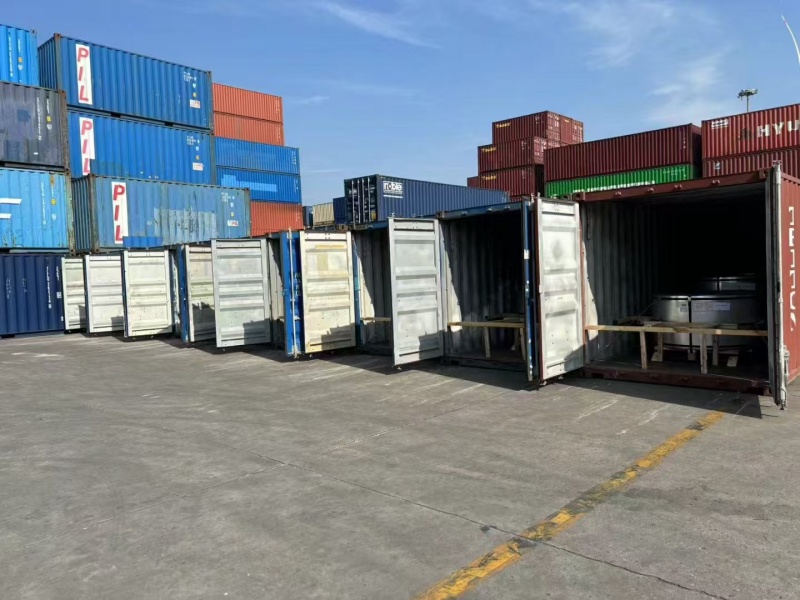
RIVER AND MOUNTAIN GLOBAL LIMITED, also known as RMG, is a global chemical products supplier with more than 20 years of experience in the chemical industry.
We specialize in the export of chemical products used in glassware, printing and dyeing, water treatment, detergents, food and feed additives, fertilizers, desiccants, plastics, minerals, paper-making, and foaming agents.
With deep industry knowledge, reliable supplier resources, and a strong understanding of international markets, RMG helps global buyers solve key sourcing challenges: stable quality, competitive pricing, reliable supply, and efficient service.
Our products are sourced from national-level enterprises and trusted manufacturers, ensuring consistent product quality and long-term supply stability for customers worldwide.
At RMG, we focus on what matters most to chemical product buyers across continuous manufacturing industries:
Competitive Price
We help customers control purchasing costs through strong sourcing capability and long-term supplier cooperation.
Reliable Product Source
Our supply network is built on qualified manufacturers with stable production capacity and quality assurance.
Stable Quality
We select products from reputable enterprises to reduce quality risk and support repeat purchasing.
Professional Service
From inquiry to shipment, our team responds quickly and supports customers with practical export experience.
Global Market Experience
With business covering 50+ countries and regions, we understand the needs of buyers across Asia-Pacific, Europe, North America, Latin America, the Middle East, Africa, and Oceania.
Our vision is to become a trusted long-term chemical supply partner for global buyers.
We believe that chemical trade is not only about price, but also about stability, responsibility, and trust. RMG is committed to building sustainable partnerships with customers who value consistent quality, reliable supply, and professional cooperation.
We aim to support customers in reducing sourcing risks, improving procurement efficiency, and gaining stronger competitiveness in their local markets.
Experience in the chemical industry
Global business coverage
Serving industries including water treatment, detergents, fertilizers, food and feed additives, paper-making, plastics, and more
Products sourced from national-level enterprises and reliable manufacturers
RMG was founded with a clear purpose: to make chemical product sourcing more reliable, more efficient, and more valuable for international buyers.
Over the past 20 years, we have witnessed the changing demands of the global chemical market. Buyers need more than a product list; they need a partner who understands market fluctuations, supply risks, documentation requirements, and long-term cooperation.
That is why RMG continues to focus on three core values: competitive pricing, dependable supply, and customer satisfaction. These values guide every quotation, every shipment, and every partnership we build.
Today, RMG continues to grow with customers around the world, providing chemical products and sourcing support across multiple industries and markets.
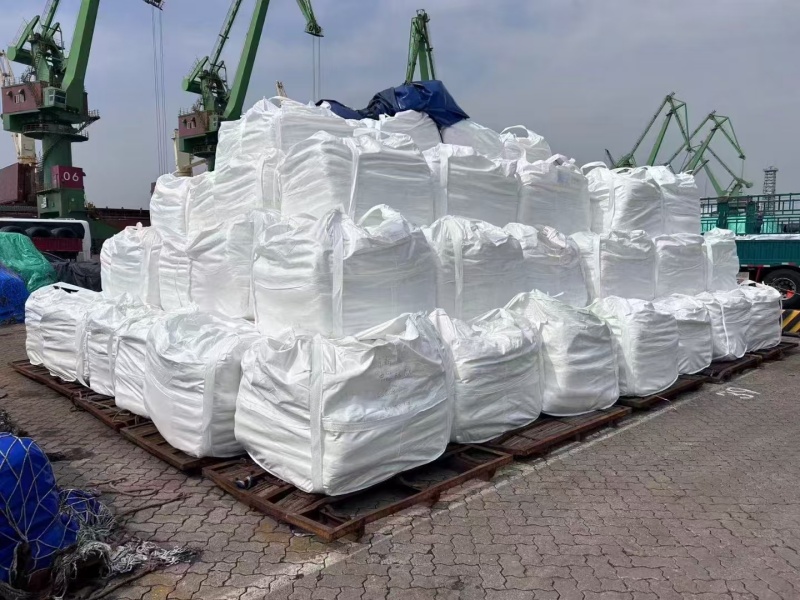
RMG serves customers in more than 50 countries and regions, with business coverage across major chemical import centers worldwide.
Our wide market coverage allows us to respond to different purchasing needs, regional standards, and application requirements with greater flexibility and customized technical support.
RMG works closely with reliable chemical manufacturers and national-level enterprises to ensure product stability and supply continuity.
For global buyers, this means more than finding a supplier. It means working with a sourcing partner who can provide quality consistency, supply reliability, and long-term cooperation value across all pulp processing and chemical synthesis requirements.