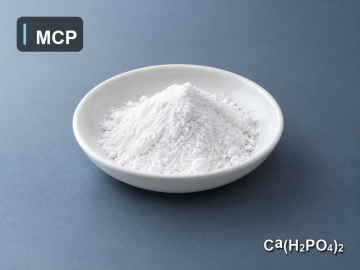
Leave Your Message
Industrial phosphate and carbonate compounds engineered for exact thermal decomposition and high-temperature pore engineering
From microcellular foaming to chemical fining, explore the physics, market developments, and deep technical operations of leavening agents in high-performance glass manufacture.
In glass materials science, the technical concept of a "leavening agent" intersects two distinct, highly critical metallurgical and physical operations: cellular glass synthesis (foam glass) and pyro-chemical fining. Unlike organic leavening observed in food production, leavening within molten silicates and sintered cullet demands precise thermal degradation profiles.
During cellular glass processing, inorganic leavening agents, such as calcium phosphates, carbonates, and carbonaceous compounds, undergo endothermic decomposition or oxidative reactions inside a softening glass powder matrix (typically between 700°C and 950°C). As the glass reaches its dilatometric softening point, the leavening agent releases gases (COx, SOx, H2O vapor, or volatile P2O5 precursor complexes). This releases micro-scale bubbles that become permanently captured within the closing viscous silica network, reducing volumetric density down to 110-180 kg/m³ while establishing superior acoustic dampening and zero-permeability thermal insulation.
Glass formulation chemists depend on specific high-purity inorganic vectors to regulate gas evolution velocity, bubble diameter, and internal wall mechanical resilience:
The global foam glass and advanced architectural glass market is transitioning toward rigid environmental criteria. The commercial demand for non-flammable, vermin-proof, and moisture-impermeable insulation panels across petrochemical hubs, LNG transport, and zero-carbon building envelopes has accelerated the adoption of uniform, high-performance leavening additives.
Modern glass manufacturing trends prioritize reduced thermal footprints during sintering. Advanced leavening compounds engineered with customized particle sizes (D50 < 10 microns) promote lower foaming temperatures, reducing furnace dwell time and curbing CO2 emissions. Moreover, the integration of circular economy principles—transforming 100% municipal and industrial cullet into structural insulating glass—hinges on reactive leavening chemistries that neutralize matrix impurities while ensuring uniform cellular density.
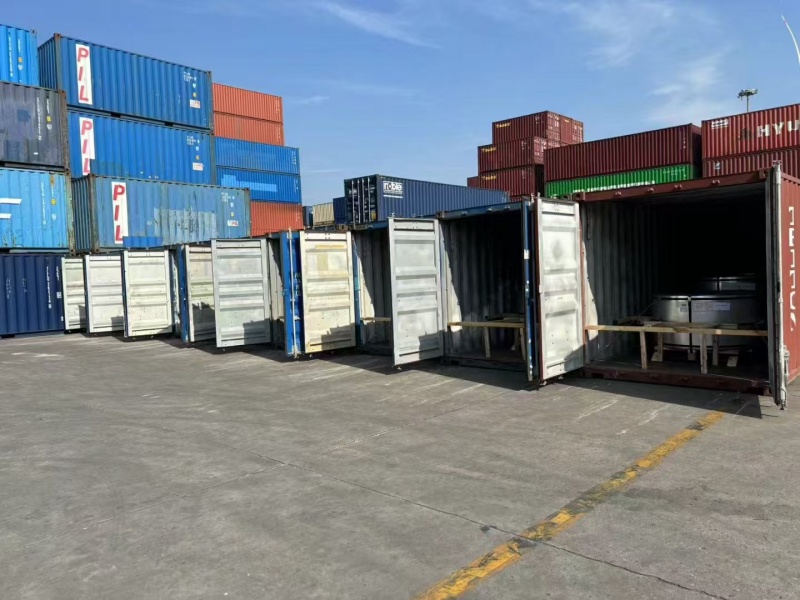
RIVER AND MOUNTAIN GLOBAL LIMITED, also known as RMG, is a global chemical products supplier with more than 20 years of experience in the chemical industry.
We specialize in the export of chemical products used in glassware, printing and dyeing, water treatment, detergents, food and feed additives, fertilizers, desiccants, plastics, minerals, paper-making, and foaming agents.
With deep industry knowledge, reliable supplier resources, and a strong understanding of international markets, RMG helps global buyers solve key sourcing challenges: stable quality, competitive pricing, reliable supply, and efficient service.
Our products are sourced from national-level enterprises and trusted manufacturers, ensuring consistent product quality and long-term supply stability for customers worldwide.
At RMG, we focus on what matters most to chemical product buyers:
Competitive PriceWe help customers control purchasing costs through strong sourcing capability and long-term supplier cooperation.
Reliable Product SourceOur supply network is built on qualified manufacturers with stable production capacity and quality assurance.
Stable QualityWe select products from reputable enterprises to reduce quality risk and support repeat purchasing.
Professional ServiceFrom inquiry to shipment, our team responds quickly and supports customers with practical export experience.
Global Market ExperienceWith business covering 50+ countries and regions, we understand the needs of buyers across Asia-Pacific, Europe, North America, Latin America, the Middle East, Africa, and Oceania.
Our vision is to become a trusted long-term chemical supply partner for global buyers.
We believe that chemical trade is not only about price, but also about stability, responsibility, and trust. RMG is committed to building sustainable partnerships with customers who value consistent quality, reliable supply, and professional cooperation.
We aim to support customers in reducing sourcing risks, improving procurement efficiency, and gaining stronger competitiveness in their local markets.
Experience in the chemical industry
Global business coverage
Serving industries including water treatment, detergents, fertilizers, food and feed additives, paper-making, plastics, and more
Products sourced from national-level enterprises and reliable manufacturers
RMG was founded with a clear purpose: to make chemical product sourcing more reliable, more efficient, and more valuable for international buyers.
Over the past 20 years, we have witnessed the changing demands of the global chemical market. Buyers need more than a product list; they need a partner who understands market fluctuations, supply risks, documentation requirements, and long-term cooperation.
That is why RMG continues to focus on three core values: competitive pricing, dependable supply, and customer satisfaction. These values guide every quotation, every shipment, and every partnership we build.
Today, RMG continues to grow with customers around the world, providing chemical products and sourcing support across multiple industries and markets.
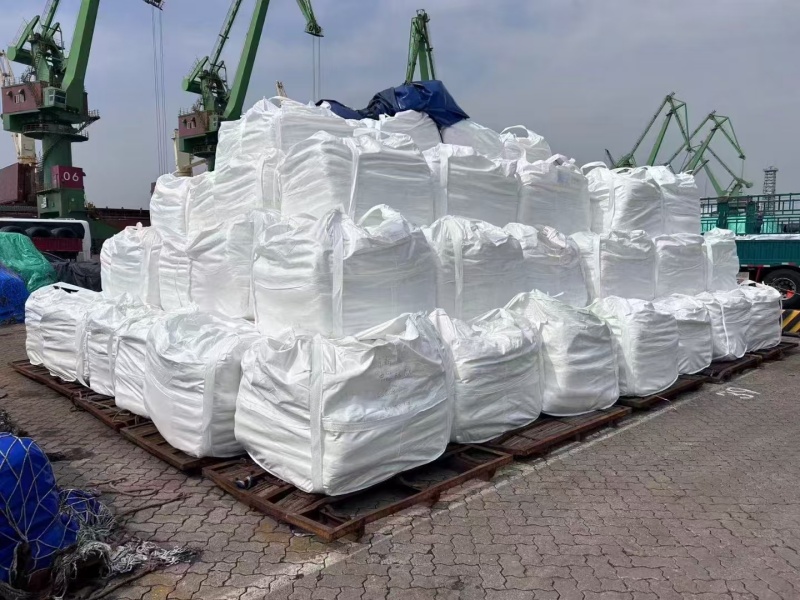
RMG serves customers in more than 50 countries and regions, with business coverage across:
Our wide market coverage allows us to respond to different purchasing needs, regional standards, and application requirements with greater flexibility.
RMG works closely with reliable chemical manufacturers and national-level enterprises to ensure product stability and supply continuity.
For global buyers, this means more than finding a supplier. It means working with a sourcing partner who can provide quality consistency, supply reliability, and long-term cooperation value.
Explore our full catalogue of leavening agents, foaming reagents, and phosphate compounds for industrial and glass manufacturing