
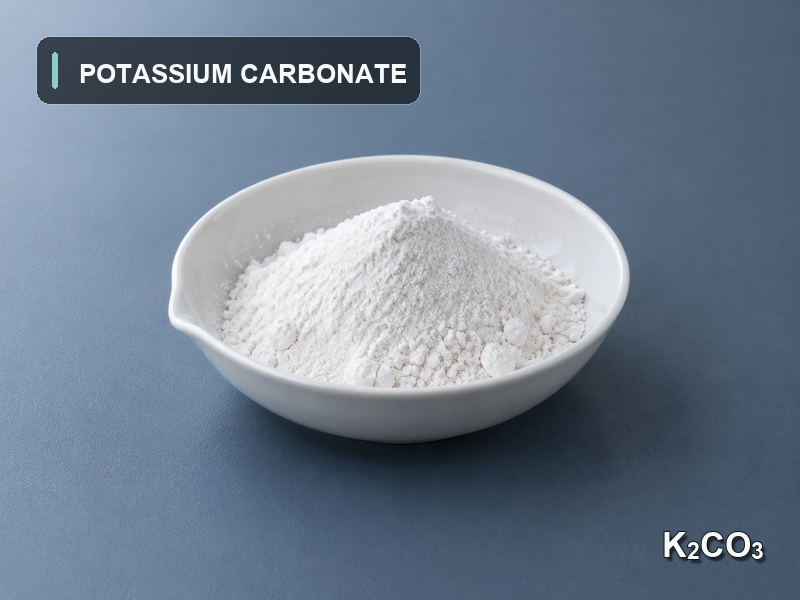
High Solubility Potassium Carbonate for Industrial Processing
Product Attributes
| Attribute | Selection Reference |
| Product | Potassium Carbonate |
| Grade coverage | Industry grade |
| Chemical identity | K2CO3 |
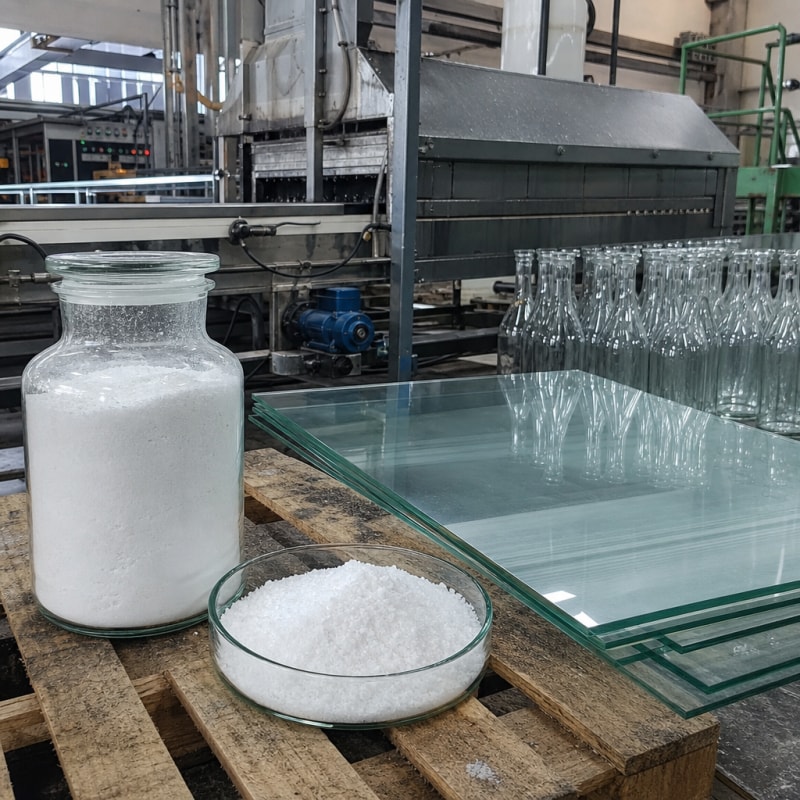
| Typical appearance | white hygroscopic powder or granules |
| Main specification points | K2CO3 assay; chloride; sulfate; iron; insolubles; loss on drying; pH |
| Packing options | 25 kg moisture-barrier bags, fiber drums, or 500–1,000 kg bulk bags |
Specification note: This table guides grade discussion and is not a guaranteed analysis. Contract documents define test basis, limits, and shelf life.
Product Description
Customers evaluating Potassium Carbonate can source Industry grade material described as white hygroscopic powder or granules. The offer is configured around the performance required at the user’s site and the controls needed for transport and receipt. Technical dialogue before quotation helps identify whether chemistry, particle behavior, concentration, color, documentation, or another attribute will decide acceptance.
Material Profile and Production
Production involves potassium hydroxide or another qualified potassium source is carbonated, purified, concentrated, dried, and granulated or milled. Raw-material status, key process observations, and final inspection are captured in the batch history. Particular attention is paid to preventing foreign matter and mix-ups during the packing changeover. This history complements laboratory results when customers complete supplier or product qualification.
Key Applications and Process Value
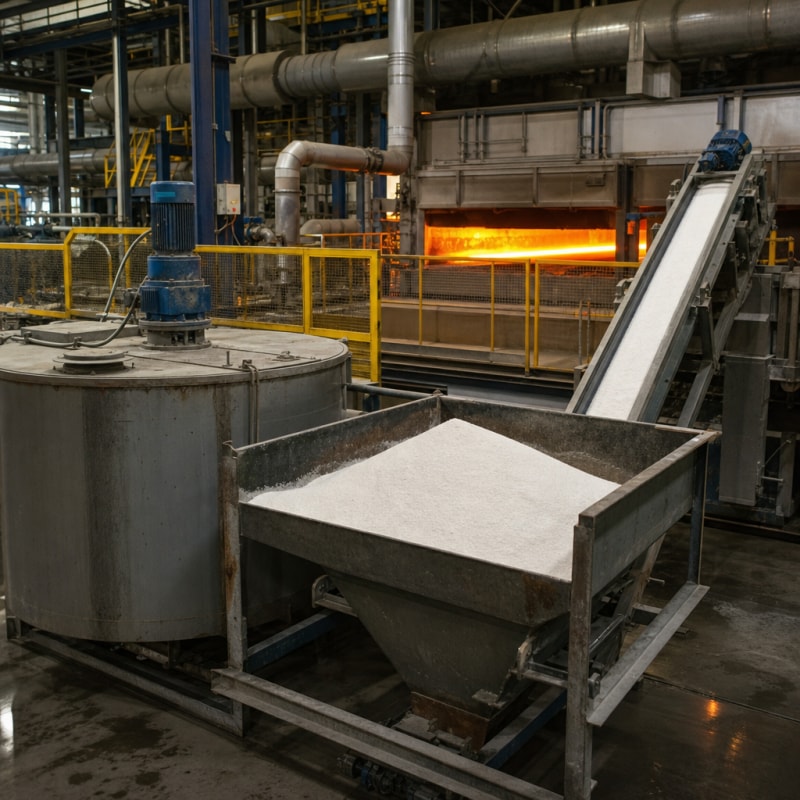
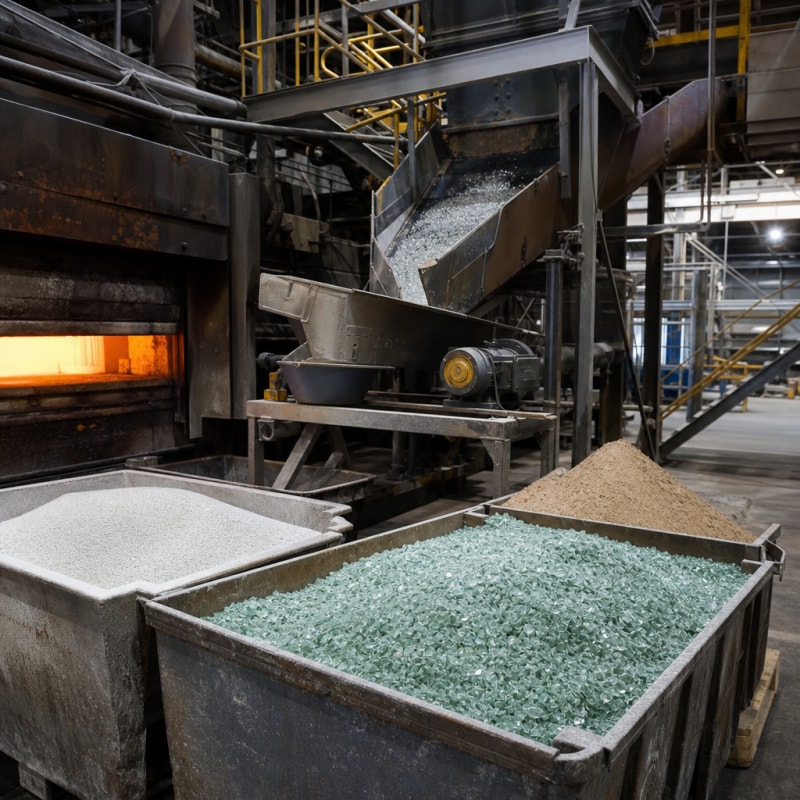
The product can support specialty glass, potassium silicates, soap and detergent manufacture, gas treatment, chemical synthesis, dyes, ceramics, and process pH adjustment. Performance is application-specific, so laboratory screening should be followed by a controlled production trial. Useful trial records include batch temperature, concentration, residence time, observed dispersion or reaction behavior, yield, and the final quality measure that determines commercial success.
Before full conversion, run the material through the intended addition and mixing sequence. A result that looks satisfactory in a beaker may change with plant shear, residence time, water quality, or heat transfer, so scale-up criteria should be agreed by process and quality personnel.
Quality Assurance and Buyer Qualification
Analytical confirmation covers potassium carbonate assay, moisture, chloride, sulfate, iron, insoluble matter, pH, and physical form. Sampling follows the applicable internal or contracted procedure, since poor sampling can outweigh laboratory precision. Nonstandard impurity limits and customer-specific performance tests are accepted only after method, frequency, and responsibility have been agreed.
Safe Handling and Storage
Strongly alkaline and readily absorbs moisture. Keep tightly closed, use eye and skin protection, segregate from acids, and control heat when dissolving concentrated solutions. Transfer equipment and containers must be compatible with the ordered grade. Inspect damaged packs before movement, keep incompatible materials separated, and train operators to follow the SDS and local occupational rules during sampling, charging, housekeeping, and waste collection.
Packaging, Shipping, and Service
The proposed logistics format is 25 kg moisture-barrier bags, fiber drums, or 500–1,000 kg bulk bags. Moisture protection, pallet pattern, container utilization, and segregation are adjusted where the material demands it. Order-specific terms cover production window, freight responsibility, payment, and documents. Customers should keep the affected lot and photographs if requesting an after-sales investigation.
A focused inquiry should include use, volume, destination, and decisive parameters. Customer trials and regulatory review determine final adoption.