High Purity Oxalic Acid for Precision Cleaning
Product Attributes
| Attribute | Selection Reference |
| Product | Oxalic Acid |
| Grade coverage | Industry grade / electronic grade |
| Chemical identity | H2C2O4·2H2O or anhydrous basis specified |
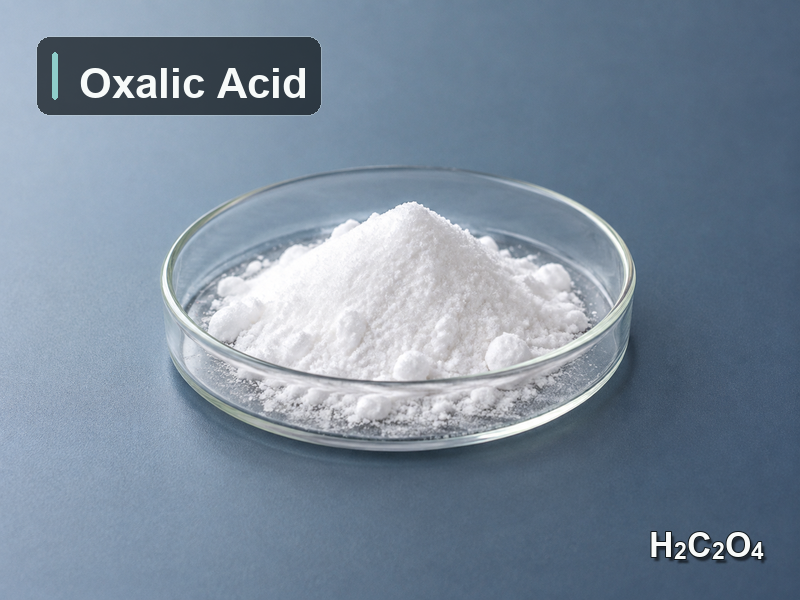
| Typical appearance | white crystalline powder |
| Main specification points | Assay; water; sulfate; chloride; iron; heavy metals; evaporation residue; particle cleanliness |
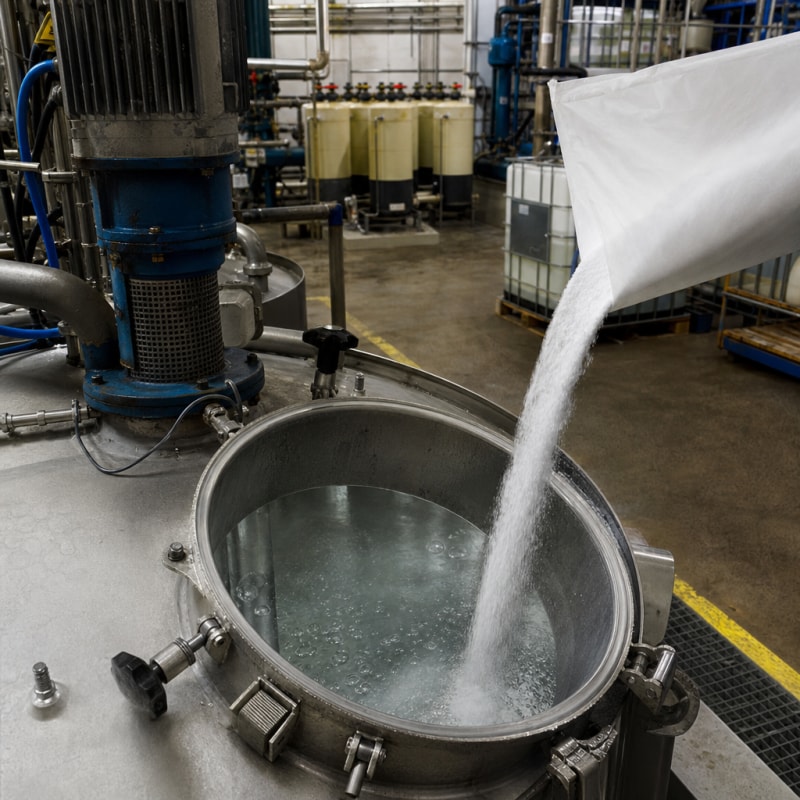
| Packing options | 25 kg lined bags for industry grade; clean double liners and sealed drums for electronic grade |
Specification note: Reference descriptors do not supersede a COA or contract. Ask for the relevant grade sheet during qualification.
Product Description
Oxalic Acid is supplied for buyers who need a practical balance between chemical consistency, plant handling, and application performance. The offered Industry grade / electronic grade material is presented as white crystalline powder. Its role is best evaluated against the customer’s process rather than by a single assay number: feed method, temperature, contact time, companion ingredients, and downstream limits can all affect the result.
Material Profile and Production
Manufacture uses crude acid is purified by dissolution, filtration, recrystallization, separation, and clean drying; electronic grade receives tighter contamination controls. The finishing stage is especially important because physical form can influence feeding and contact with other materials. Production records connect the chosen raw-material lots with operating conditions and the final pack code, giving the buyer a practical route for investigating unexpected plant results.
Key Applications and Process Value
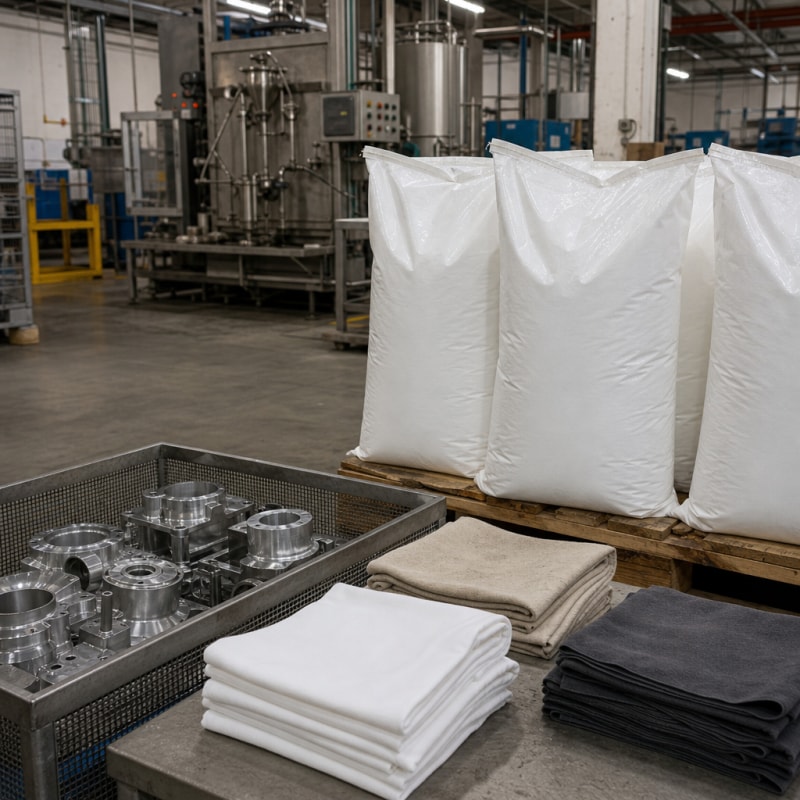
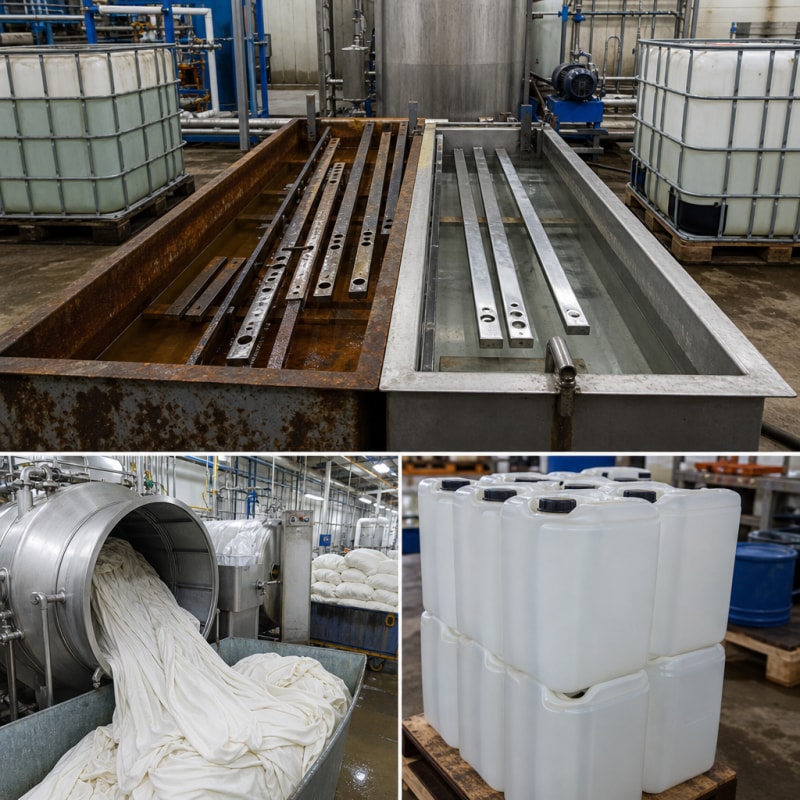
This material is considered for metal cleaning, rust and scale removal, rare-earth processing, textile and wood treatment, chemical synthesis, and controlled cleaning in electronics-related manufacturing. It should enter a process only after compatibility and performance have been checked at an appropriate scale. The qualification record should state the tested lot, actual addition procedure, baseline material, observations, analytical outcome, and authority responsible for final technical approval.
A staged trial—laboratory, pilot, then controlled plant batch—reduces scale-up uncertainty. Analytical results should be paired with operator observations because flow, dusting, odor, foaming, deposit formation, or ease of cleanup may affect adoption even when the final test passes.
Quality Assurance and Buyer Qualification
Analytical confirmation covers assay, hydration state, sulfate, chloride, iron, heavy metals, insoluble matter, residue, and electronic-grade lot cleanliness. Sampling follows the applicable internal or contracted procedure, since poor sampling can outweigh laboratory precision. Nonstandard impurity limits and customer-specific performance tests are accepted only after method, frequency, and responsibility have been agreed.
Safe Handling and Storage
Toxic if swallowed and harmful through significant exposure; also corrosive to eyes and skin. Avoid dust, wear suitable PPE, prevent contact with oxidizers, and validate substrate compatibility and rinse removal. The current safety data sheet should be reviewed by the receiving site before delivery. Local risk assessment must set ventilation, personal protection, spill controls, first-aid readiness, disposal route, and worker training appropriate to the quantity handled.
Packaging, Shipping, and Service
Packing options are 25 kg lined bags for industry grade; clean double liners and sealed drums for electronic grade. The dispatch team checks quantities and marks against the order and selects carriers suited to the cargo. Tell us early about language rules, shelf-life-on-arrival, pallet fumigation, or consignee document formats, as late changes can delay customs preparation and loading.
A focused inquiry should include use, volume, destination, and decisive parameters. Customer trials and regulatory review determine final adoption.