High Efficiency Polyaluminium Chloride for Water Clarification
Product Attributes
| Attribute | Selection Reference |
| Product | Polyaluminium Chloride |
| Grade coverage | Water-treatment grade; drinking-water or industrial grade specified |
| Chemical identity | Aln(OH)mCl(3n-m) |
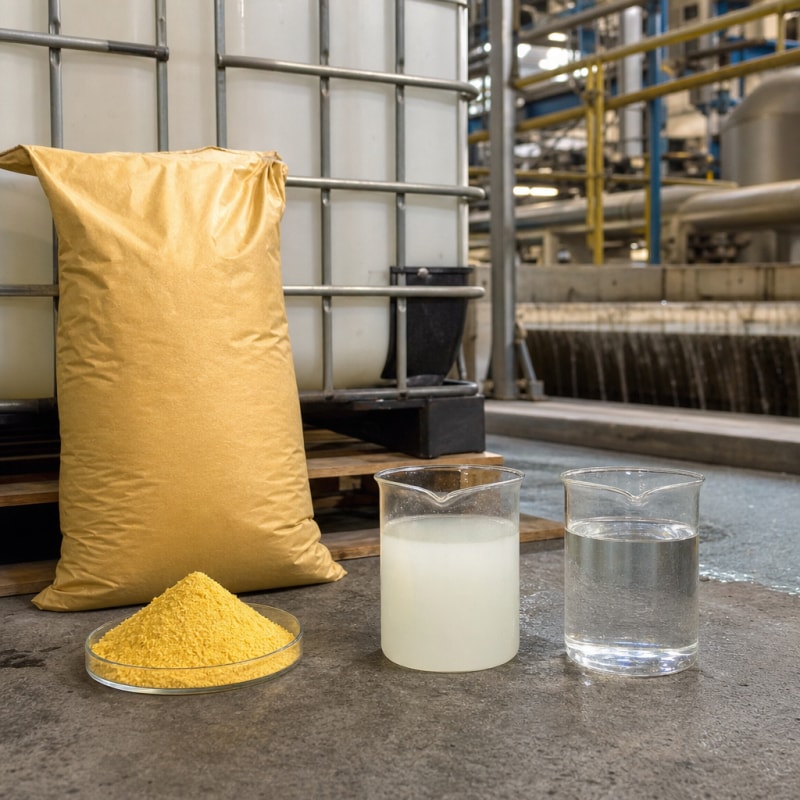
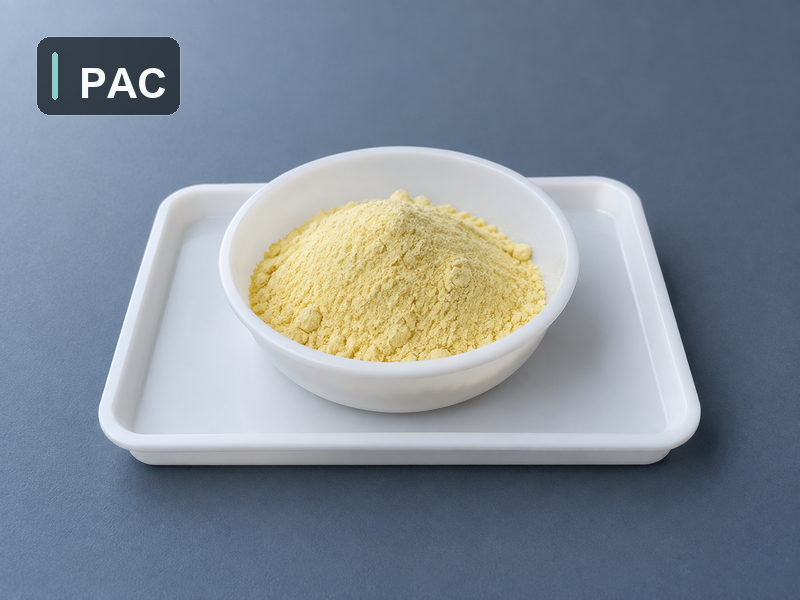
| Typical appearance | pale-yellow to yellow powder or amber liquid |
| Main specification points | Al2O3; basicity; insolubles; pH; iron; arsenic/heavy metals; bulk density |
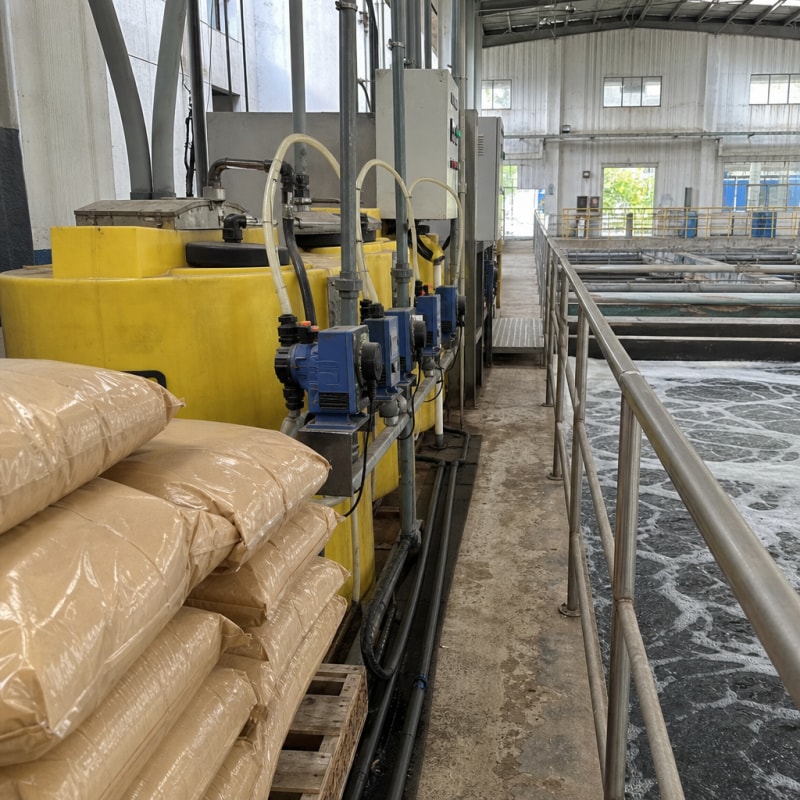
| Packing options | 25 kg lined bags for powder; 250 kg drums, 1,000 kg IBCs, or bulk tankers for liquid |
Specification note: This table guides grade discussion and is not a guaranteed analysis. Contract documents define test basis, limits, and shelf life.
Product Description
For processes where raw-material variation quickly becomes lost yield, Polyaluminium Chloride offers a controlled and traceable input. The contracted grade is Water-treatment grade; drinking-water or industrial grade specified, with a normal appearance of pale-yellow to yellow powder or amber liquid. Specification selection starts with the intended use, then narrows the critical chemistry and physical properties that influence storage, dosage, reaction rate, and finished-product acceptance.
Material Profile and Production
At production scale, the material is obtained by aluminum-bearing raw materials and hydrochloric acid are reacted and polymerized to controlled basicity, then clarified and optionally spray dried. Intermediate checks guide the timing of separation and finishing. After the product reaches its required form, it is protected from conditions that could change its moisture, chemistry, or appearance. Pack labels preserve the link between the sale unit and its release data.
Key Applications and Process Value
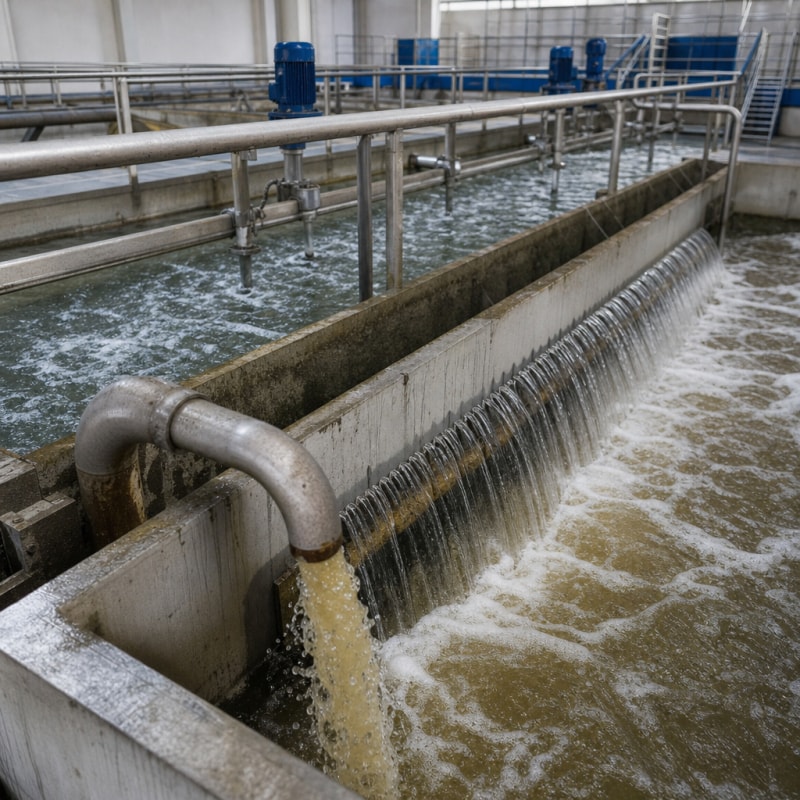
The product can support municipal drinking-water treatment where certified, industrial wastewater clarification, phosphorus removal, paper processing, sludge conditioning, and raw-water pretreatment. Performance is application-specific, so laboratory screening should be followed by a controlled production trial. Useful trial records include batch temperature, concentration, residence time, observed dispersion or reaction behavior, yield, and the final quality measure that determines commercial success.
Before full conversion, run the material through the intended addition and mixing sequence. A result that looks satisfactory in a beaker may change with plant shear, residence time, water quality, or heat transfer, so scale-up criteria should be agreed by process and quality personnel.
Quality Assurance and Buyer Qualification
Release review includes alumina content, basicity, water-insoluble matter, pH, iron, grade-specific arsenic and heavy metals, appearance, and coagulation testing. The agreed test method matters because preparation and instrument conditions can change the reported value. A lot-specific certificate can accompany shipment, while additional inspection or witnessed sampling is arranged only when it is included in the purchase terms.
Safe Handling and Storage
Optimize dose and pH by jar test because raw-water alkalinity, temperature, turbidity, and organic load change performance. Store dry powder sealed; protect liquid from freezing and incompatible alkalis. Keep the product in its designated storage zone and protect it from incompatible conditions. Personnel should know the location of washing facilities, spill equipment, and emergency contacts. Refer to the SDS for precise toxicological, firefighting, and transport information.
Packaging, Shipping, and Service
The material may be delivered in 25 kg lined bags for powder; 250 kg drums, 1,000 kg IBCs, or bulk tankers for liquid. Route selection accounts for stability and legal transport status. Pricing is matched to grade, volume, pack, and destination rather than treated as a universal list price. Technical questions, sample feedback, and documented nonconformities are directed to the responsible commercial and quality contacts.
A grade comparison and evaluation sample can be coordinated when feasible; the customer retains responsibility for approving suitability and legal use.