

Heat Resistant Aluminum Oxide Fiber for Insulation
Product Attributes
| Attribute | Selection Reference |
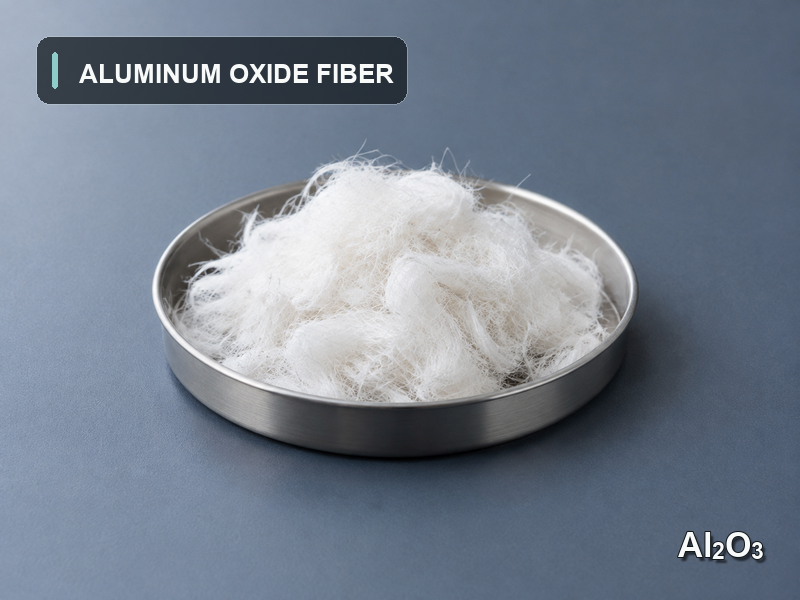
| Product | Aluminum Oxide Fiber |
| Grade coverage | Industry grade |
| Chemical identity | Al2O3-rich polycrystalline fiber |
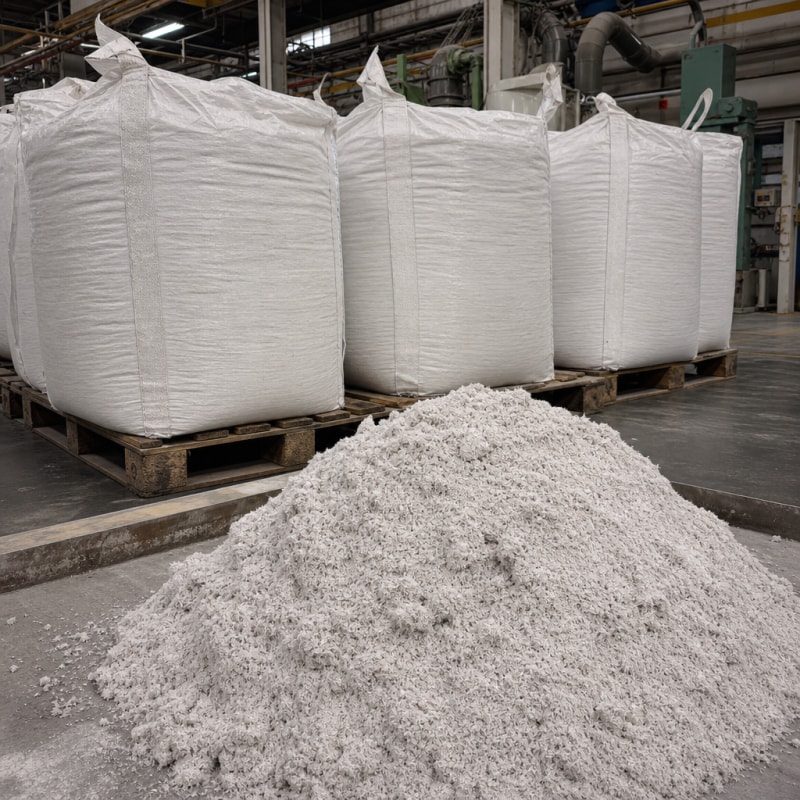
| Typical appearance | white chopped fiber, bulk fiber, felt, or buyer-specified format |
| Main specification points | Alumina content; fiber diameter; shot content; thermal shrinkage; length; loss on ignition |
| Packing options | compressed cartons, moisture-protected bags, rolls, or custom crates depending on fiber form |
Specification note: Reference descriptors do not supersede a COA or contract. Ask for the relevant grade sheet during qualification.
Product Description
This Aluminum Oxide Fiber supply is built around repeatable industrial use and buyer-defined acceptance criteria. Available grade coverage is Industry grade; physical presentation is white chopped fiber, bulk fiber, felt, or buyer-specified format. Each quotation can identify the exact grade, testing basis, packaging configuration, and documents so technical, purchasing, and logistics teams work from the same product definition.
Material Profile and Production
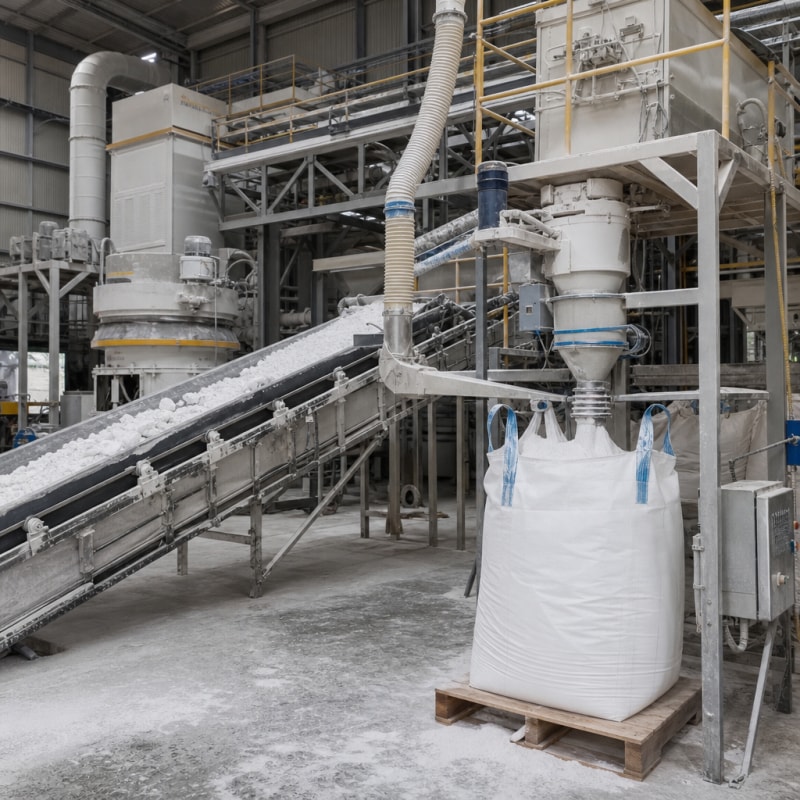
The supply chain begins with qualified inputs and proceeds through precursor preparation, fiber formation, controlled heat treatment, and sizing or chopping according to the required downstream format. Critical settings are recorded, and off-size or visibly unsuitable material is separated during finishing. When a customer’s equipment has a narrow operating window, the desired physical attribute should be named in the inquiry instead of assuming every commercial grade will process identically.
Key Applications and Process Value
This material is considered for high-temperature insulation, furnace linings, catalyst supports, kiln components, filtration media, composite reinforcement, and thermal barriers. It should enter a process only after compatibility and performance have been checked at an appropriate scale. The qualification record should state the tested lot, actual addition procedure, baseline material, observations, analytical outcome, and authority responsible for final technical approval.
A staged trial—laboratory, pilot, then controlled plant batch—reduces scale-up uncertainty. Analytical results should be paired with operator observations because flow, dusting, odor, foaming, deposit formation, or ease of cleanup may affect adoption even when the final test passes.
Quality Assurance and Buyer Qualification
The laboratory checks chemical composition, average diameter, fiber-length range, shot level, ignition loss, thermal shrinkage, and visual cleanliness. Results are compared with the authorized specification, then linked to the finished-lot number. Buyers with unusually tight limits should provide their analytical method during inquiry so correlation work can be discussed before commercial quantities are made.
Safe Handling and Storage
Avoid generating airborne fibers during cutting or installation. Use ventilation, protective clothing, gloves, and appropriate respiratory and eye protection; consult the SDS for workplace exposure controls. Good housekeeping protects both people and product quality. Minimize residues on floors and equipment, avoid uncontrolled discharge, and close partly used packs promptly. A competent site professional should approve task-specific PPE and response measures.
Packaging, Shipping, and Service
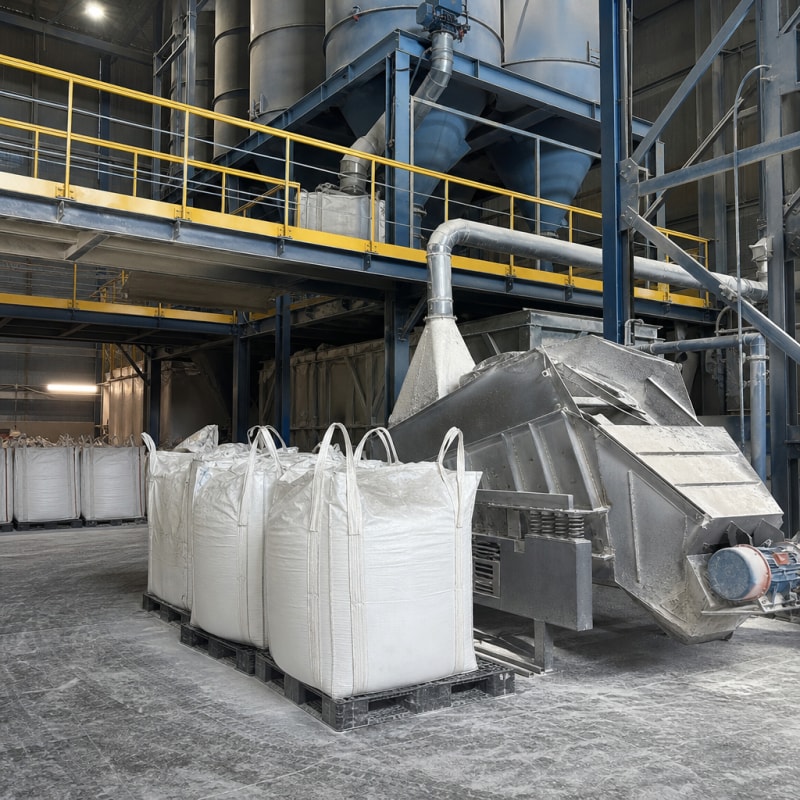
Routine shipment uses compressed cartons, moisture-protected bags, rolls, or custom crates depending on fiber form. Alternative weights may be evaluated for manual handling, warehouse racking, and freight efficiency. Sample availability and courier restrictions vary by product. The accepted sales confirmation—not the webpage—sets delivery date, Incoterm, payment schedule, and documentary obligations.
Share the present specification and trial target for technical review. Routine use begins only after the buyer completes its own process and compliance approval.