Food Grade Monocalcium Phosphate for Controlled Leavening
Product Attributes
| Attribute | Selection Reference |
| Product | Calcium Dihydrogen Phosphate |
| Grade coverage | Food grade |
| Chemical identity | Ca(H2PO4)2, supplied in hydrated or anhydrous form as specified |
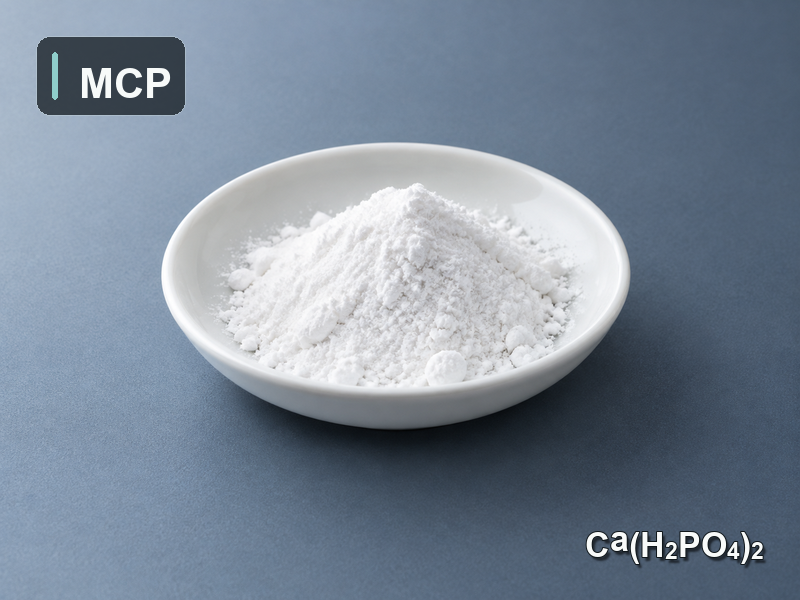
| Typical appearance | white crystalline powder or granule |
| Main specification points | Assay; phosphorus; calcium; pH; loss on drying; fluoride; heavy metals |
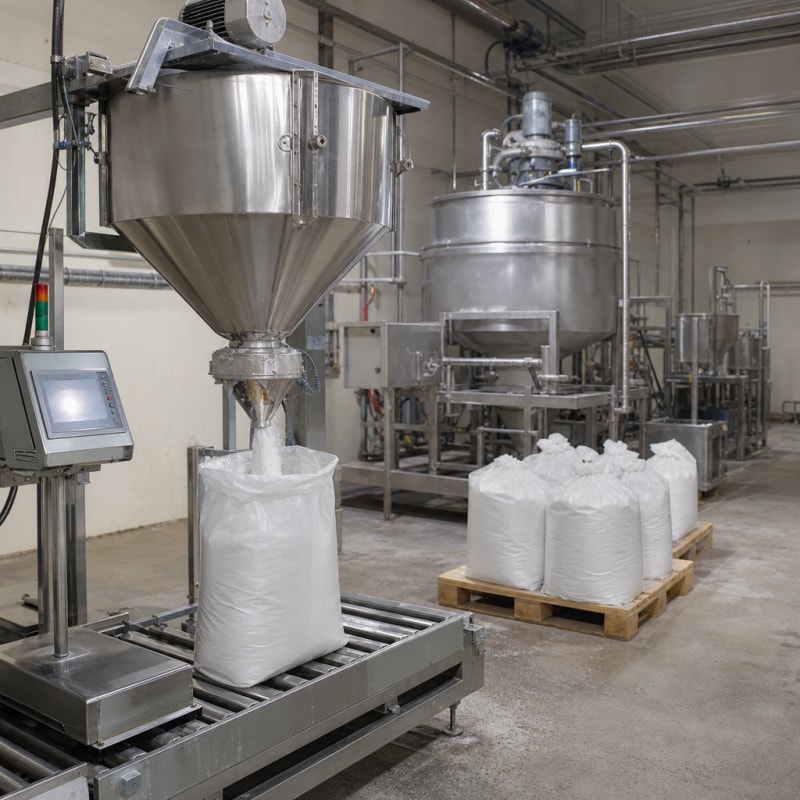
| Packing options | 25 kg food-contact multiwall bags with heat-sealed polyethylene liners |
Specification note: This table guides grade discussion and is not a guaranteed analysis. Contract documents define test basis, limits, and shelf life.
Product Description
The Calcium Dihydrogen Phosphate range addresses Food grade purchasing needs with white crystalline powder or granule as its standard physical description. A useful product definition includes the application, decisive test properties, pack, and destination—not merely the common chemical name. This page therefore presents selection guidance while reserving contractual values for the agreed specification and lot certificate.
Material Profile and Production
A typical batch follows food-qualified phosphoric acid and calcium source are reacted, purified, crystallized or granulated, dried, and screened. In-process observations help operators keep the conversion and physical presentation within the planned range. The final material is homogenized where appropriate, sampled, and isolated by lot. Requirements outside the normal offer are reviewed jointly by production and quality teams before being promised.
Key Applications and Process Value
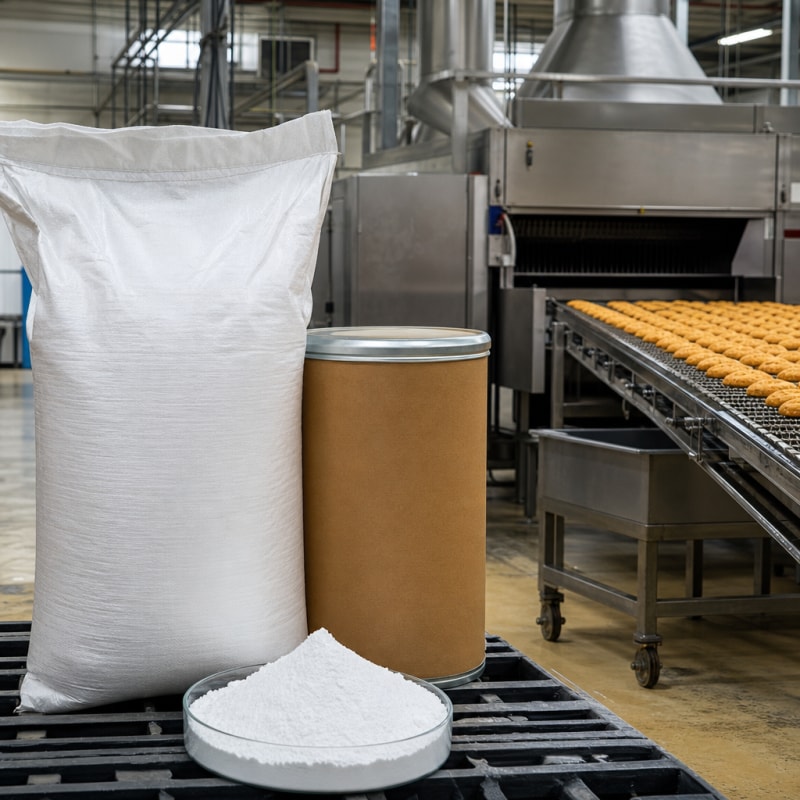
The product can support baking-powder systems, flour treatment where permitted, calcium and phosphate fortification, dry premixes, and selected food-processing applications. Performance is application-specific, so laboratory screening should be followed by a controlled production trial. Useful trial records include batch temperature, concentration, residence time, observed dispersion or reaction behavior, yield, and the final quality measure that determines commercial success.
Before full conversion, run the material through the intended addition and mixing sequence. A result that looks satisfactory in a beaker may change with plant shear, residence time, water quality, or heat transfer, so scale-up criteria should be agreed by process and quality personnel.
Quality Assurance and Buyer Qualification
A shipment is not released on appearance alone. Its assessment includes identity, assay, calcium and phosphorus, pH, moisture or loss on drying, fluoride, lead and other standard-specified contaminants, together with label and packing checks. Certificates report actual or conforming results according to the approved format; purchasers should identify destination-specific standards at the quotation stage.
Safe Handling and Storage
Store away from humidity and alkaline materials. Its neutralizing value and reaction rate should be matched with bicarbonate and process timing. Food use is conditional on the buyer’s formulation and local additive law. Receiving inspection should confirm that closures are sound and the label matches the order. Quarantine leaking or unidentified units. Sampling and repacking require suitable containment because these short operations can create more direct exposure than closed routine processing.
Packaging, Shipping, and Service
Packing options are 25 kg food-contact multiwall bags with heat-sealed polyethylene liners. The dispatch team checks quantities and marks against the order and selects carriers suited to the cargo. Tell us early about language rules, shelf-life-on-arrival, pallet fumigation, or consignee document formats, as late changes can delay customs preparation and loading.
Support may include data exchange, sample coordination, and response to qualification questions; it does not replace the user’s technical authorization.