Fine Industrial Aluminium Hydroxide for Flame Retardancy
Product Description
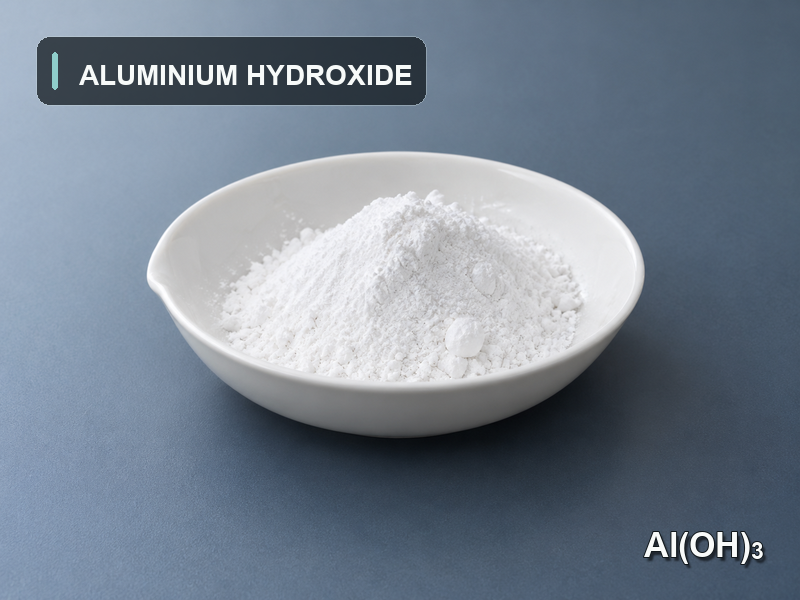
Specified as Industry grade, Aluminium Hydroxide gives formulators and plant teams a clearly identified commercial input in the form of white fine powder. The supply discussion connects composition with the way the material will be received and processed. Confirming those details early reduces ambiguity between similarly named grades and creates a sound basis for sampling, approval, and repeat purchasing.
Product Attributes
Attribute |
Selection Reference |
Product |
Aluminium Hydroxide |
Grade coverage |
Industry grade |
Chemical identity |
Al(OH)3 |
Typical appearance |
white fine powder |
Main specification points |
Al(OH)3; moisture; whiteness; particle size; oil absorption; soluble alkali; iron |
Packing options |
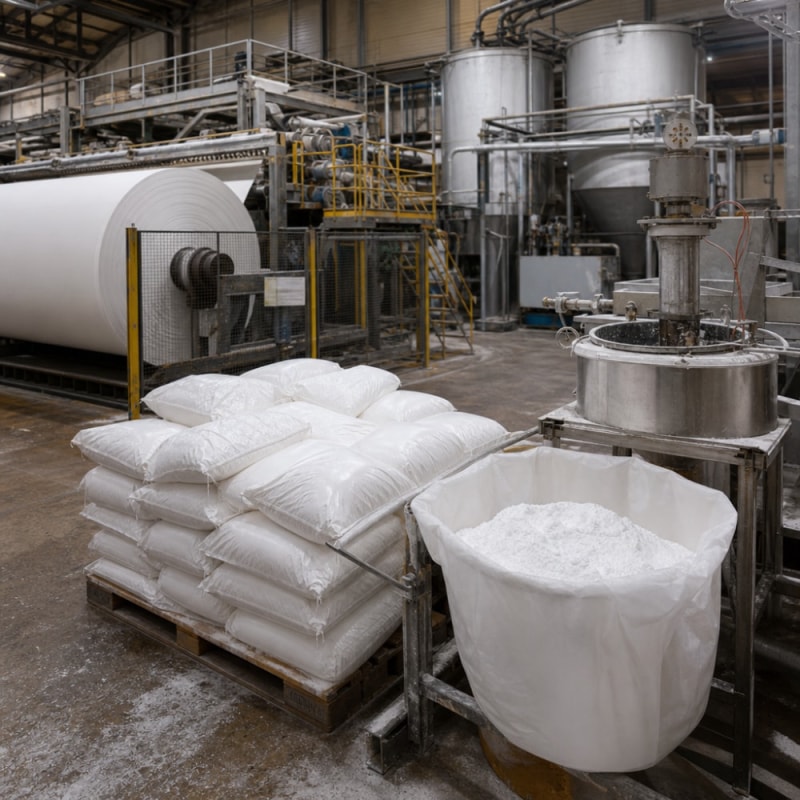
25 kg paper-plastic bags or 500–1,000 kg bulk bags with moisture protection |
Specification note: Specification, regulatory basis, and remaining shelf life are order-specific and must be confirmed in writing.
Material Profile and Production
This grade is prepared through sodium aluminate liquor is precipitated under controlled conditions, washed, filtered, dried, and classified to the target particle profile. Control of the last production steps determines how readily the material can be transferred, mixed, dissolved, or reacted at the user’s site. Finished units receive a lot reference, net-weight check, and closure inspection before they are cleared for warehouse release.
Key Applications and Process Value
Its functional scope covers halogen-free flame-retardant compounds, wire and cable, engineered plastics, solid-surface materials, coatings, ceramics, and alumina intermediates. Grade screening can begin with documentary comparison, but process behavior must ultimately be demonstrated by the user. Defining the target and non-negotiable limits before the trial prevents an apparent improvement in one property from creating an overlooked problem elsewhere in production.
For a new formulation, establish the addition point and expected mechanism before adjusting dose. Changing several ingredients at once makes results difficult to interpret. A documented single-variable comparison provides stronger evidence for technical approval and future troubleshooting.
Quality Assurance and Buyer Qualification
Routine approval focuses on aluminium hydroxide content, moisture, particle distribution, whiteness, soluble sodium, iron, oil absorption, and thermal response. The release decision also verifies package identity and condition. A sample COA can be used to align parameter names and units, but it does not replace the signed specification governing the actual order.
Safe Handling and Storage
Control nuisance dust during charging and blending. Keep the powder dry, close partly used bags, and verify dispersion and loading in the customer’s resin, plasticizer, or coating system. The current safety data sheet should be reviewed by the receiving site before delivery. Local risk assessment must set ventilation, personal protection, spill controls, first-aid readiness, disposal route, and worker training appropriate to the quantity handled.
Packaging, Shipping, and Service
The material may be delivered in 25 kg paper-plastic bags or 500–1,000 kg bulk bags with moisture protection. Route selection accounts for stability and legal transport status. Pricing is matched to grade, volume, pack, and destination rather than treated as a universal list price. Technical questions, sample feedback, and documented nonconformities are directed to the responsible commercial and quality contacts.
Product data can support screening and sample selection, while the receiving organization controls formulation, operating limits, and market authorization.