Ferro Silicon Alloy for Steelmaking and Foundry Applications
Product Description
Ferro Silicon is an iron-silicon alloy selected for controlled silicon addition in metallurgical operations. It can support oxygen removal from molten steel, adjustment of final silicon content, and preparation of certain inoculant or alloying systems. Because grade chemistry and particle size influence dissolution rate, recovery, slag behavior, and handling, the supply should be matched to the buyer's furnace practice rather than chosen by product name alone.
Commercial discussions can cover the requested silicon range, restricted elements, physical size, fines limit, packing, inspection basis, and shipment documents. These details create a clear reference for technical trials, incoming inspection, and repeat orders. No composition value shown in general marketing material should replace the mutually approved specification or the certificate of analysis for the delivered lot.
Product Attributes
Attribute |
Selection Reference |
Product |
Ferro Silicon |
Product category |
Metallurgical mineral alloy |
Chemical identity |
Fe-Si alloy |
Typical appearance |
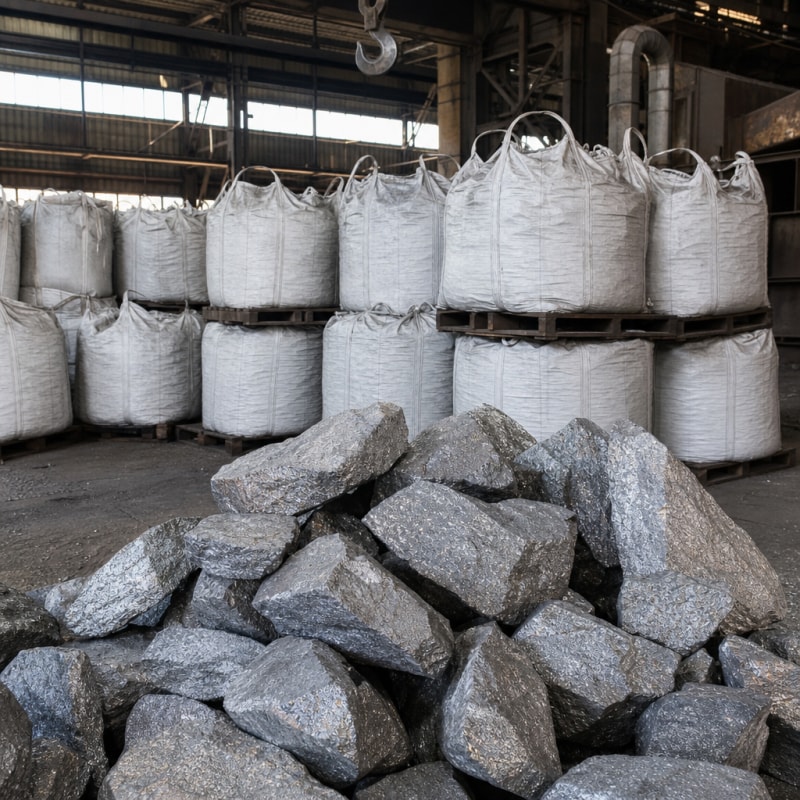
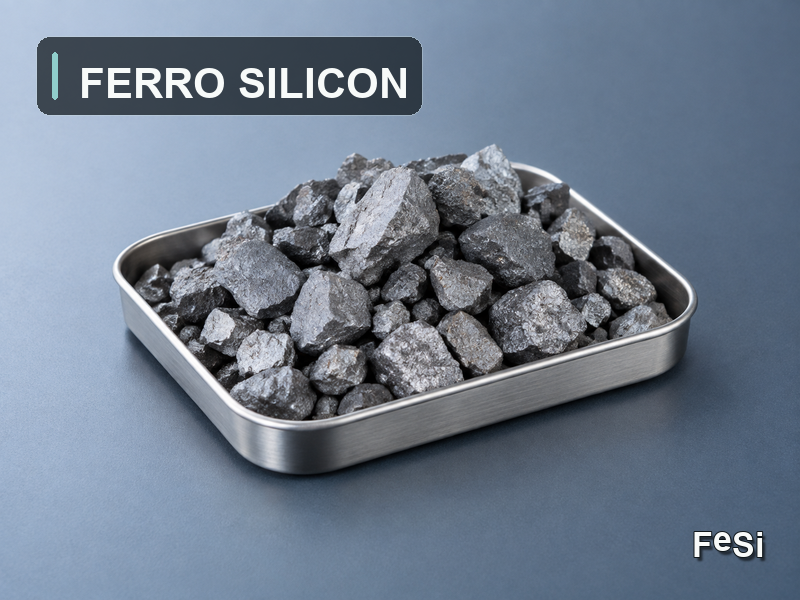
Metallic grey lumps, crushed pieces, or screened granules |
Main specification points |
Silicon; aluminum; calcium; carbon; sulfur; phosphorus; trace elements; particle size; fines |
Packing options |
25 kg bags, buyer-agreed small bags, or approximately 1,000 kg bulk bags |
Raw Materials and Production Process
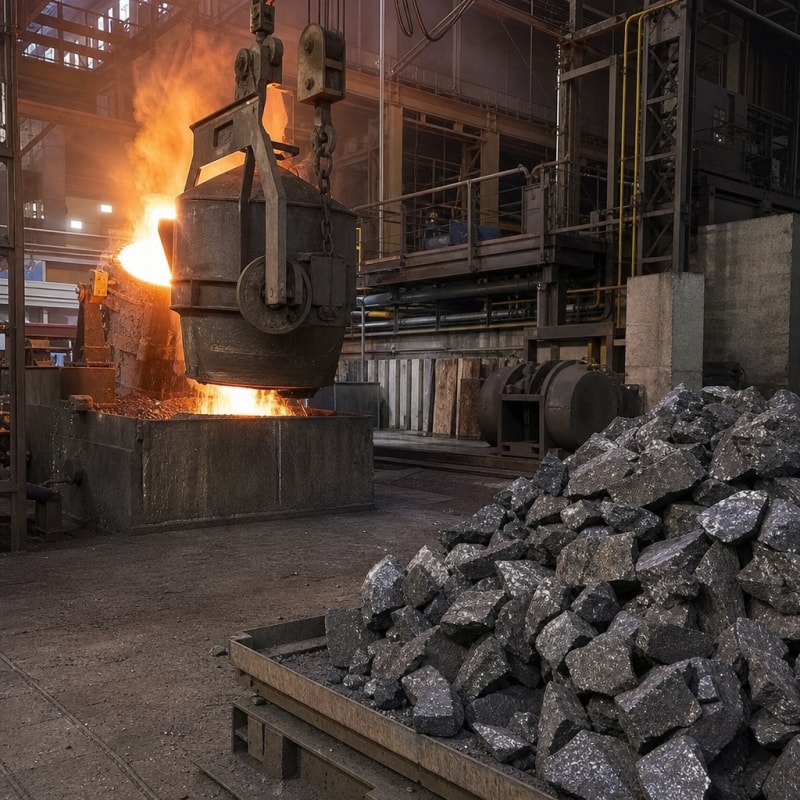
Ferro Silicon is generally produced by carbothermic reduction of silica-bearing material in the presence of iron sources in an electric furnace. Raw-material selection, furnace conditions, tapping, casting, cooling, crushing, and screening all contribute to the consistency of the finished alloy. After solidification, the material is conditioned to the ordered size range, and excessive fines or visibly unsuitable pieces are separated where required.
Lot blending and representative sampling help reduce variation within a shipment. The physical form deserves the same attention as chemistry: very large pieces may dissolve slowly in some operations, while excessive fines can increase dust, oxidation loss, segregation, or handling difficulty. Buyers should therefore state the charging equipment, preferred lump range, and acceptable fines level when requesting a quotation.
Key Applications and Process Value
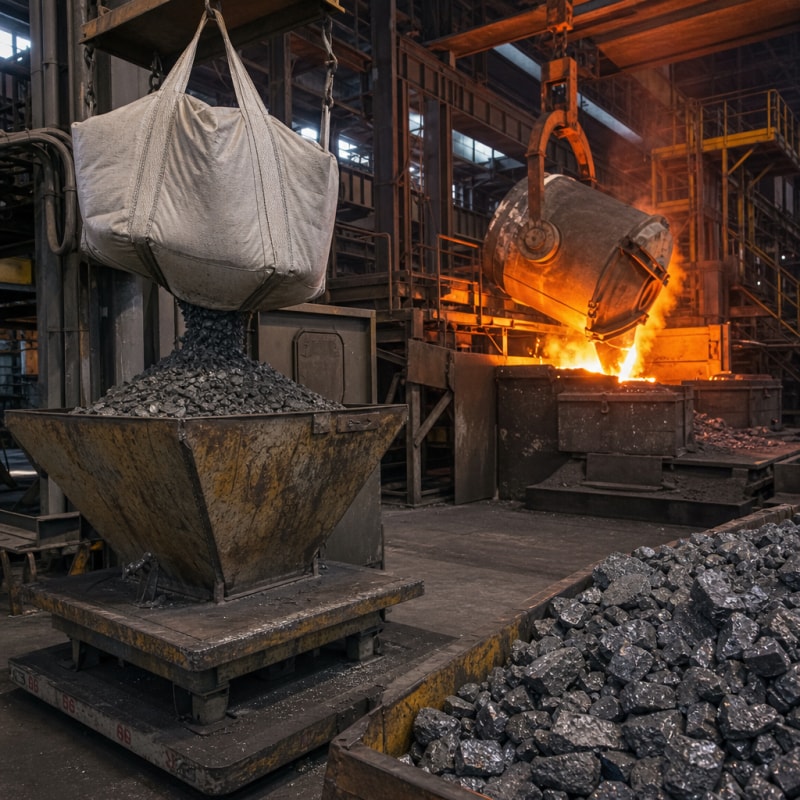
Ferro Silicon is widely evaluated as a deoxidizer and silicon alloying material in carbon steel, low-alloy steel, stainless steel, and other metallurgical production. Foundries may also use suitable grades for silicon correction, graphitization support, or as a base material in the preparation of inoculants and nodularizing alloys. Additional demand can come from ferroalloy manufacture and selected mineral-processing applications.
Performance depends on bath temperature, slag condition, addition sequence, particle size, mixing, and residence time. During qualification, the user should compare silicon recovery, dissolution behavior, slag response, final chemistry, yield, and any effect on casting quality against the current production control. A staged plant trial is preferable to changing several charge materials at once, because it gives the technical team a defensible basis for dosage adjustment and approval.
Quality Assurance and Buyer Qualification
Finished-lot evaluation can include silicon content, aluminum, calcium, carbon, sulfur, phosphorus, customer-specified trace elements, visible contamination, particle-size distribution, and fines. Test results are reviewed against the authorized order specification and connected to the lot identification shown on the package. If the buyer uses an unusual sampling plan or analytical method, it should be shared before order confirmation so method correlation and reporting basis can be agreed.
A certificate of analysis may be issued for the shipment as applicable. Independent inspection, witnessed sampling, retained samples, or tighter impurity controls require prior agreement because they can affect manufacturing selection, testing time, and cost.
Safe Handling and Storage
Keep Ferro Silicon dry and segregated by grade and lot. Use mechanical handling practices that limit breakage, falling material, dust, and sharp-edge injuries. Fine alloy dust may present an inhalation or combustible-dust hazard under certain conditions; ignition sources should be controlled and ventilation, housekeeping, and protective equipment should follow the current safety data sheet and the site's risk assessment.
Some ferro silicon grades or contaminants may react with moisture and generate hazardous gases. Do not assume that all grades have identical storage or emergency requirements. Furnace charging must follow a qualified metallurgical procedure, with attention to dry additions, hot surfaces, molten-metal splash, and the response of the receiving bath.
Packaging, Shipping, and Service
Common export arrangements include 25 kg bags, buyer-agreed small bags, or approximately 1,000 kg bulk bags with clear product and lot identification. Moisture protection, palletization, container loading, and lifting configuration are selected according to pack size, transport route, and unloading equipment. The commercial offer can define net weight, destination, Incoterm, lead time, payment basis, and required documents.
Standard shipment paperwork may include the invoice, packing list, certificate of analysis, and safety data sheet. Certificates of origin, independent inspection, or destination-specific documents should be requested during inquiry. Final adoption remains subject to the purchaser's production trial, safety review, and regulatory approval.