Leave Your Message
Navigating the complex operational environments of the Antofagasta mineral belt, the Biobío pulp corridors, and Central Valley agro-industrial centers.
Chile holds the world's largest reserves of copper and lithium. In solvent extraction and electrowinning (SX-EW) circuits, mineral slurries and high-hardness process waters cause dense crystalline silica, calcium sulfate (gypsum), and bio-organic scaling across piping, heat exchangers, and cooling towers.
Chile's cellulose leaders operate extensive multi-effect black liquor evaporators. Organic lignin residues, calcium carbonate, and tall oil salts coat interior tube bundles, causing heat transfer failure that requires durable, high-concentration caustic washing solutions.
Chilean wine and fruit export sectors depend on sodium hydroxide to saponify grease, digest pectins, and dissolve insoluble potassium bitartrate scale inside stainless steel fermentation tanks, crushers, and centrifuge systems without scratching contact surfaces.
In Chile's dynamic industrial ecosystem, scaling is not simply a maintenance nuisance—it represents a severe bottleneck affecting operational productivity, fuel consumption, and capital equipment longevity. From the hyper-arid Atacama desert to the humid, forested southern regions of Araucanía and Los Lagos, Chilean industrial installations encounter extreme water chemistry variations.
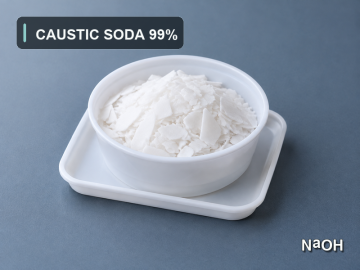
Durable caustic soda (sodium hydroxide, NaOH ≥ 99%) functions as the primary chemical agent for heavy alkaline descaling. Unlike mild alkalis that fail to dissolve tightly bonded organic-inorganic hybrid scales, high-purity caustic soda penetrates dense matrix layers through alkaline hydrolysis, saponification, and complex ion exchange.
With Chile's rigorous environmental commitments under the Superintendencia del Medio Ambiente (SMA) and the adoption of modern zero-liquid-discharge (ZLD) protocols, procurement teams must source consistent, low-iron, low-chloride caustic soda flakes and pearls to guarantee maximum cleaning efficacy with minimal secondary wastewater sludge.
Understanding the molecular mechanisms of alkaline dissolution, chelation synergies, and heat transfer restoration.
Industrial descaling is often mistakenly viewed solely through an acid-washing lens. While hydrochloric or sulfamic acids eliminate simple calcium carbonate, many Chilean industrial processes generate tenacious scales consisting of silicate matrices, iron oxides, organic polymers, fatty acids, and bio-films. In these demanding conditions, acid treatment merely etches base metals while leaving the silicate and organic binders intact.
1. Hydrolysis and Organic Digestion: In kraft pulp digestors and winery vessels, scales are locked inside polymeric organic lattices. Durable caustic soda aggressively saponifies fatty acids, cleaves peptide bonds, and dissolves polyphenolic resins, breaking the internal scaffolding that holds insoluble salts against metal walls.
2. Amphoteric Metal and Silica Solubilization: Under elevated pH (>12.5) and controlled thermal circulation (60°C to 85°C), caustic soda reacts with polymerized silica deposits, converting insoluble silicon dioxide ($SiO_2$) into water-soluble sodium silicate ($Na_2SiO_3$), allowing rapid flushing without mechanical abrasive scouring.
| Technical Parameter | RMG High-Purity Caustic Soda Grade |
|---|---|
| Chemical Formula | NaOH (≥ 99.0% Purity Mass Fraction) |
| Physical Form | Pure White Micro-Flakes / Spherical Pearls |
| Sodium Carbonate ($Na_2CO_3$) | ≤ 0.4% (Maximized reactive alkalinity) |
| Sodium Chloride ($NaCl$) | ≤ 0.03% (Protects stainless steel against pitting) |
| Iron ($Fe$) Content | ≤ 0.003% / 30 ppm (Prevents yellow discoloration) |
| Descaling Temperature Range | Ambient up to 90°C circulation CIP |
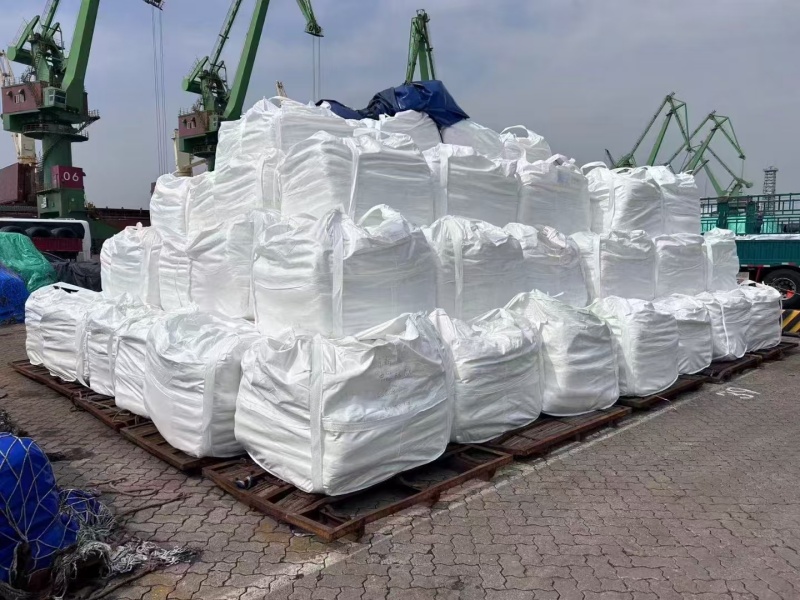
| Packaging Specs | 25kg Multi-ply PE Bags / 1000kg UV-resistant Big Bags |
RIVER AND MOUNTAIN GLOBAL LIMITED, also known as RMG, is a global chemical products supplier with more than 20 years of experience in the chemical industry.
We specialize in the export of chemical products used in glassware, printing and dyeing, water treatment, detergents, food and feed additives, fertilizers, desiccants, plastics, minerals, paper-making, and foaming agents.
With deep industry knowledge, reliable supplier resources, and a strong understanding of international markets, RMG helps global buyers solve key sourcing challenges: stable quality, competitive pricing, reliable supply, and efficient service.
Our products are sourced from national-level enterprises and trusted manufacturers, ensuring consistent product quality and long-term supply stability for customers worldwide.
At RMG, we focus on what matters most to chemical product buyers:
Competitive Price
We help customers control purchasing costs through strong sourcing capability and long-term supplier cooperation.
Reliable Product Source
Our supply network is built on qualified manufacturers with stable production capacity and quality assurance.
Stable Quality
We select products from reputable enterprises to reduce quality risk and support repeat purchasing.
Professional Service
From inquiry to shipment, our team responds quickly and supports customers with practical export experience.
Global Market Experience
With business covering 50+ countries and regions, we understand the needs of buyers across Asia-Pacific, Europe, North America, Latin America, the Middle East, Africa, and Oceania.
Analyzing water scarcity, the rise of seawater reverse osmosis (SWRO), and stringent ESG compliance.
Desalination CIP Pre-Treatment
As northern Chile transitions toward industrial seawater desalination for mining, mega-scale SWRO systems suffer rapid membrane bio-fouling and colloidal silica buildup. High-purity caustic soda is essential in alkaline clean-in-place cycles to restore membrane flux without damaging polyamide surfaces.
Maritime Shipping & Chilean Port Agility
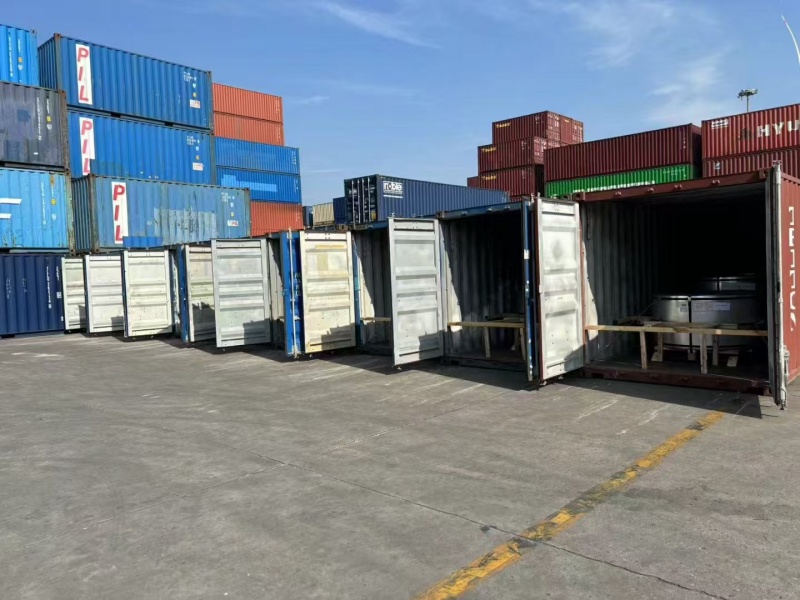
With major ports including San Antonio, Valparaíso, Mejillones, and Antofagasta facing periodic swells and congestions, Chilean chemical importers require suppliers with proven containerized logistics, sturdy moisture-barrier packaging, and flexible liner terms.
Decarbonization & Energy Conservation
A millimeter of persistent mineral scale inside boiler tubes or shell-and-tube condensers increases thermal energy consumption by up to 10%. Consistent preventive descaling with RMG caustic soda helps Chilean plants reduce heavy fuel oil and gas consumption to achieve corporate net-zero targets.
Our vision is to become a trusted long-term chemical supply partner for global buyers.
We believe that chemical trade is not only about price, but also about stability, responsibility, and trust. RMG is committed to building sustainable partnerships with customers who value consistent quality, reliable supply, and professional cooperation.
We aim to support customers in reducing sourcing risks, improving procurement efficiency, and gaining stronger competitiveness in their local markets.
Experience in the chemical industry
Global business coverage
Serving industries including water treatment, detergents, fertilizers, food and feed additives, paper-making, plastics, and more
Products sourced from national-level enterprises and reliable manufacturers
Standard operating recommendations for industrial engineers and maintenance supervisors.
For scrubbers and heat exchangers encrusted with gypsum and organic entrainment from diluents, prepare a 5% to 8% w/w caustic soda solution. Circulate at 65°C for 4 to 6 hours. The high alkalinity hydrolyzes residual organic extractants, collapsing the gypsum scale adhesion so it rinses out freely as soft sludge.
Perform periodically using a 10% to 15% caustic soda wash fortified with specialized wetting agents. Maintain turbulent velocity in tubes (>1.8 m/s). This converts stubborn polymerized sodium aluminosilicate scales into soluble monomeric compounds without causing chloride stress cracking in austenitic steel.
Circulate a 1.5% to 3.0% caustic soda solution through tank spray balls at 50°C. The hydroxyl ions ($OH^-$) immediately convert insoluble potassium bitartrate into highly soluble potassium sodium tartrate (Rochelle salt), dissolving millimeter-thick encrustations in under 45 minutes.
Facilities operating in the Andean altiplano (above 3,000m MSL) must account for lower water boiling points and intense humidity fluctuations. RMG’s double-layered polyethylene-lined bags prevent premature deliquescence and carbonate crusting during transit across Chilean mountain passes.
RMG was founded with a clear purpose: to make chemical product sourcing more reliable, more efficient, and more valuable for international buyers.
Over the past 20 years, we have witnessed the changing demands of the global chemical market. Buyers need more than a product list; they need a partner who understands market fluctuations, supply risks, documentation requirements, and long-term cooperation.
That is why RMG continues to focus on three core values: competitive pricing, dependable supply, and customer satisfaction. These values guide every quotation, every shipment, and every partnership we build.
Today, RMG continues to grow with customers around the world, providing chemical products and sourcing support across multiple industries and markets.
RMG serves customers in more than 50 countries and regions, with business coverage across:
Our wide market coverage allows us to respond to different purchasing needs, regional standards, and application requirements with greater flexibility.
RMG works closely with reliable chemical manufacturers and national-level enterprises to ensure product stability and supply continuity.
For global buyers, this means more than finding a supplier. It means working with a sourcing partner who can provide quality consistency, supply reliability, and long-term cooperation value.
Ensuring full alignment with Norma Chilena Oficial and international hazardous chemical logistics.
Importing and handling caustic soda in Chile necessitates strict compliance with Chilean national standards, specifically NCh382 (Sustancias Peligrosas - Clasificación general) and NCh2120/8 (Clase 8 - Sustancias Corrosivas). Sodium hydroxide is classified under UN 1823 (solid flakes/pearls) and Class 8 corrosive substances, which mandates certified UN-approved composite packaging to prevent puncture, moisture infiltration, and alkali leakage during long sea passages and transit on Route 5 (Ruta 5 Panamericana).
RMG coordinates comprehensive documentation required by the Chilean customs authority (Servicio Nacional de Aduanas) and health surveillance bodies (SEREMI de Salud). Each shipment is backed by verified Certificates of Analysis (COA), safety data sheets compliant with the Globally Harmonized System (GHS / NCh2245), and certified empty-container fumigation records. By eliminating non-compliant impurities such as heavy metals and excessive carbonates, RMG supports Chilean operators in sustaining smooth plant maintenance schedules while protecting personnel safety and reducing environmental remediation overheads.
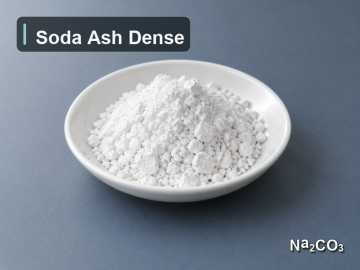
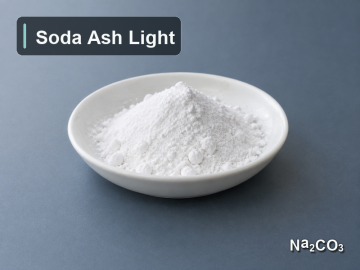
Select from our core inventory of high-purity caustic soda and soda ash designed for maximum descaling performance.