Leave Your Message
High-purity chemical agents tailored to enhance dried paper pulp dispersion, fiber swelling, brightener stability, and flame retardancy.
Exploring the physical chemistry of dried pulp sheet rehydration, fiber hornification management, and green chemical integration.
The global pulp and paper manufacturing sector relies heavily on dried paper pulp (market pulp) as an indispensable raw material commodity. Sourced from bleached and unbleached kraft softwood (NBSK), hardwood (BHKP), thermo-mechanical pulp (TMP), and high-grade recycled de-inked pulp (DIP), dried market pulp is baled, compressed, and dehydrated to roughly 90% air-dry consistency (10% moisture content) for international marine transport and transcontinental intermodal logistics. However, while drying raw cellulose fibers drastically lowers transit freight costs and prevents microbiological putrefaction, it initiates a fundamental physical-chemical challenge known as fiber hornification.
When virgin or recycled cellulose fibers undergo industrial thermal drying, the irreversible collapse of internal micro-capillaries and pore structures takes place. Intramolecular and intermolecular hydrogen bonds fuse adjacent cellulose microfibrils together, significantly reducing the specific surface area and water retention value (WRV). During subsequent paper-making pulp processing, paper mills encounter severe re-slushing resistance, increased specific energy consumption (SEC) in hydrapulpers, sluggish drainability on the wire section, and diminished tensile and bursting indices in the final paper sheet. Mitigating these structural deficits requires a synergy of mechanical refinement, intelligent pulping dynamics, and tailored chemical process auxiliaries.
Modern drum and D-type hydrapulpers operate at consistency levels between 12% and 18%. Utilizing hydrodynamic shear, heated process white water, and surfactant-assisted swelling agents, dried bales are defibrated with minimal fiber shortening.
Pulp Consistency • SEC OptimizationLow-intensity refining utilizing conical or double-disc refiners gently peels the outer secondary cell wall layers (S1 and S2), promoting internal delamination and external fibrillation to restore fiber flexibility and inter-fiber hydrogen bonding capacity.
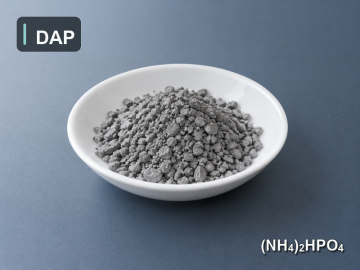
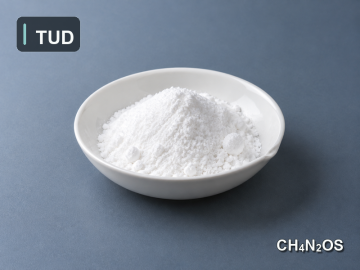
WRV Restoration • Tensile IndexApplication of eco-friendly reductive bleaching agents such as Thiourea Dioxide ensures superior brightness stability, while functional salts like Diammonium Phosphate (DAP) contribute to specialty flame retardance, sizing stabilization, and effluent treatment balance.
ISO Brightness • Functional Doping
RIVER AND MOUNTAIN GLOBAL LIMITED, also known as RMG, is a global chemical products supplier with more than 20 years of experience in the chemical industry.
We specialize in the export of chemical products used in glassware, printing and dyeing, water treatment, detergents, food and feed additives, fertilizers, desiccants, plastics, minerals, paper-making, and foaming agents.
With deep industry knowledge, reliable supplier resources, and a strong understanding of international markets, RMG helps global buyers solve key sourcing challenges: stable quality, competitive pricing, reliable supply, and efficient service.
Our products are sourced from national-level enterprises and trusted manufacturers, ensuring consistent product quality and long-term supply stability for customers worldwide.
How targeted chemical auxiliaries overcome operational bottlenecks across mechanical, chemical, and de-inked dried pulp processing.
In modern bleached dried pulp processing—particularly when recycling secondary fiber grades or boosting brightness in high-yield mechanical pulps (CTMP/TMP)—conventional hydrosulfite bleaching frequently fails due to atmospheric oxidation and excessive chemical consumption. Thiourea Dioxide (Formamidine Sulfinic Acid) stands out as a next-generation reductive bleaching and color-stripping powerhouse.
Unlike standard sodium hydrosulfite, Thiourea Dioxide boasts superior thermal stability, elevated reduction potential (-1100 mV vs. -660 mV), and minimal environmental impact. During the high-temperature repulping and tower bleaching of dried secondary fiber, it actively cleaves stubborn chromophore conjugated systems without degrading delicate cellulose chains. The result is a substantial increase in TAPPI/ISO brightness (+6 to +12 points), zero generation of toxic sulfur compounds, lower chemical oxygen demand (COD) in closed mill water circuits, and superior color consistency across finished packaging and graphic paper grades.
Diammonium Phosphate (DAP) fulfills an essential dual role in the papermaking and pulp processing value chain. In specialty paper-making pulp preparation—such as automotive air filtration media, electrical insulation boards, architectural decorative laminates, and flame-retardant structural honeycomb boards—DAP serves as an active inorganic fire-retardant donor. Upon thermal exposure, DAP catalyzes the carbonization of cellulose, forming an insulating protective char layer that effectively suppresses flaming and smoldering combustion.
Furthermore, in integrated dried pulp processing mills running tight zero-liquid discharge (ZLD) effluent configurations, DAP serves as an indispensable bio-nutrient source (providing critical nitrogen and phosphorus in balanced ratios) for activated sludge biological wastewater reactors. Its controlled dosing prevents sludge bulking, stabilizes wastewater aeration lagoons against volatile organic loads, and guarantees that pulp-washing washwaters meet stringent international environmental discharge benchmarks.
At RMG, we focus on what matters most to chemical product buyers:
Competitive Price
We help customers control purchasing costs through strong sourcing capability and long-term supplier cooperation.
Reliable Product Source
Our supply network is built on qualified manufacturers with stable production capacity and quality assurance.
Stable Quality
We select products from reputable enterprises to reduce quality risk and support repeat purchasing.
Professional Service
From inquiry to shipment, our team responds quickly and supports customers with practical export experience.
Global Market Experience
With business covering 50+ countries and regions, we understand the needs of buyers across Asia-Pacific, Europe, North America, Latin America, the Middle East, Africa, and Oceania.
From lightweight sustainable molded fiber packaging to ultra-high-speed tissue mills, dried pulp processing is redefining modern manufacturing.
With global legislation banning single-use expanded polystyrene (EPS) and fluorinated PFAS barrier chemistries, dried virgin kraft and bagasse pulps are being re-slushed in precision thermoforming machines. Processing dried pulp requires fine-tuned enzymatic treatment and sizing control to achieve uniform slurry drainage, high wet-burst strength, and flawless structural density in biodegradable food trays and electronics packaging.
Crescent former tissue machines exceeding 2,000 m/min demand exceptional pulp furnish consistency. Dried market softwood and eucalyptus pulps must be re-slushed and refined with minimal cutting to retain bulk, hand-feel softness, and rapid liquid absorption kinetics. Chemical debonders, wet-strength polyamidoamine-epichlorohydrin (PAE) resins, and reductive de-coloring additives ensure flawless optical and tactile properties.
Industrial technical papers—ranging from transformer pressboards and phenolic battery separators to flame-retardant building wallboards—depend on pure dried chemical pulp. Blending dried cellulose with mineral fillers and phosphate curing agents such as Diammonium Phosphate achieves exact air permeability, flame self-extinguishing ratings, and long-term chemical durability in aggressive industrial environments.
The global dried market pulp industry is moving rapidly toward continuous AI-driven consistency monitoring and closed-loop thermodynamic integration. Modern pulp-slushing facilities now employ online Near-Infrared (NIR) spectroscopy and fiber morphology image analyzers to automatically adjust hydrapulper shear cycles and chemical dosing algorithms in real time based on the specific hornification severity of each bale batch.
Simultaneously, scope 1 and scope 2 decarbonization directives are driving mills to switch from energy-intensive thermal pulping to low-temperature enzymatic repulping, coupled with concentrated reductive bleaching agents such as Thiourea Dioxide that operate efficiently at reduced energy inputs. By optimizing the re-slushing phase of dried paper pulp, mills worldwide achieve energy savings of up to 25% while conserving precious virgin fiber resources.
Our vision is to become a trusted long-term chemical supply partner for global buyers.
We believe that chemical trade is not only about price, but also about stability, responsibility, and trust. RMG is committed to building sustainable partnerships with customers who value consistent quality, reliable supply, and professional cooperation.
We aim to support customers in reducing sourcing risks, improving procurement efficiency, and gaining stronger competitiveness in their local markets.
Experience in the chemical industry
Global business coverage
Serving industries including water treatment, detergents, fertilizers, food and feed additives, paper-making, plastics, and more
Products sourced from national-level enterprises and reliable manufacturers
RMG was founded with a clear purpose: to make chemical product sourcing more reliable, more efficient, and more valuable for international buyers.
Over the past 20 years, we have witnessed the changing demands of the global chemical market. Buyers need more than a product list; they need a partner who understands market fluctuations, supply risks, documentation requirements, and long-term cooperation.
That is why RMG continues to focus on three core values: competitive pricing, dependable supply, and customer satisfaction. These values guide every quotation, every shipment, and every partnership we build.
Today, RMG continues to grow with customers around the world, providing chemical products and sourcing support across multiple industries and markets.
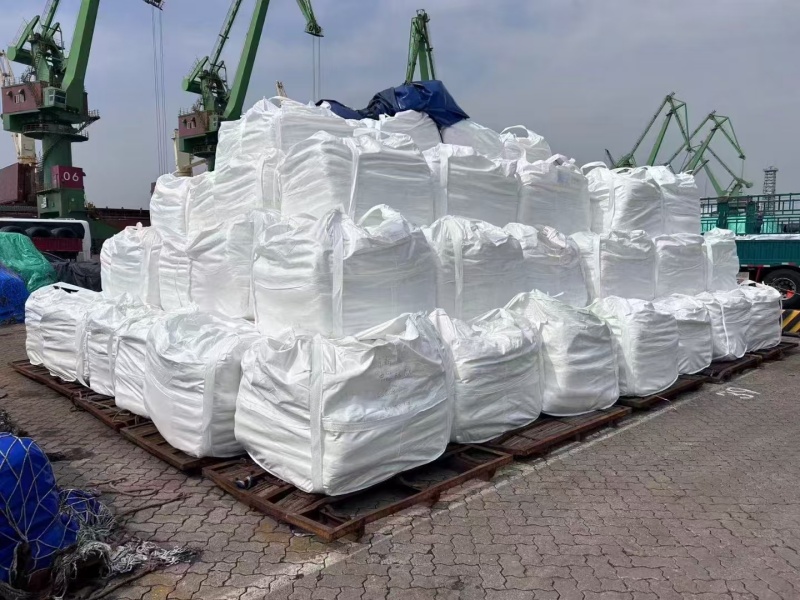
RMG serves customers in more than 50 countries and regions, with business coverage across:
Our wide market coverage allows us to respond to different purchasing needs, regional standards, and application requirements with greater flexibility.
RMG works closely with reliable chemical manufacturers and national-level enterprises to ensure product stability and supply continuity.
For global buyers, this means more than finding a supplier. It means working with a sourcing partner who can provide quality consistency, supply reliability, and long-term cooperation value.
Explore our specialized chemical grades designed to maximize efficiency and paper quality across all pulping systems.