Leave Your Message
Discover our specialized raw materials engineered for pulp purification, fiber conditioning, and nutritional digestibility optimization.
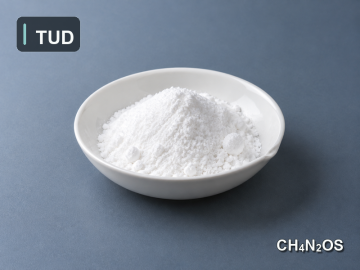
Eco-friendly reducing reagent deployed for safe, non-chlorinated bleaching and detoxification of dried pulp fiber prior to nutritional feed grading.
Explore Specifications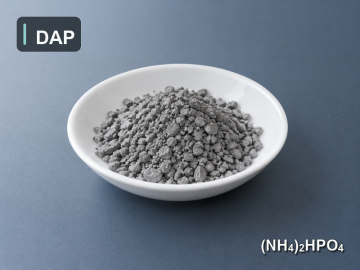
High-purity phosphorus and non-protein nitrogen (NPN) compound used in microbiological fermentation conditioning and ruminant dietary formulations.
Explore Specifications
High-efficiency chemical reducing agent designed for structural lignin delamination to unlock accessible cellulose and hemicellulose for microflora.
Explore Specifications
Nutritive buffering agent and chemical binding additive designed to optimize mechanical stability, pellet durability (PDI), and ruminal flora nitrogen balance.
Explore Specifications
RIVER AND MOUNTAIN GLOBAL LIMITED, also known as RMG, is a global chemical products supplier with more than 20 years of experience in the chemical industry.
We specialize in the export of chemical products used in glassware, printing and dyeing, water treatment, detergents, food and feed additives, fertilizers, desiccants, plastics, minerals, paper-making, and foaming agents.
With deep industry knowledge, reliable supplier resources, and a strong understanding of international markets, RMG helps global buyers solve key sourcing challenges: stable quality, competitive pricing, reliable supply, and efficient service.
Our products are sourced from national-level enterprises and trusted manufacturers, ensuring consistent product quality and long-term supply stability for customers worldwide.
A comprehensive review of lignocellulosic upcycling, biochemical processing, ruminant metabolism, and circular livestock feeding economics.
In modern agricultural economics, the global animal feed sector faces intense pressures: volatile commodity grain prices (corn, soybean meal), climate-induced forage shortages, and an urgent push toward sustainable, non-competing feedstuffs. In this context, dried paper pulp—predominantly derived from virgin mechanical, thermo-mechanical, or carefully decontaminated chemical kraft processes—has emerged as a transformative carbohydrate and non-digestible fiber source. Rather than remaining an industrial by-product of forest management and paper conversion, refined dried wood pulp and virgin pulp screenings are gaining prominence as high-function dietary insoluble fiber components.
Industrial livestock producers across North America, Europe, and the Asia-Pacific region are increasingly incorporating purified cellulosic pulp into animal rations. In ruminant nutrition, dried pulp serves as an exceptional source of digestible neutral detergent fiber (NDF) with minimal lignin content when properly processed. For swine and poultry, it functions as a functional prebiotic matrix, stabilizing digestive transit, mitigating enteric dysbiosis, and controlling caloric density in gestation and laying phases.
Unlike conventional crop forages and cereal brans which regularly suffer from Aspergillus, Fusarium, and deoxynivalenol (DON) mycotoxin risks, virgin dried paper pulp offers an exceptionally clean, mycotoxin-free structural carbohydrate matrix that safeguards livestock gastrointestinal integrity.
Not all paper pulp is suitable for ingestion. Transitioning pulp from industrial paper manufacturing to precision animal nutrition requires strict chemical handling, enzymatic pretreatments, and quality oversight. The primary hurdle in untreated wood fibers is the recalcitrance of crystalline cellulose embedded within a cross-linked lignin-hemicellulose matrix.
To render dried pulp biologically available to ruminant cellulolytic microflora (such as Ruminococcus albus and Fibrobacter succinogenes), industrial chemical treatments are applied. Specific bleaching and conditioning agents, including eco-responsible reducing compounds like Thiourea Dioxide, eliminate residual industrial tannins, anthraquinone catalysts, or color compounds without generating chlorinated dioxins or persistent residues. Concurrently, nutrient enrichment using Diammonium Phosphate (DAP) provides the vital inorganic nitrogen and orthophosphate skeleton required by bacteria to ferment cellulose into volatile fatty acids (VFAs)—notably acetate and butyrate—fueling milk fat production and metabolic vitality in cattle.
| Nutritional Parameter | Virgin Dried Pulp (Feed Grade) | Standard Wheat Straw | Corn Silage (Dry Basis) |
|---|---|---|---|
| Crude Fiber (%) | 68.0 – 78.0 | 38.0 – 44.0 | 20.0 – 26.0 |
| Neutral Detergent Fiber (NDF %) | 82.0 – 90.0 | 72.0 – 78.0 | 40.0 – 48.0 |
| Acid Detergent Lignin (ADL %) | < 3.0 (Treated) / 12.0 (Kraft) | 8.5 – 12.0 | 2.8 – 3.8 |
| In Vitro Dry Matter Digestibility (IVDMD %) | 65.0 – 82.0 | 42.0 – 48.0 | 68.0 – 74.0 |
| Mycotoxin Profile | Non-Detectable (< LOQ) | Moderate to High Risk | Variable / Seasonal Risk |
The nutritional role of dried paper pulp varies profoundly across different target species, requiring precise dietary formulation strategies:
Driven by ESG mandates and carbon-neutral farming protocols, life-cycle assessments (LCA) demonstrate that upcycling virgin pulp by-products into livestock nutrition reduces the environmental footprint of livestock production compared to dedicated forage irrigation and fossil-intensive grain logistics. With advancements in continuous enzymatic saccharification and solid-state fermentation directly at chemical pulp facilities, the lines between paper processing and single-cell protein (SCP) fiber enrichment are rapidly dissolving. RMG stands at the nexus of this technological crossover, supplying the pivotal chemical catalysts and processing mineral additives required to ensure chemical safety, nutritional consistency, and global regulatory compliance.
At RMG, we focus on what matters most to chemical product buyers:
Competitive PriceWe help customers control purchasing costs through strong sourcing capability and long-term supplier cooperation.
Reliable Product SourceOur supply network is built on qualified manufacturers with stable production capacity and quality assurance.
Stable QualityWe select products from reputable enterprises to reduce quality risk and support repeat purchasing.
Professional ServiceFrom inquiry to shipment, our team responds quickly and supports customers with practical export experience.
Global Market ExperienceWith business covering 50+ countries and regions, we understand the needs of buyers across Asia-Pacific, Europe, North America, Latin America, the Middle East, Africa, and Oceania.
Our vision is to become a trusted long-term chemical supply partner for global buyers.
We believe that chemical trade is not only about price, but also about stability, responsibility, and trust. RMG is committed to building sustainable partnerships with customers who value consistent quality, reliable supply, and professional cooperation.
We aim to support customers in reducing sourcing risks, improving procurement efficiency, and gaining stronger competitiveness in their local markets.
Experience in the chemical industry
Global business coverage
Serving industries including water treatment, detergents, fertilizers, food and feed additives, paper-making, plastics, and more
Products sourced from national-level enterprises and reliable manufacturers
RMG was founded with a clear purpose: to make chemical product sourcing more reliable, more efficient, and more valuable for international buyers.
Over the past 20 years, we have witnessed the changing demands of the global chemical market. Buyers need more than a product list; they need a partner who understands market fluctuations, supply risks, documentation requirements, and long-term cooperation.
That is why RMG continues to focus on three core values: competitive pricing, dependable supply, and customer satisfaction. These values guide every quotation, every shipment, and every partnership we build.
Today, RMG continues to grow with customers around the world, providing chemical products and sourcing support across multiple industries and markets.
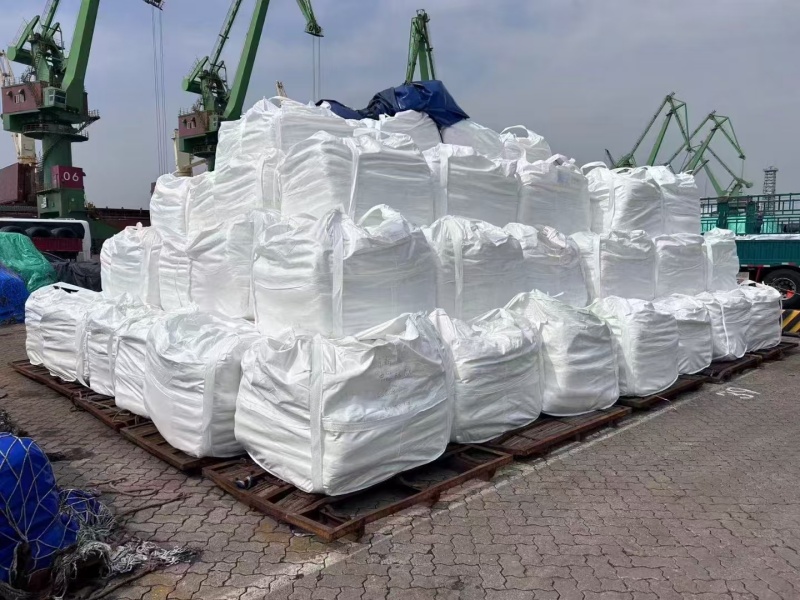
RMG serves customers in more than 50 countries and regions, with business coverage across global chemical and animal nutrition markets.
Our wide market coverage allows us to respond to different purchasing needs, regional standards, and application requirements with greater flexibility.
RMG works closely with reliable chemical manufacturers and national-level enterprises to ensure product stability and supply continuity.
For global buyers, this means more than finding a supplier. It means working with a sourcing partner who can provide quality consistency, supply reliability, and long-term cooperation value.
Complete series of high-grade chemical and mineral formulations serving pulp and animal feed processing operations worldwide.
Eco-friendly reducing reagent deployed for safe, non-chlorinated bleaching and detoxification of dried pulp fiber prior to nutritional feed grading.
View Details
High-purity phosphorus and non-protein nitrogen (NPN) compound used in microbiological fermentation conditioning and ruminant dietary formulations.
View Details
Cleaves lignocellulosic molecular complexes, accelerating rumen bacterial adhesion and maximizing total digestible nutrients (TDN) in pulp-based diets.
View Details
Essential nitrogenous and phosphorus source for culturing industrial yeast and fungal strains converting cellulose feedstocks into microbial protein.
View Details
Ensures the complete neutralization and extraction of trace heavy metallic species and oxidative byproducts in virgin cellulose drying circuits.
View Details
Neutralizes acid imbalances in ensiled pulp fiber blends while fortifying the total mineral ash balance for beef feedlots and high-yield herds.
View Details
Stabilizes brightness retention and prevents fiber degradation under thermal flash-drying conditions during commercial dried pulp production.
View Details
Uniformly free-flowing crystalline formulation engineered for dry batch blenders producing fiber-fortified pelleted total mixed rations (TMR).
View Details