





Custom Industrial Calcium Salts for Process Formulation
Product Attributes
| Attribute | Selection Reference |
| Product | Calcium Salts |
| Grade coverage | Industry grade; chemistry selected to order |
| Chemical identity | Depends on salt: chloride, formate, acetate, nitrate, or other calcium compound |
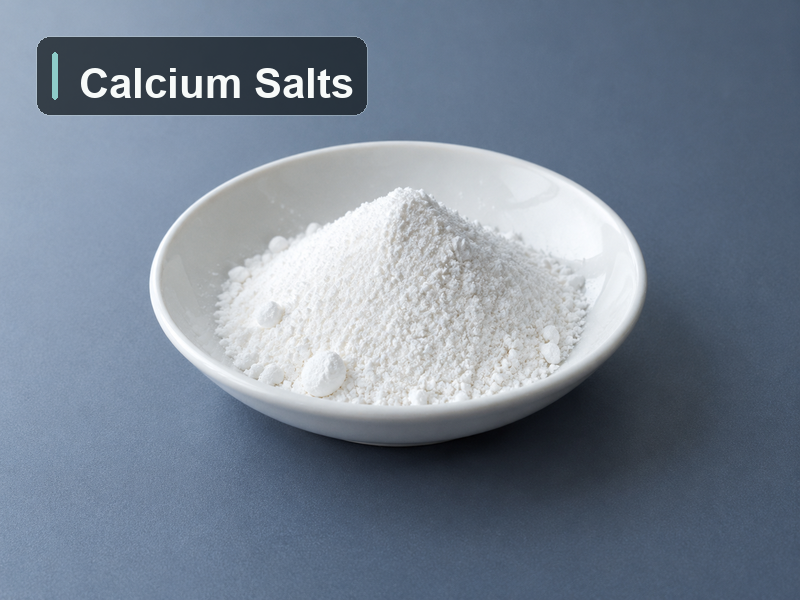
| Typical appearance | powder, granule, flake, or solution according to chemistry |
| Main specification points | Chemical identity; calcium content; assay; moisture; insolubles; pH |
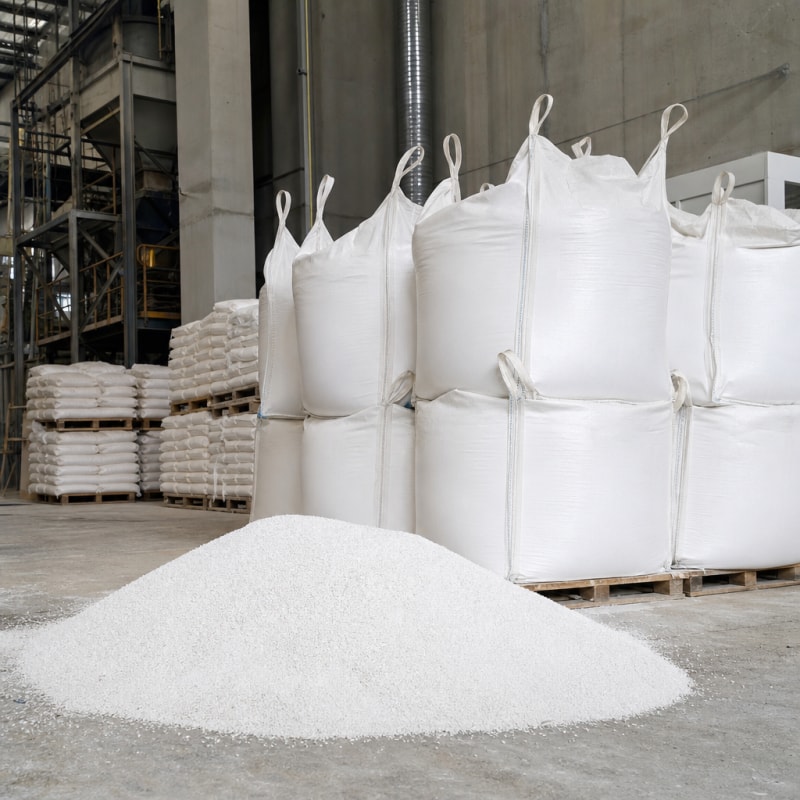
| Packing options | 25 kg lined bags, 1,000 kg bulk bags, drums, or IBCs according to physical form |
Specification note: Values are intentionally not generalized across grades. The signed technical agreement controls the supplied lot.
Product Description
The Calcium Salts range addresses Industry grade; chemistry selected to order purchasing needs with powder, granule, flake, or solution according to chemistry as its standard physical description. A useful product definition includes the application, decisive test properties, pack, and destination—not merely the common chemical name. This page therefore presents selection guidance while reserving contractual values for the agreed specification and lot certificate.
Material Profile and Production
A typical batch follows the selected acid or anion source is reacted with a qualified calcium raw material, then purified and finished as solution or dry product. In-process observations help operators keep the conversion and physical presentation within the planned range. The final material is homogenized where appropriate, sampled, and isolated by lot. Requirements outside the normal offer are reviewed jointly by production and quality teams before being promised.
Key Applications and Process Value
Commercial uses span construction admixtures, de-icing or dust control, metal treatment, chemical synthesis, water-process adjustment, and formulation of calcium-bearing intermediates. Selection should connect a measurable product attribute with a process outcome—for example flow, reaction speed, color, purity, separation, or finished strength. Our supply team can exchange specification and logistics information, but formulation approval and safe operating limits remain with the user’s qualified technical staff.
The best grade is the one that meets the process outcome at a sustainable total cost. Trial plans should therefore capture dosage, labor, rejects, filtration or cleaning load, energy demand, and final quality—not merely the purchase price per tonne.
Quality Assurance and Buyer Qualification
Verification is tailored to the product and normally includes anion identity, calcium or active content, moisture, insoluble matter, pH, solution clarity, and salt-specific trace ions. Measurement uncertainty, reporting basis, and hydration or concentration basis should be made explicit where relevant. Contractual limits take precedence over indicative website information and general market conventions.
Safe Handling and Storage
Requirements vary materially by the selected calcium salt. Confirm the exact CAS number, concentration, SDS, incompatibilities, transport status, and application restrictions before ordering or use. Warehouse staff should retain the original identity label and use first-in, first-out rotation. Site procedures—not this marketing page—must determine exposure control, emergency isolation, cleanup materials, and whether special fire or environmental precautions apply.
Packaging, Shipping, and Service
The proposed logistics format is 25 kg lined bags, 1,000 kg bulk bags, drums, or IBCs according to physical form. Moisture protection, pallet pattern, container utilization, and segregation are adjusted where the material demands it. Order-specific terms cover production window, freight responsibility, payment, and documents. Customers should keep the affected lot and photographs if requesting an after-sales investigation.
Evaluation assistance is available for an agreed application. Commercial supply follows the purchaser’s documented technical and compliance acceptance.