Controlled Chemistry Ferro Boron Alloy for Metallurgy
Product Attributes
| Attribute | Selection Reference |
| Product | Ferro Boron |
| Grade coverage | Metallurgical mineral alloy |
| Chemical identity | Fe-B alloy |
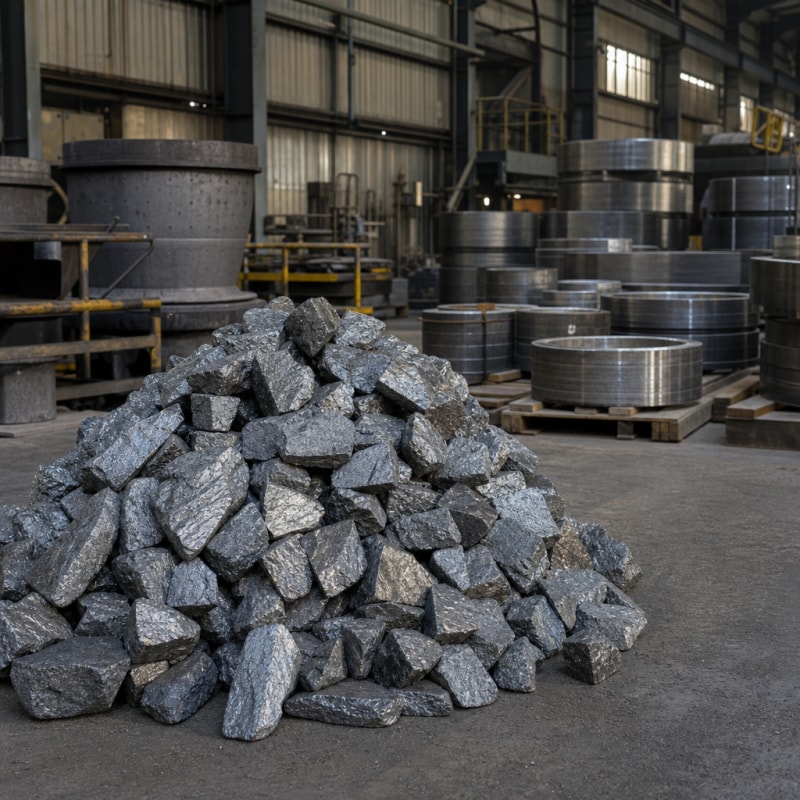
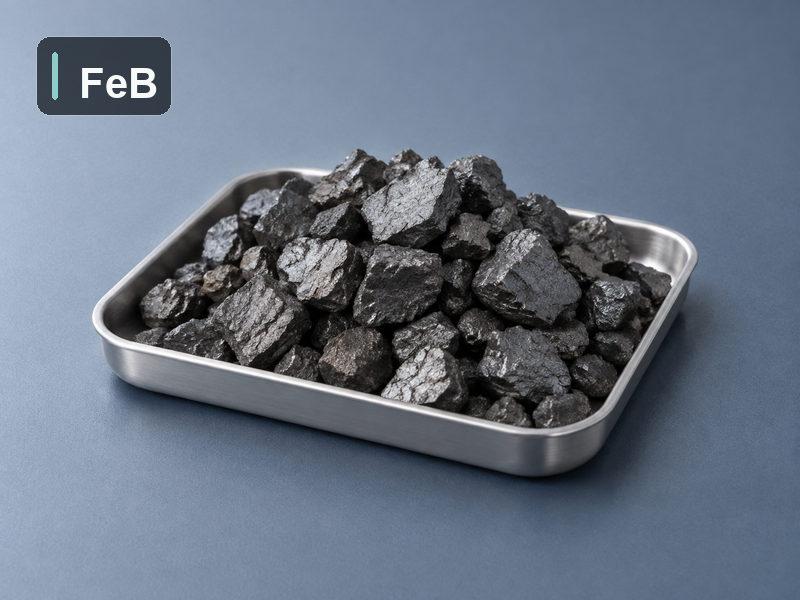
| Typical appearance | silver-grey lumps, granules, or crushed alloy |
| Main specification points | Boron; carbon; silicon; aluminum; sulfur; phosphorus; particle size |
| Packing options | 25 kg steel drums, 1,000 kg bulk bags, or export-ready bags on pallets |
Specification note: This table guides grade discussion and is not a guaranteed analysis. Contract documents define test basis, limits, and shelf life.
Product Description
Designed for commercial production, this Ferro Boron program covers Metallurgical mineral alloy requirements and is available as silver-grey lumps, granules, or crushed alloy. Procurement teams can align chemistry, physical form, packing, and documentation before shipment. That up-front alignment helps operations avoid substitutions that look equivalent on paper but behave differently during conveying, dissolving, reacting, or final-product testing.
Material Profile and Production
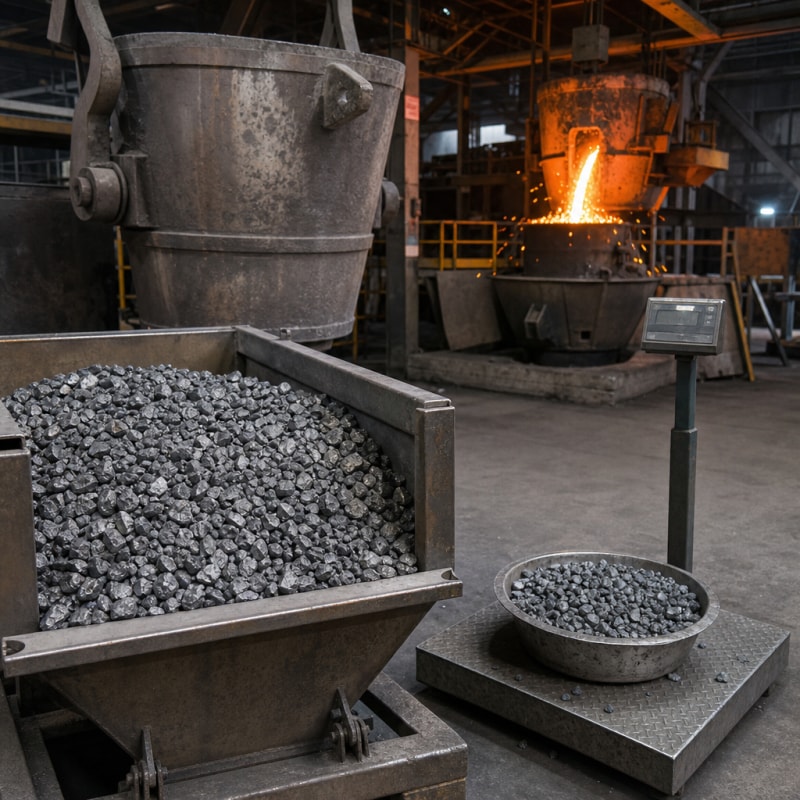
The manufacturing route combines boron-bearing raw materials are reduced and alloyed with iron, then cast, cooled, crushed, screened, and blended for chemistry consistency. Operators monitor the transformation and the final conditioning steps rather than relying only on an end-point test. This approach supports a uniform shipment and allows special requests for concentration, particle profile, color, or cleanliness to be screened for technical feasibility before scheduling.
Key Applications and Process Value
The product can support alloying of specialty steels, amorphous materials, permanent-magnet alloys, welding consumables, and controlled boron addition in foundry practice. Performance is application-specific, so laboratory screening should be followed by a controlled production trial. Useful trial records include batch temperature, concentration, residence time, observed dispersion or reaction behavior, yield, and the final quality measure that determines commercial success.
Before full conversion, run the material through the intended addition and mixing sequence. A result that looks satisfactory in a beaker may change with plant shear, residence time, water quality, or heat transfer, so scale-up criteria should be agreed by process and quality personnel.
Quality Assurance and Buyer Qualification
The laboratory checks boron level, carbon, silicon, aluminum, sulfur, phosphorus, metallic cleanliness, and ordered size fraction. Results are compared with the authorized specification, then linked to the finished-lot number. Buyers with unusually tight limits should provide their analytical method during inquiry so correlation work can be discussed before commercial quantities are made.
Safe Handling and Storage
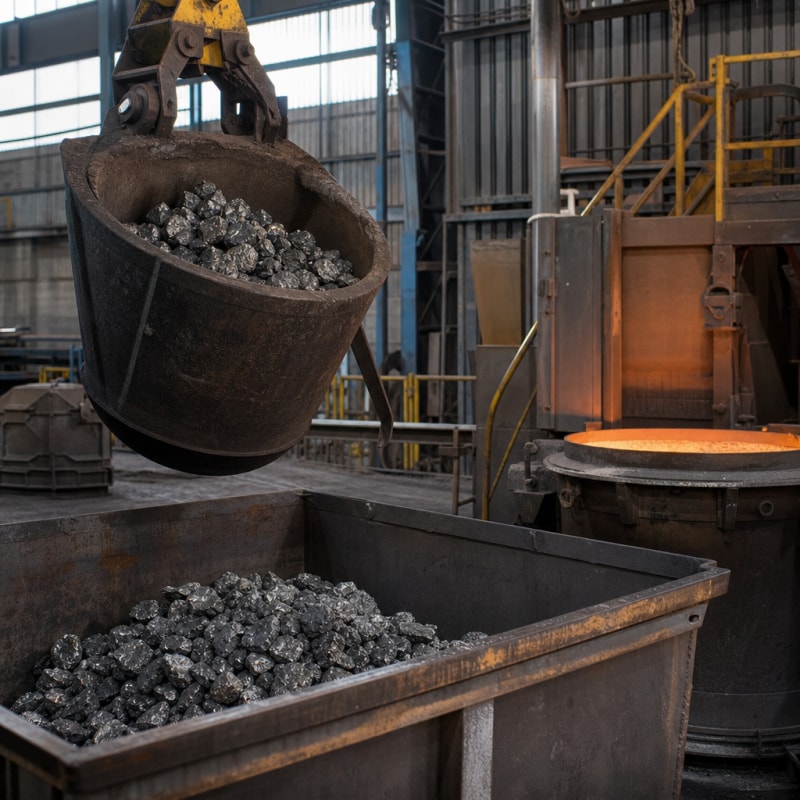
Handle to minimize sharp-edge injuries and dust from fines. Keep dry and segregate lots by chemistry. Furnace additions should follow the buyer’s melt practice and qualified metallurgical procedure. Warehouse staff should retain the original identity label and use first-in, first-out rotation. Site procedures—not this marketing page—must determine exposure control, emergency isolation, cleanup materials, and whether special fire or environmental precautions apply.
Packaging, Shipping, and Service
For export delivery, the usual choice is 25 kg steel drums, 1,000 kg bulk bags, or export-ready bags on pallets. Each unit is checked for identification and closure before loading. Destination port, annual volume, unloading equipment, and preferred trade term help determine the offer. Special regulatory statements are issued only after the supporting evidence and intended wording have been accepted.
Share the present specification and trial target for technical review. Routine use begins only after the buyer completes its own process and compliance approval.