

Color Stable Industrial Iron Oxide for Pigmentation
Product Attributes
| Attribute | Selection Reference |
| Product | Iron Oxide |
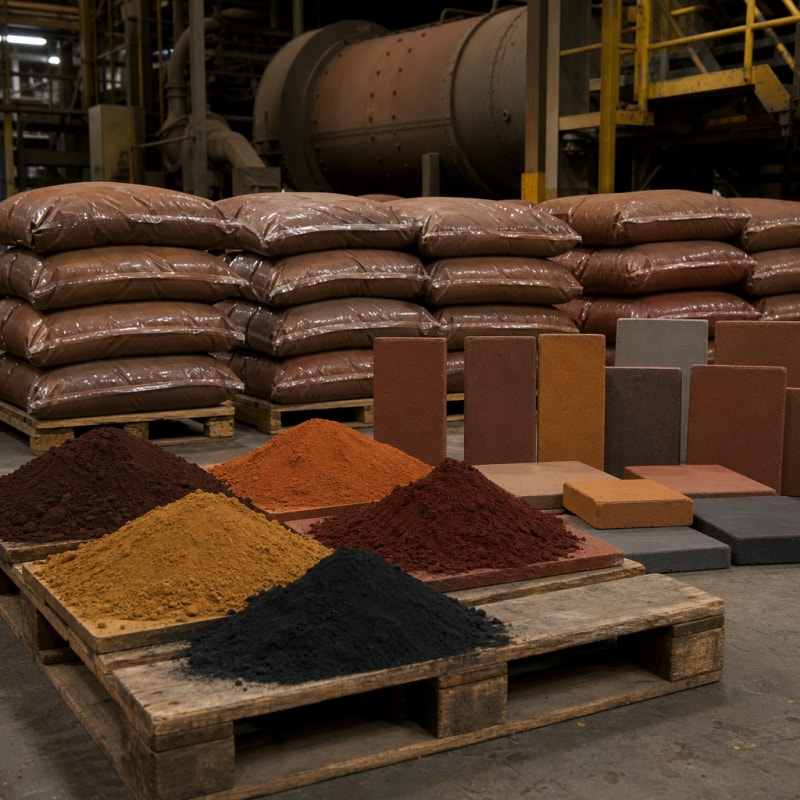
| Grade coverage | Industry grade; red, yellow, black, or blended shade |
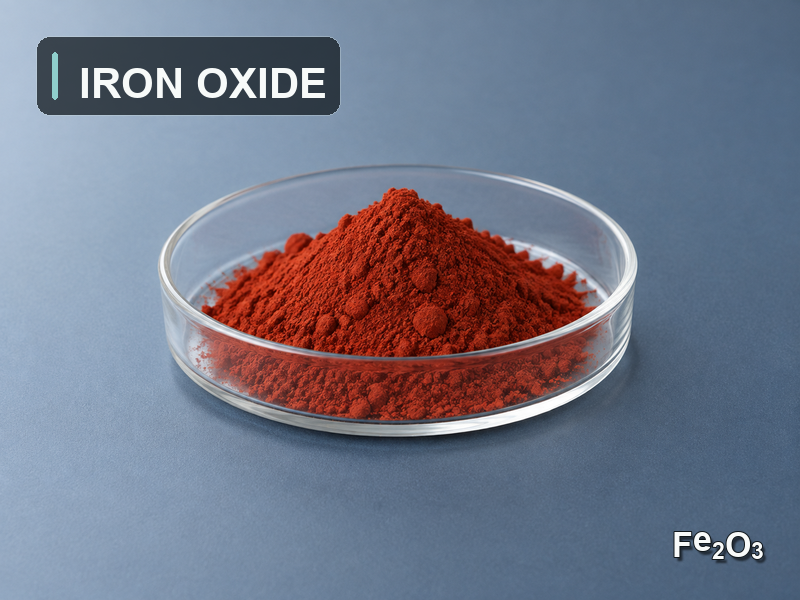
| Chemical identity | Fe2O3, Fe3O4, hydrated iron oxide, or controlled blend |
| Typical appearance | fine colored powder |
| Main specification points | Color shade; tinting strength; iron oxide content; moisture; sieve residue; oil absorption; pH |
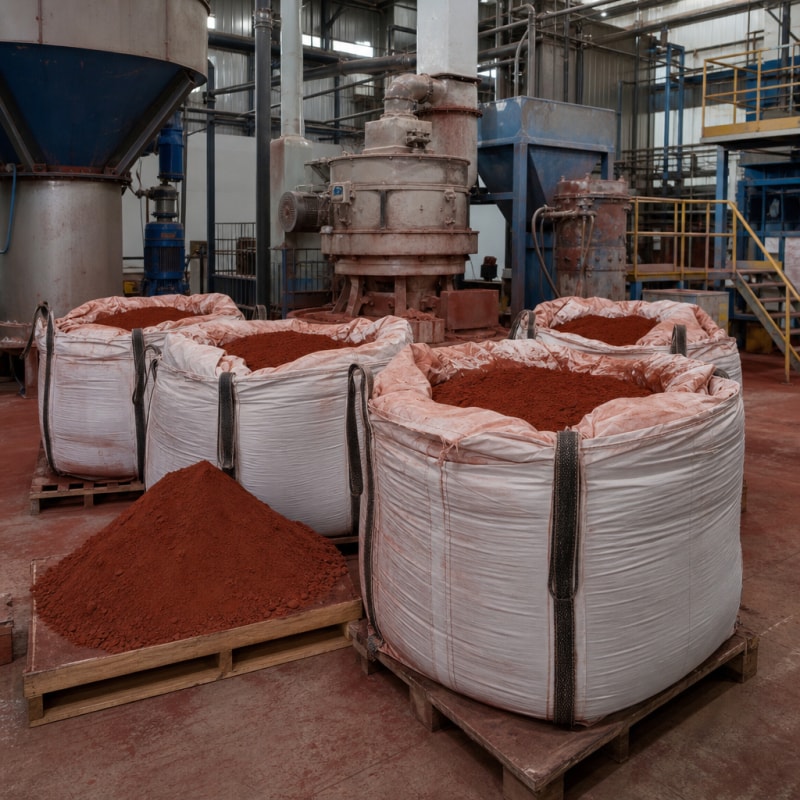
| Packing options | 25 kg paper bags with liners, valve bags, or 500–1,000 kg bulk bags |
Specification note: Specification, regulatory basis, and remaining shelf life are order-specific and must be confirmed in writing.
Product Description
Iron Oxide is supplied for buyers who need a practical balance between chemical consistency, plant handling, and application performance. The offered Industry grade; red, yellow, black, or blended shade material is presented as fine colored powder. Its role is best evaluated against the customer’s process rather than by a single assay number: feed method, temperature, contact time, companion ingredients, and downstream limits can all affect the result.
Material Profile and Production
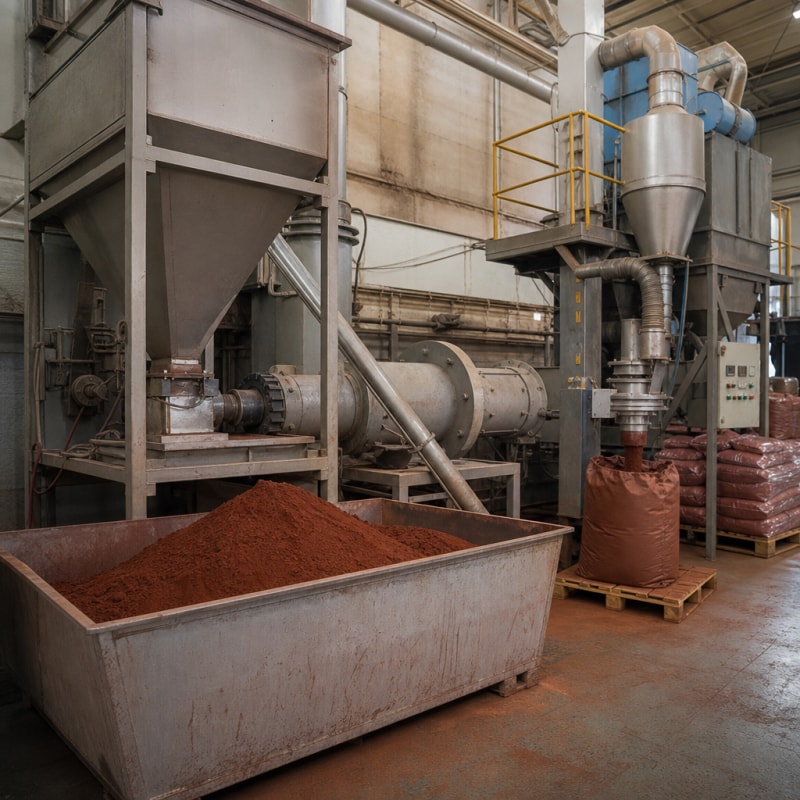
Manufacture uses selected iron compounds are precipitated or calcined, washed, dried, milled, classified, and shade adjusted through controlled blending. The finishing stage is especially important because physical form can influence feeding and contact with other materials. Production records connect the chosen raw-material lots with operating conditions and the final pack code, giving the buyer a practical route for investigating unexpected plant results.
Key Applications and Process Value
Its functional scope covers concrete products, pavers, coatings, plastics, rubber, ceramics, paper, and construction compounds requiring durable mineral color. Grade screening can begin with documentary comparison, but process behavior must ultimately be demonstrated by the user. Defining the target and non-negotiable limits before the trial prevents an apparent improvement in one property from creating an overlooked problem elsewhere in production.
For a new formulation, establish the addition point and expected mechanism before adjusting dose. Changing several ingredients at once makes results difficult to interpret. A documented single-variable comparison provides stronger evidence for technical approval and future troubleshooting.
Quality Assurance and Buyer Qualification
Batch documentation brings together process completion and results for color difference against standard, tinting strength, iron content, moisture, sieve residue, oil absorption, pH, and dispersion behavior. Deviations are evaluated before disposition. For applications in which a small change has a large effect, the customer’s incoming inspection and a mutually understood change-notification arrangement add valuable protection.
Safe Handling and Storage
Use dust collection during bag emptying and pigment charging. Test shade in the actual binder and substrate because dosage, mixing energy, cement color, film thickness, and curing can alter appearance. Do not remove hazard marks or reuse an empty package without an approved procedure. The user is responsible for engineering controls, protective equipment, hygiene, exposure assessment, and lawful disposal based on its actual operation and jurisdiction.
Packaging, Shipping, and Service
The proposed logistics format is 25 kg paper bags with liners, valve bags, or 500–1,000 kg bulk bags. Moisture protection, pallet pattern, container utilization, and segregation are adjusted where the material demands it. Order-specific terms cover production window, freight responsibility, payment, and documents. Customers should keep the affected lot and photographs if requesting an after-sales investigation.
The supplier can clarify available grades and reporting. Responsibility for recipe, installation, operating procedure, and lawful finished use stays with the buyer.