Leave Your Message
Premium grade alkali builders, descaling boosters, and caustic agents engineered for intense thermal processes, mold maintenance, and glass batch preparation.
In contemporary high-throughput glass manufacturing—encompassing float glass, container glass, pharmaceutical ampoules, and photovoltaic (PV) solar substrate glass—process water integrity and heat transfer efficiency represent vital operational KPIs. Glass fabrication demands continuous, high-temperature thermodynamic transitions where cooling jackets, annealing lehrs, rolling chillers, and washing machines operate under relentless thermal stress. In these demanding environments, mineral deposits, primarily comprising calcium carbonate (CaCO₃), magnesium silicate, and vitreous particulate precipitates, rapidly accumulate as dense limescale.
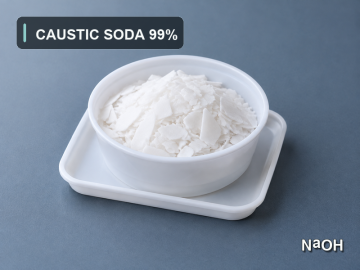
The strategic deployment of Caustic Soda (Sodium Hydroxide, NaOH) for limescale mitigation across glass manufacturing processes has established itself as an indispensable chemical standard. Beyond typical domestic or mild acid-based descaling, industrial glass operations require aggressive chemical hydrolysis, mineral matrix saponification, and dissolution regimes capable of preserving million-dollar infrastructure without inducing intergranular acid corrosion on sensitive stainless-steel cooling channels or mold assemblies.
In recirculating cooling water towers and lehr heat exchangers operating between 60°C and 450°C, the inverse solubility of calcium and magnesium salts triggers rapid crystallization. A limescale layer as thin as 1 mm decreases thermal conductive efficiency by up to 12%, resulting in uneven glass ribbon annealing, structural stress fractures, elevated furnace fuel consumption, and catastrophic downtime.
While traditional scale removal often invokes mineral acids, the presence of silicate complexes, organic mold lubricants, and heavy calcification in glass factories necessitates an alkaline-first or caustic-enhanced methodology. Caustic soda functions via multiple synergistic mechanisms:
Float glass production requires ultra-precise continuous cooling gradients across the annealing lehr to relieve internal mechanical stresses in the advancing glass ribbon. Closed-loop and semi-open heat exchanger jackets suffer constant mineral calcification due to extreme water temperatures. Regular flushing with formulated liquid caustic soda prevents laminar boundary flow constriction, prevents localized overheating, and safeguards precise temperature profiling across 3.5-meter-wide glass ribbons.
In container and tableware glass production, cast iron and bronze molds are exposed to extreme thermal cycling and water-quench spraying. Minerals in the quench water instantly evaporate, encrusting fine engravings with stubborn limescale and carbonized residues. Automated ultrasonic caustic soda immersion tanks operate at 80°C to digest mineral buildup without etching delicate metallic engravings—an advantage where harsh muriatic acid would ruin mold tolerances.
Before architectural glass receives magnetron sputtering vacuum deposition (Low-E coating) or enters automotive lamination ovens, it must be washed in multi-stage roller washers. Spray nozzles and recirculating holding tanks are susceptible to calcium and magnesium hardness precipitation. Metered injection of caustic soda, in conjunction with chelating agents, prevents nozzle occlusion, strips mineral deposits, and ensures that rinse water maintains zero defect-causing particulate carryover.
Post-consumer and in-house recycled glass (cullet) contains mineral contaminants, organic adhesives, sugar deposits, and limescale residue from previous storage. Passing cullet through concentrated, agitated caustic wash baths strips off surface scaling and biological residues, guaranteeing that the molten batch inside the regenerative furnace remains free of gaseous bubbles, seeds, and slag formation.
Glass manufacturers worldwide are transitioning from erratic emergency cleanouts to automated, preventative clean-in-place (CIP) loops energized by sodium hydroxide. The commercial and ecological rationale is commanding:
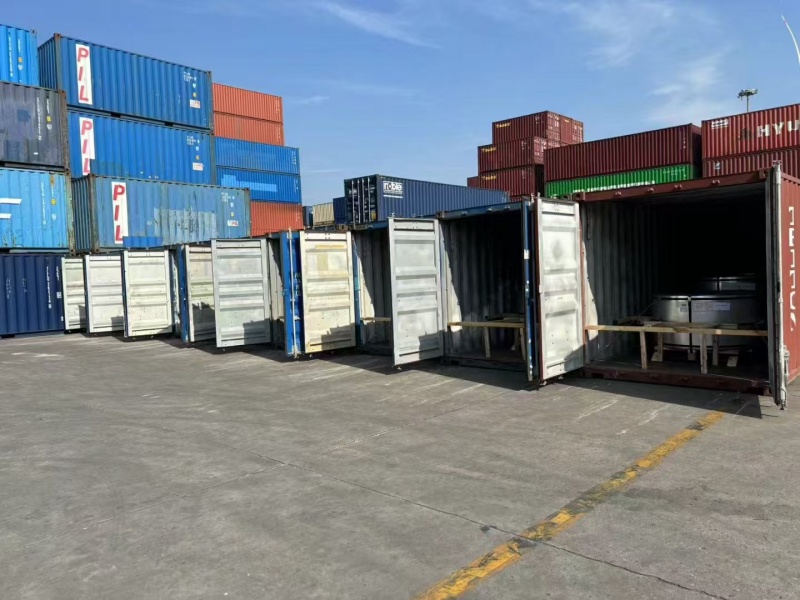
RIVER AND MOUNTAIN GLOBAL LIMITED, also known as RMG, is a global chemical products supplier with more than 20 years of experience in the chemical industry.
We specialize in the export of chemical products used in glassware, printing and dyeing, water treatment, detergents, food and feed additives, fertilizers, desiccants, plastics, minerals, paper-making, and foaming agents.
With deep industry knowledge, reliable supplier resources, and a strong understanding of international markets, RMG helps global buyers solve key sourcing challenges: stable quality, competitive pricing, reliable supply, and efficient service.
Our products are sourced from national-level enterprises and trusted manufacturers, ensuring consistent product quality and long-term supply stability for customers worldwide.
At RMG, we focus on what matters most to chemical product buyers:
Competitive PriceWe help customers control purchasing costs through strong sourcing capability and long-term supplier cooperation.
Reliable Product SourceOur supply network is built on qualified manufacturers with stable production capacity and quality assurance.
Stable QualityWe select products from reputable enterprises to reduce quality risk and support repeat purchasing.
Professional ServiceFrom inquiry to shipment, our team responds quickly and supports customers with practical export experience.
Global Market ExperienceWith business covering 50+ countries and regions, we understand the needs of buyers across Asia-Pacific, Europe, North America, Latin America, the Middle East, Africa, and Oceania.
Our vision is to become a trusted long-term chemical supply partner for global buyers.
We believe that chemical trade is not only about price, but also about stability, responsibility, and trust. RMG is committed to building sustainable partnerships with customers who value consistent quality, reliable supply, and professional cooperation.
We aim to support customers in reducing sourcing risks, improving procurement efficiency, and gaining stronger competitiveness in their local markets.
Experience in the chemical industry
Global business coverage
Serving industries including water treatment, detergents, fertilizers, food and feed additives, paper-making, plastics, and more
Products sourced from national-level enterprises and reliable manufacturers
RMG was founded with a clear purpose: to make chemical product sourcing more reliable, more efficient, and more valuable for international buyers.
Over the past 20 years, we have witnessed the changing demands of the global chemical market. Buyers need more than a product list; they need a partner who understands market fluctuations, supply risks, documentation requirements, and long-term cooperation.
That is why RMG continues to focus on three core values: competitive pricing, dependable supply, and customer satisfaction. These values guide every quotation, every shipment, and every partnership we build.
Today, RMG continues to grow with customers around the world, providing chemical products and sourcing support across multiple industries and markets.
RMG serves customers in more than 50 countries and regions, with business coverage across:
Our wide market coverage allows us to respond to different purchasing needs, regional standards, and application requirements with greater flexibility.
RMG works closely with reliable chemical manufacturers and national-level enterprises to ensure product stability and supply continuity.
For global buyers, this means more than finding a supplier. It means working with a sourcing partner who can provide quality consistency, supply reliability, and long-term cooperation value.
Sustain optimum thermal productivity and prevent limescale choking across manufacturing facilities with our primary inorganic chemicals portfolio.