Leave Your Message
Precision-grade alkaline compounds engineered for critical mold wash, heat exchanger descaling, and high-temperature silicate removal.
From float glass and container glass to technical photovoltaics, scale deposits directly dictate operational uptime, energy overhead, and yield quality.
Glass production operates within extreme thermal environments, generally ranging from 1,100°C to 1,600°C in melting furnaces, down through 600°C in annealing lehrs. Throughout cooling channels, quenching towers, boiler systems, and mold assemblies, circulating water and evaporated volatile metal oxides form rigid mineral scales (primarily calcium, magnesium carbonates, sulfates, and insoluble silicates). If untreated, scale build-up of just 1 mm on heat exchange surfaces can escalate fuel consumption by over 5% and induce uneven thermal quenching.
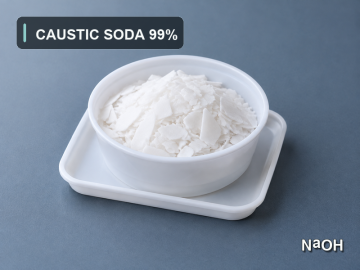
Unlike standard acid-based pickling which risks corroding high-nickel iron molds, bronze dies, or specialized stainless steels, Caustic Soda (NaOH) delivers a powerful alkaline mechanism. Concentrated hot caustic solutions (ranging from 10% to 30% concentration at 70–90°C) selectively react with amphoteric silicates and hydrolyze greasy graphite-based mold lubricants, breaking the structural bond between mineral scale and metallic substrate without provoking hydrogen embrittlement.
Driven by strict global decarbonization quotas and the rapid expansion of solar photovoltaic (PV) pattern glass, glass manufacturers are transitioning from manual abrasive blast cleaning to automated ultrasonic chemical CIP (Cleaning-in-Place) circuits. Industrial Caustic Soda 99% flakes and lye stand at the forefront of this shift, ensuring rapid reaction kinetics, minimal sludge volume, and easy neutralization within on-site wastewater treatment networks.
In container and tableware glass manufacturing, mold finish governs bottle gloss and structural wall uniformity. Caustic soda descaling dissolves residual silica deposits from volatile batch carryover while dissolving baked-on release swabbing compounds. This preserves micron-level tool contours, drastically reducing reject rates linked to mold seams, thermal haze, and surface micro-cracking.
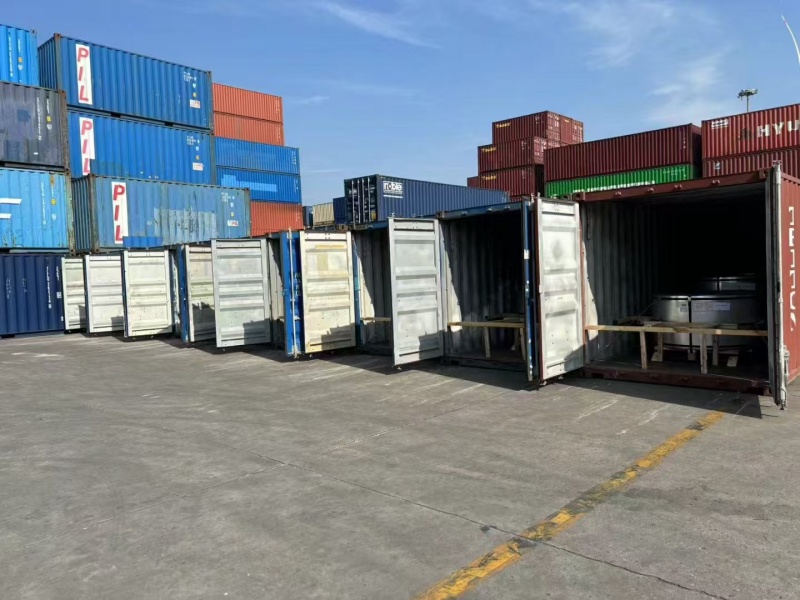
RIVER AND MOUNTAIN GLOBAL LIMITED, also known as RMG, is a global chemical products supplier with more than 20 years of experience in the chemical industry.
We specialize in the export of chemical products used in glassware, printing and dyeing, water treatment, detergents, food and feed additives, fertilizers, desiccants, plastics, minerals, paper-making, and foaming agents.
With deep industry knowledge, reliable supplier resources, and a strong understanding of international markets, RMG helps global buyers solve key sourcing challenges: stable quality, competitive pricing, reliable supply, and efficient service.
Our products are sourced from national-level enterprises and trusted manufacturers, ensuring consistent product quality and long-term supply stability for customers worldwide.
Understanding how sodium hydroxide operates across multiple specialized sub-processes within contemporary float, hollow, and architectural glass facilities.
During IS (Individual Section) machine bottle forming, mold cavities undergo thousands of cycles hourly under extreme thermal shock. Lubricants (swab compounds containing sulfur, graphite, and oils) combine with trace boron/silica to form tenacious glaze crusts. Immersion tanks utilizing 15–25% caustic soda at 85°C saponify organic binders and strip metal silicate scale within 40 minutes, restoring mirror finishes without geometric degradation.
In continuous float lines, lehr drive rollers and cooling loops accumulate sulfurous deposits from SO2 atmospheres and tin bath dross carryover. Caustic soda formulations circulate through high-pressure spray manifolds to dissolve sodium sulfate crystalline films, unblock coolant jackets, and avoid sheet scratching during high-speed ribbon transit.
Modern glass furnaces integrate waste-heat boilers and evaporative closed-circuit cooling towers. Calcium bicarbonate scales drop heat transfer efficiency rapidly. Caustic soda acts as an essential softening and pH-elevation agent during periodic chemical flushes, transforming hard crystalline scales into loose, easily purgeable flocculants.
At RMG, we focus on what matters most to chemical product buyers:
Competitive Price
We help customers control purchasing costs through strong sourcing capability and long-term supplier cooperation.
Reliable Product Source
Our supply network is built on qualified manufacturers with stable production capacity and quality assurance.
Stable Quality
We select products from reputable enterprises to reduce quality risk and support repeat purchasing.
Professional Service
From inquiry to shipment, our team responds quickly and supports customers with practical export experience.
Global Market Experience
With business covering 50+ countries and regions, we understand the needs of buyers across Asia-Pacific, Europe, North America, Latin America, the Middle East, Africa, and Oceania.
Our vision is to become a trusted long-term chemical supply partner for global buyers.
We believe that chemical trade is not only about price, but also about stability, responsibility, and trust. RMG is committed to building sustainable partnerships with customers who value consistent quality, reliable supply, and professional cooperation.
We aim to support customers in reducing sourcing risks, improving procurement efficiency, and gaining stronger competitiveness in their local markets.
Experience in the chemical industry
Global business coverage
Serving industries including water treatment, detergents, fertilizers, food and feed additives, paper-making, plastics, and more
Products sourced from national-level enterprises and reliable manufacturers
RMG was founded with a clear purpose: to make chemical product sourcing more reliable, more efficient, and more valuable for international buyers.
Over the past 20 years, we have witnessed the changing demands of the global chemical market. Buyers need more than a product list; they need a partner who understands market fluctuations, supply risks, documentation requirements, and long-term cooperation.
That is why RMG continues to focus on three core values: competitive pricing, dependable supply, and customer satisfaction. These values guide every quotation, every shipment, and every partnership we build.
Today, RMG continues to grow with customers around the world, providing chemical products and sourcing support across multiple industries and markets.
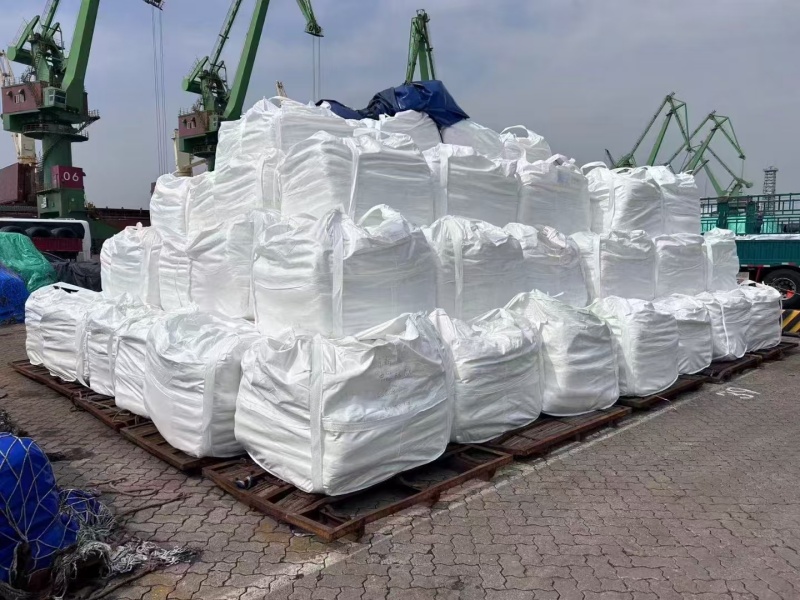
RMG serves customers in more than 50 countries and regions, with business coverage across major chemical manufacturing hubs and emerging consumption corridors.
Our wide market coverage allows us to respond to different purchasing needs, regional standards, and application requirements with greater flexibility, offering customized packaging, flexible shipping terms (FOB, CIF, CFR), and comprehensive technical dossiers.
RMG works closely with reliable chemical manufacturers and national-level enterprises to ensure product stability and supply continuity.
For global buyers, this means more than finding a supplier. It means working with a sourcing partner who can provide quality consistency, supply reliability, and long-term cooperation value.
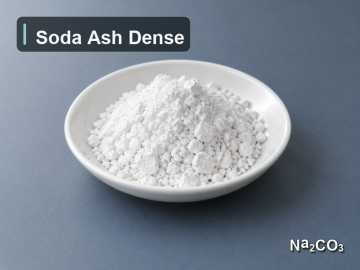
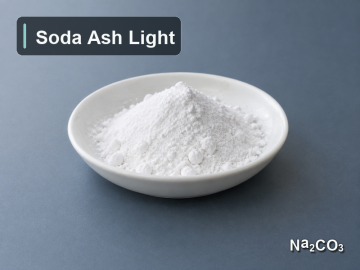
Explore our certified range of caustic alkalis, dense soda products, and multi-purpose builders tailored for high-demand processing plants.