
Leave Your Message
Essential chemical agents engineered for ambient control, catalytic purity, and reactive medium stabilization across modern industrial printing plants.
In modern high-speed textile printing and finishing complexes, moisture regulation is not merely an environmental convenience—it is a critical stoichiometric boundary condition. Elevated relative humidity (>65% RH) inside rotary screen drying zones, digital inkjet print chambers, and pigment paste compounding halls causes catastrophic capillary bleeding, non-uniform dye fixation, prolonged pre-cure tackiness, and hydrolytic degradation of reactive dyestuffs before thermofixation can occur.
Calcium Chloride (CaCl₂) is an inorganic salt exhibiting an exceptionally high affinity for moisture, operating through both exothermic chemical hydration and subsequent deliquescence. Unlike physical adsorbents like silica gel that reach saturation equilibrium around 25-35% of their dry weight, industrial-grade anhydrous or dihydrate calcium chloride can sequester up to 200–300% of its dry weight in atmospheric water under elevated ambient humidity, dissolving into a saturated brine solution that can be continuously harvested.
This intense moisture extraction capacity makes CaCl₂ an indispensable desiccant inside textile finishing plants. Integrated within industrial dynamic dehumidification towers, continuous drying loops, and modular fabric storehouses, CaCl₂ balances localized relative humidity without imposing excessive electrical load associated with traditional mechanical refrigeration and chiller loops.
In high-resolution digital reactive and disperse printing, excess micro-humidity at the fabric surface prevents drop pinning. Calcium chloride atmospheric conditioning buffers drop spread factor, securing crisp border lines and vibrant multi-tonal dot definition.
Dichlorotriazine and vinyl sulfone reactive dyes react vigorously with moisture in warm warehouse or steaming preparation areas. Dynamic humidity control using CaCl₂ desiccants stabilizes dry paste integrity and stops hydrolytic decomposition.
During ocean freight export of dyed yarns and printed piece goods, humidity fluctuations trigger moisture condensation (container rain). Secondary desiccant arrays built from calcium chloride salt binders prevent mildew rot, odor, and salt efflorescence.

RIVER AND MOUNTAIN GLOBAL LIMITED, also known as RMG, is a global chemical products supplier with more than 20 years of experience in the chemical industry.
We specialize in the export of chemical products used in glassware, printing and dyeing, water treatment, detergents, food and feed additives, fertilizers, desiccants, plastics, minerals, paper-making, and foaming agents.
With deep industry knowledge, reliable supplier resources, and a strong understanding of international markets, RMG helps global buyers solve key sourcing challenges: stable quality, competitive pricing, reliable supply, and efficient service.
Our products are sourced from national-level enterprises and trusted manufacturers, ensuring consistent product quality and long-term supply stability for customers worldwide.
The international textile printing and dyeing sector is facing unprecedented operational pressure: rising energy costs, aggressive zero-liquid-discharge (ZLD) regulations, and carbon-emission benchmarks under the European Green Deal. In this transformed operating ecosystem, humidity management has migrated from energy-intensive chillers to passive and semi-regenerative chemical desiccant systems.
Traditional industrial HVAC units consume massive electric energy to condense atmospheric humidity over refrigerated evaporator coils. Modern rotary wheel systems impregnated with high-grade Calcium Chloride or hybrid lithium/calcium composite matrices operate effectively using low-grade waste thermal heat (60–80°C) harvested from dyeing stenter exhaust channels, reducing electrical expenditures by up to 42%.
With continuous ink circulation heads (such as Kyocera and Ricoh Gen6) dominating industrial textile printers, ambient moisture fluctuations trigger printhead deflection and droplet volume instability. Maintaining print rooms strictly at 45%–55% RH through distributed CaCl₂ air conditioners has emerged as a worldwide operational standard from Shaoxing to Surat and Como.
Global apparel brands mandate non-toxic, DMF-free (dimethyl fumarate-free) packaging desiccant sachets. Calcium chloride-modified natural clay and high-density starch solidifying gels, derived from RMG-certified bulk salt stocks, ensure container shipments cross equatorial maritime routes without triggering moisture rust on metal zippers or mold on cellulosic yarns.
Enterprises are consolidating purchases by bundling desiccant precursors directly with textile treatment salts—including sodium chloride, magnesium chloride, and barium compounds—streamlining supply logistics, standardizing certificate-of-analysis (COA) monitoring, and minimizing landing cargo freight rates.
At RMG, we focus on what matters most to chemical product buyers:
Competitive Price
We help customers control purchasing costs through strong sourcing capability and long-term supplier cooperation.
Reliable Product Source
Our supply network is built on qualified manufacturers with stable production capacity and quality assurance.
Stable Quality
We select products from reputable enterprises to reduce quality risk and support repeat purchasing.
Professional Service
From inquiry to shipment, our team responds quickly and supports customers with practical export experience.
Global Market Experience
With business covering 50+ countries and regions, we understand the needs of buyers across Asia-Pacific, Europe, North America, Latin America, the Middle East, Africa, and Oceania.
Our vision is to become a trusted long-term chemical supply partner for global buyers.
We believe that chemical trade is not only about price, but also about stability, responsibility, and trust. RMG is committed to building sustainable partnerships with customers who value consistent quality, reliable supply, and professional cooperation.
We aim to support customers in reducing sourcing risks, improving procurement efficiency, and gaining stronger competitiveness in their local markets.
Experience in the chemical industry
Global business coverage
Serving industries including water treatment, detergents, fertilizers, food and feed additives, paper-making, plastics, and more
Products sourced from national-level enterprises and reliable manufacturers
RMG was founded with a clear purpose: to make chemical product sourcing more reliable, more efficient, and more valuable for international buyers.
Over the past 20 years, we have witnessed the changing demands of the global chemical market. Buyers need more than a product list; they need a partner who understands market fluctuations, supply risks, documentation requirements, and long-term cooperation.
That is why RMG continues to focus on three core values: competitive pricing, dependable supply, and customer satisfaction. These values guide every quotation, every shipment, and every partnership we build.
Today, RMG continues to grow with customers around the world, providing chemical products and sourcing support across multiple industries and markets.
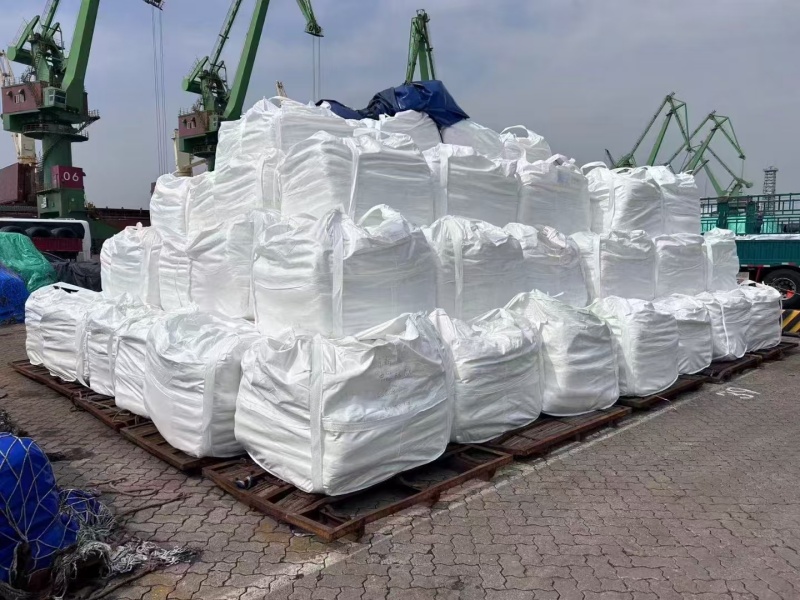
RMG serves customers in more than 50 countries and regions, with business coverage across:
Our wide market coverage allows us to respond to different purchasing needs, regional standards, and application requirements with greater flexibility.
RMG works closely with reliable chemical manufacturers and national-level enterprises to ensure product stability and supply continuity.
For global buyers, this means more than finding a supplier. It means working with a sourcing partner who can provide quality consistency, supply reliability, and long-term cooperation value.
Explore RMG's core inorganic and specialty chemical compounds exported to over 50 countries worldwide.
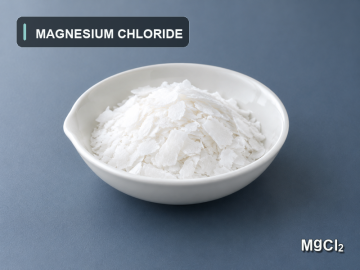 MAGNESIUM CHLORIDE - Detergent
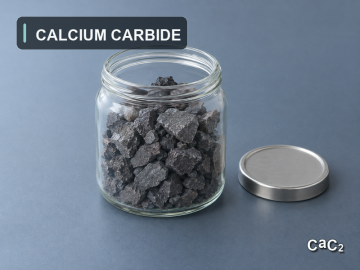 Reliable Industrial Calcium Carbide for Acetylene Generation
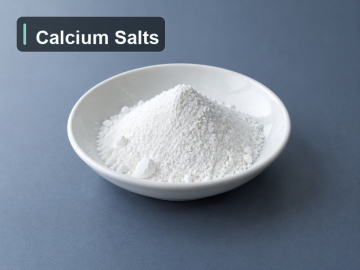 Custom Industrial Calcium Salts for Process Formulation
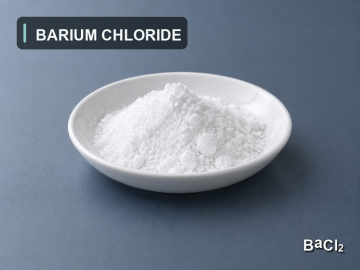 Barium Chloride Raw Material for Industrial Detergent Formulations
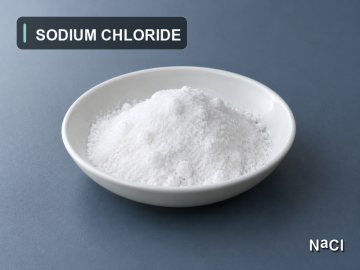 SODIUM CHLORIDE - Food Additives
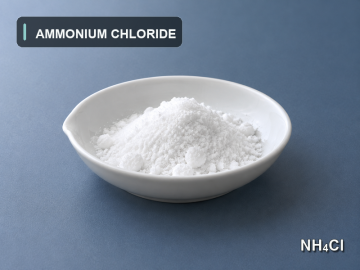 AMMONIUM CHLORIDE - Fertilizer
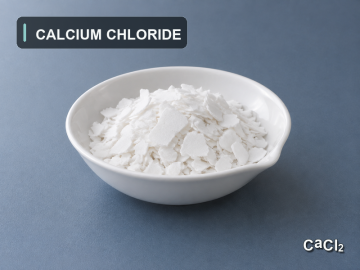 Calcium Chloride Moisture Absorber for Desiccant Applications
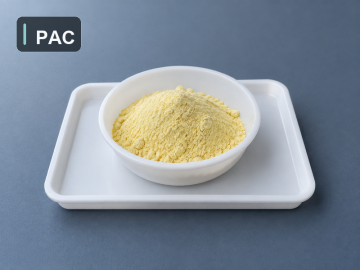 High Efficiency Polyaluminium Chloride for Water Clarification