
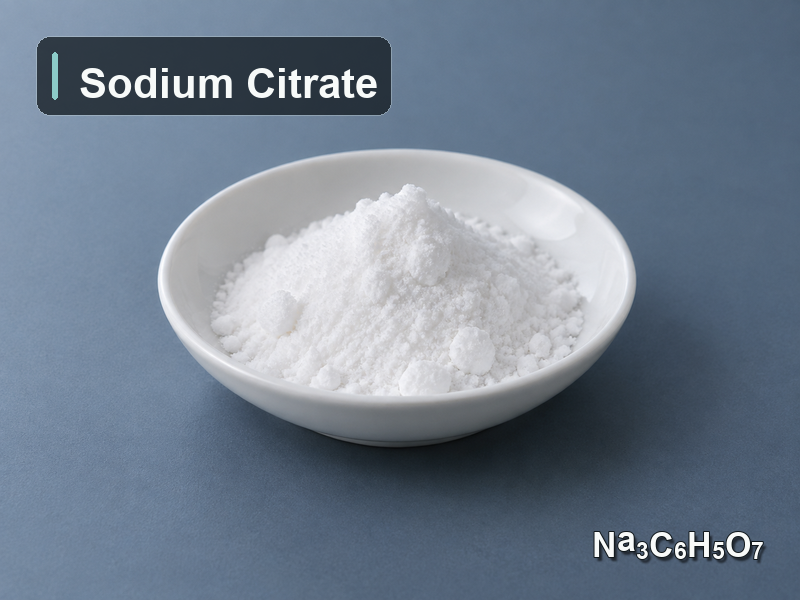
Buffering Sodium Citrate for Food and Industrial Use
Product Attributes
| Attribute | Selection Reference |
| Product | Sodium Citrate |
| Grade coverage | Food grade / industry grade; normally trisodium citrate |
| Chemical identity | Na3C6H5O7·2H2O or anhydrous form |
| Typical appearance | white crystals, granules, or powder |
| Main specification points | Assay; water; pH; alkalinity; oxalate; chloride; sulfate; heavy metals |
| Packing options | 25 kg food-grade or industrial multiwall bags with polyethylene liner; bulk bags on request |
Specification note: Reference descriptors do not supersede a COA or contract. Ask for the relevant grade sheet during qualification.
Product Description
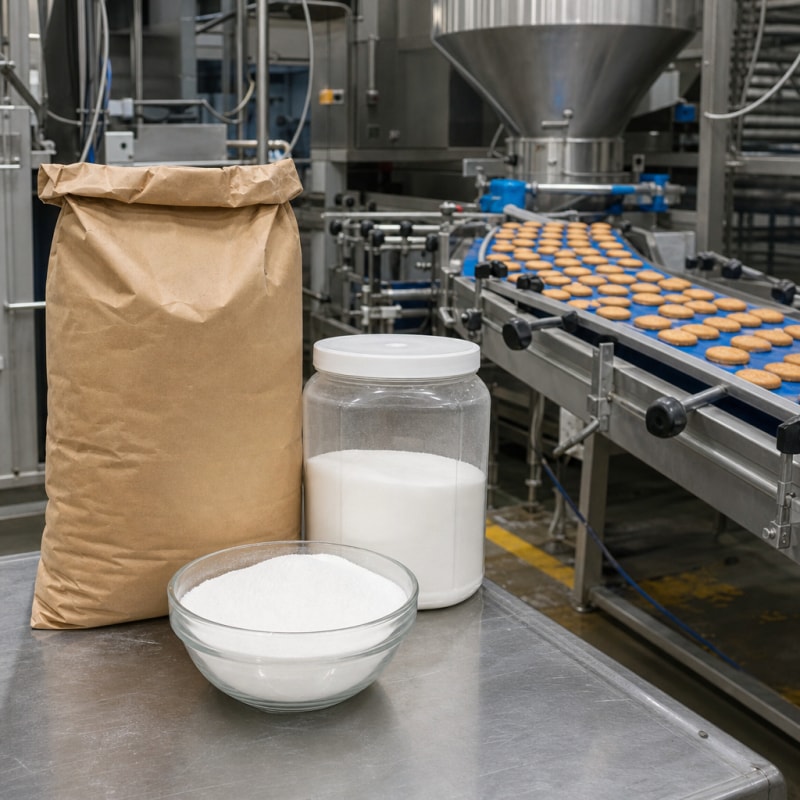
Specified as Food grade / industry grade; normally trisodium citrate, Sodium Citrate gives formulators and plant teams a clearly identified commercial input in the form of white crystals, granules, or powder. The supply discussion connects composition with the way the material will be received and processed. Confirming those details early reduces ambiguity between similarly named grades and creates a sound basis for sampling, approval, and repeat purchasing.
Material Profile and Production
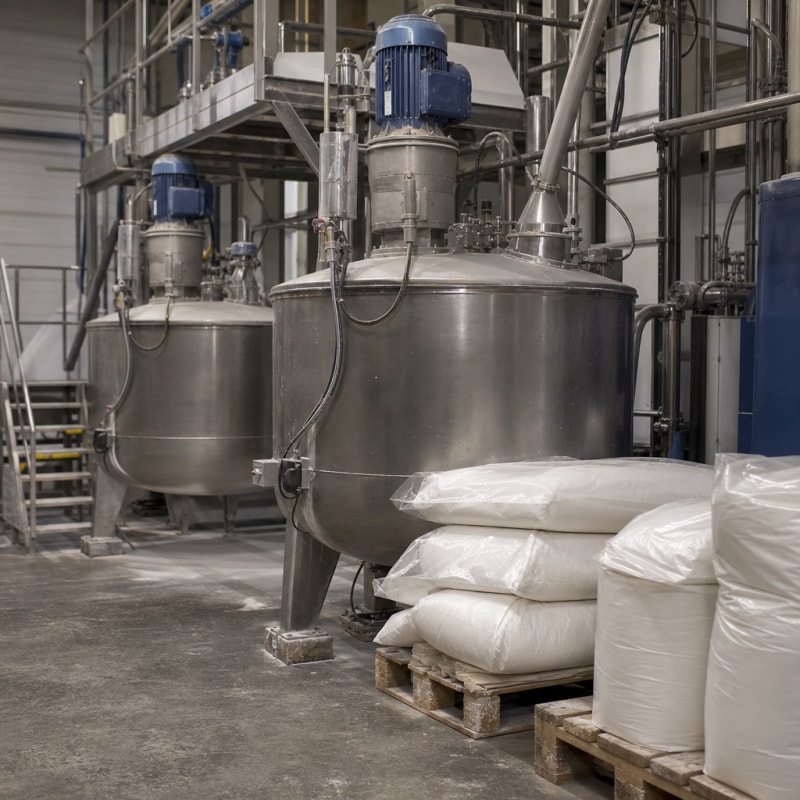
This grade is prepared through citric acid is neutralized with a qualified sodium source, then clarified, crystallized, separated, dried, and screened. Control of the last production steps determines how readily the material can be transferred, mixed, dissolved, or reacted at the user’s site. Finished units receive a lot reference, net-weight check, and closure inspection before they are cleared for warehouse release.
Key Applications and Process Value
This material is considered for beverages, processed cheese, confectionery and flavor systems where permitted, plus detergents, metal treatment, laboratory buffers, and technical chelation. It should enter a process only after compatibility and performance have been checked at an appropriate scale. The qualification record should state the tested lot, actual addition procedure, baseline material, observations, analytical outcome, and authority responsible for final technical approval.
A staged trial—laboratory, pilot, then controlled plant batch—reduces scale-up uncertainty. Analytical results should be paired with operator observations because flow, dusting, odor, foaming, deposit formation, or ease of cleanup may affect adoption even when the final test passes.
Quality Assurance and Buyer Qualification
Release review includes identity, citrate assay, hydration state, pH, alkalinity, clarity, oxalate, chloride, sulfate, and grade-specific trace limits. The agreed test method matters because preparation and instrument conditions can change the reported value. A lot-specific certificate can accompany shipment, while additional inspection or witnessed sampling is arranged only when it is included in the purchase terms.
Safe Handling and Storage
Seal against moisture and cross-contamination. Confirm dihydrate versus anhydrous basis when calculating dosage. Food applications must comply with the permitted function and use level in the destination market. Do not remove hazard marks or reuse an empty package without an approved procedure. The user is responsible for engineering controls, protective equipment, hygiene, exposure assessment, and lawful disposal based on its actual operation and jurisdiction.
Packaging, Shipping, and Service
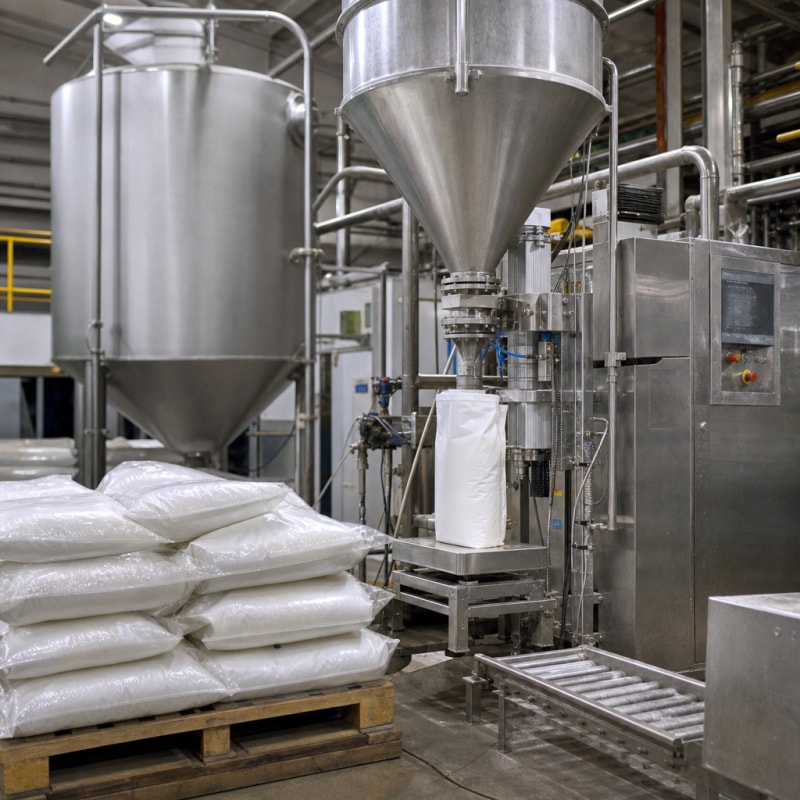
For export delivery, the usual choice is 25 kg food-grade or industrial multiwall bags with polyethylene liner; bulk bags on request. Each unit is checked for identification and closure before loading. Destination port, annual volume, unloading equipment, and preferred trade term help determine the offer. Special regulatory statements are issued only after the supporting evidence and intended wording have been accepted.
A grade comparison and evaluation sample can be coordinated when feasible; the customer retains responsibility for approving suitability and legal use.