Choosing the top Caustic Soda Sodium suppliers for 2026 isn't just about comparing prices listed on paper. Buyers around the world really need to dig deeper—looking for proof of consistent product quality, solid export experience, trustworthy documentation, and quick, helpful technical support. You see, sodium hydroxide usually comes in a few forms: 32% or 50% liquid solutions, or solid flakes and pearls. Each of these types has its own quirks when it comes to storage, handling, and shipping. For example, a 50% solution might arrive in a heated tank to keep it stable, while flakes? Those need moisture-proof packaging and a dry place to store. It’s all about knowing what you’re dealing with.
And yeah, safety should always come first. Trevor Kletz, a well-known safety expert, once said, “If you think safety is expensive, try ignorance.” That’s so true—especially when you’re buying chemicals like Caustic Soda. So, it’s smart to check certificates of analysis, impurity limits, traceability records, photos of packaging, loading procedures, and incident reports from suppliers. Companies like OxyChem, Westlake, INOVYN, and Formosa Plastics might be on your radar, but honestly, just because they’re big names doesn’t mean they’re automatically the right fit for your specific needs. Always verify—they’re not one-size-fits-all.
A good, reliable supplier in 2026 should be able to show stable production capacity, clear lead times, easy port access, and backup plans in case of equipment failures or shipping hiccups. Responsible buyers will also want to review regulatory paperwork, safety data sheets, local import rules, and emergency support options. Price? It’s important, no doubt. But it shouldn’t be the only thing influencing your decision. Cheap options can end up costing more in the long run—think delays, damaged drums, varying concentration levels, or rejected tests. This guide takes a close look at leading suppliers, weighing all the evidence. But here’s the honest truth: supplier rankings can change pretty fast, and no company is perfect. So, always double-check recent records before signing any contracts.
Caustic Soda Sodium: Definition, Forms, and Industrial Uses
Caustic Soda Sodium: Definition, Forms, and Industrial Uses
Caustic soda sodium usually means sodium hydroxide, or NaOH, a highly alkaline industrial chemical.
It appears as white flakes, pearls, or a clear liquid solution. Solid grades often contain about 98–99% NaOH, while liquid grades commonly contain 32–50%. The material absorbs moisture quickly, so sealed packaging and dry storage matter. It is not a casual cleaning product.
The U.S. Geological Survey’s Mineral Commodity Summaries 2025 estimates U.S. caustic soda production at roughly 11 million metric tons in 2024. This scale reflects its importance in alumina refining, pulp and paper, detergents, textiles, and chemical manufacturing. In water treatment, operators use sodium hydroxide to adjust pH and neutralize acidic streams. Pulp mills also use it to separate lignin from wood fibers. Small process errors can create large safety problems.
Liquid caustic soda suits continuous dosing systems and heated pipelines. Solid forms reduce transport water but require careful dissolution. Buyers should compare concentration, impurity limits, packaging, and delivery temperature.
The International Aluminium Institute links caustic soda demand closely with alumina refining activity. Still, demand forecasts can miss regional shutdowns and energy shocks. That uncertainty deserves attention. Always verify the latest certificate of analysis, safety data sheet, and local handling requirements before purchase.
Key Factors for Evaluating Global Caustic Soda Suppliers
2026 Top Caustic Soda Sodium Suppliers for Global Buyers?
Global buyers need more than a competitive caustic soda price. They need evidence that supply will remain safe, consistent, and traceable. The evaluation should begin with product quality. Ask for recent certificates of analysis, concentration ranges, impurity limits, and production dates. A current safety data sheet is essential. For membrane-grade sodium hydroxide, confirm chloride, iron, and carbonate levels. Small differences can affect downstream equipment and product quality.
Consistency matters. Request batch records, sampling methods, and storage conditions. Suppliers should explain whether they use liquid bulk, drums, or intermediate bulk containers. Packaging details reveal practical experience. Check container compatibility, sealing methods, loading procedures, and emergency documentation. A remote factory claim is not enough. Consider an independent inspection when the order is large.
Delivery reliability also deserves careful review. Compare production capacity, export experience, port access, lead times, and backup routes. Clarify the accepted trade terms, payment stages, demurrage responsibilities, and insurance coverage. Ask how the supplier handles damaged containers or delayed vessels. Their answers often show more than a polished quotation.
Do not choose on price alone. That assumption can be costly. Review applicable chemical transport rules, import documents, labeling requirements, and local registration duties. Verify company records and audit communication quality. A dependable supplier answers technical questions clearly, shares realistic capacity figures, and admits limitations. That honesty may be more valuable than a perfect sales presentation.
2026 Top Caustic Soda Sodium Suppliers for Global Buyers
Key Factors for Evaluating Global Caustic Soda Suppliers
Commercial caustic soda is commonly supplied as liquid solution or solid material. Typical sodium hydroxide content is approximately 48–51% for liquid caustic soda and 98–99% for solid forms. Buyers should verify the contracted specification, impurity limits, packaging, delivery reliability, regulatory documents, and port-handling capability before selecting a supplier.
Reference basis: commonly traded commercial specifications. Actual values may vary by producer, region, grade, and sales contract.
Leading Caustic Soda Sodium Supplier Regions in 2026
Leading Caustic Soda Sodium Supplier Regions in 2026
China remains the largest caustic soda production center, supported by broad chlor-alkali capacity and strong demand from alumina, textiles, pulp, and chemicals. S&P Global Commodity Insights’ 2025 chlor-alkali outlook identifies Asia as the dominant regional supply base through 2026. China’s scale can support competitive pricing, but inland delivery may add rail, barge, or container costs. Regional availability differs sharply.
The United States Gulf Coast is another important sourcing region. The U.S. Geological Survey reported approximately 11.6 million metric tons of domestic caustic soda production in 2023. This area offers integrated plants, reliable salt supplies, and efficient export terminals.
Europe remains technically advanced, although energy costs and environmental controls can influence operating rates. UN Comtrade trade statistics also show significant cross-border movement among European markets, highlighting the value of nearby supply.
The Middle East is expanding its position through new chemical and industrial projects. It can serve buyers in South Asia, Africa, and the Mediterranean with shorter ocean routes. Yet, buyers should verify membrane-cell technology, concentration, packaging, and port storage conditions. A low quoted price may hide freight surcharges or dilution losses. Small details matter. Reports provide direction, not certainty. Production outages, electricity prices, and shipping disruptions can change regional rankings quickly in 2026.
Product Grades, Specifications, and Quality Standards
Global buyers should match caustic soda grade to the process, not only the quoted price. Liquid sodium hydroxide commonly arrives at 32%, 48%, or 50% concentration. Solid products are usually supplied as flakes, pearls, or granules. Each form affects storage, dilution, transport, and worker handling. Choose carefully.
A reliable specification should state sodium hydroxide purity, sodium carbonate, sodium chloride, iron, chlorate, and insoluble matter. For high-purity applications, trace metals may matter more than appearance. Food, pharmaceutical, and water-treatment uses can require different limits and documentation. A clear certificate of analysis should identify the batch, test method, production date, and sampling basis. “Meets standard” is too vague.
Quality checks should connect with recognized standards, customer specifications, and applicable transport rules. Buyers should request an SDS, packaging details, concentration tolerance, and retest policy before shipment. Drums, tanks, and bags need compatible materials because caustic soda attacks some metals and damages skin quickly. Small details matter. In practice, a bright white flake does not prove low contamination. A complete document can still hide weak sampling. I would verify independent test results for critical orders, although this adds time and cost. Suppliers should also explain traceability, storage conditions, and how they handle damaged packages or concentration changes during transit.
Export Capacity, Packaging, and International Logistics
Global buyers should rank caustic soda suppliers by export capacity, consistency, and logistics discipline, not quoted price alone. The S&P Global Commodity Insights 2024 chlor-alkali outlook places global caustic soda nameplate capacity above 100 million metric tons annually. Asia represents the largest production base, according to ICIS 2024 supply-demand analysis. However, capacity is not equal to dependable export volume. Buyers should request three years of shipment records, monthly allocation data, and evidence of backup production.
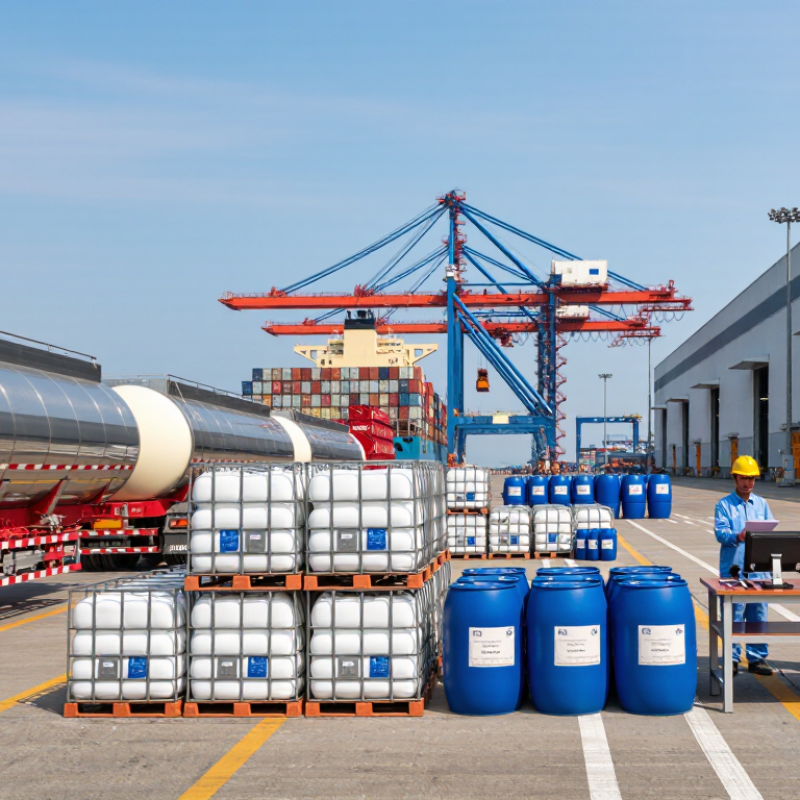
Packaging must match the product form and destination. Solid sodium hydroxide commonly moves in 25-kilogram or 50-kilogram bags, with larger flexible intermediate bulk containers for industrial users. Liquid grades usually require certified ISO tanks, tank containers, or bulk chemical vessels. Packaging failures are expensive. One damaged liner can contaminate a full shipment. Suppliers should provide current safety data sheets, batch certificates, moisture controls, and container inspection records. Buyers should also verify that labels and documents meet destination-country requirements.
International logistics often decides the real supplier ranking. UN Comtrade trade data for 2023–2024 shows substantial cross-border movement under HS code 281512, but trade statistics do not reveal delays, demurrage, or port congestion. Ask for Incoterms, loading-port history, transit-time ranges, and emergency replacement plans. Keep a second origin available. That may increase cost slightly. It reduces operational exposure. A practical weakness remains: many procurement comparisons still rely on annual capacity figures instead of delivered reliability. That deserves closer review.
Pricing, Compliance, and Risk Management for Global Buyers
Global caustic soda purchasing now requires more than comparing quoted prices. ICIS and Argus market assessments show that liquid and flake sodium hydroxide prices vary by region, concentration, freight, and contract timing. Electricity remains a major cost driver. The European Commission’s Chlor-Alkali BREF reports electricity consumption of roughly 2.2–3.0 MWh per tonne of chlorine, linking energy volatility to supplier pricing. Buyers should request a clear formula, delivery basis, concentration, packaging cost, and surcharge mechanism.
Compliance needs equal attention. The UN Globally Harmonized System requires hazard classification, labels, and safety data sheets for corrosive substances. In the European Union, REACH and CLP obligations affect registration, communication, and downstream handling. In the United States, buyers should verify applicable TSCA requirements and transport rules before shipment. Documentation must match the actual product. A mismatched concentration can create serious handling and customs problems.
Risk management works best with evidence. Check recent certificates of analysis, plant quality records, loading photos, and independent inspection results. UN Comtrade data can help buyers compare trade flows under HS codes 281511 and 281512, although customs data may not reveal product grade or purity. Keep at least two qualified supply routes where practical. Still, diversification is not automatically safer. More suppliers can mean inconsistent specifications. I have seen purchasing teams focus on the lowest delivered price and overlook demurrage, storage corrosion, or delayed documents. That mistake is expensive. Supplier reviews should include financial stability, emergency response, batch traceability, and realistic lead times, not only a sales quotation.
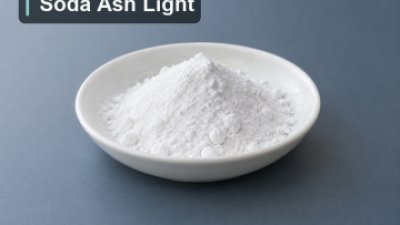
Soda Ash Light: The Essential Alkalinity Builder for High-Performance Powder Detergent Formulations
Soda Ash Light is an essential alkalinity builder for high-performance powder detergent formulations. With the chemical formula Na₂CO₃, it helps raise pH, soften hard water, and improve the removal of grease, oils, and acidic soils. Its light, free-flowing powder form supports uniform blending with surfactants, builders, and other detergent ingredients. According to the U.S. Geological Survey’s *Mineral Commodity Summaries 2024*, U.S. soda ash production reached approximately 11.7 million metric tons in 2023, reflecting the material’s significant role across glass, chemical, and cleaning applications.
In laundry powders, Soda Ash Light enhances builder efficiency and helps maintain the alkaline conditions required for effective soil suspension. It is also suitable for dishwashing products, institutional sanitation, and industrial cleaning formulations where dependable pH adjustment is important. Supplied to the GB 210.1-2004 standard, the product is available in 25 kg, 40 kg, 50 kg, and 1,000 kg PP woven bags for flexible handling and commercial-scale procurement. Reliable sourcing can include product selection, technical documentation, logistics coordination, and export-oriented supply support for stable deliveries.
FAQS
Compare export capacity, shipment consistency, and logistics discipline. Annual capacity alone can mislead. Ask for three years of shipment records and monthly allocation data. Capacity is only a promise.
Request backup production records, recent loading history, and realistic allocation figures. Check whether the supplier handled seasonal demand without repeated delays. This review may still miss hidden problems.
Solid material commonly uses 25-kilogram or 50-kilogram bags. Industrial users may require flexible bulk containers. Liquid material usually needs approved tanks or bulk chemical vessels. One damaged liner can contaminate an entire shipment.
Request current safety data sheets, batch certificates, moisture controls, and container inspection records. Verify labels and shipping documents against destination-country requirements. Small paperwork errors become expensive quickly.
Request the pricing formula, delivery basis, concentration, packaging cost, and surcharge mechanism. Include freight, storage, demurrage, and possible corrosion costs. The lowest quote may not be the lowest delivered cost.
Confirm Incoterms, loading-port history, transit-time ranges, and emergency replacement plans. Review port congestion and document delays. Keep a second supply origin when practical.
Documents should show accurate hazard classification, labels, safety data, and transport information. Check applicable registration and chemical-control requirements in the destination market. A concentration mismatch can disrupt customs and handling.
Review recent certificates of analysis, plant quality records, loading photos, and independent inspection results. Maintain at least two qualified supply routes when possible. More suppliers are not always safer. Different specifications can create new problems.
Conclusion
This guide to the 2026 top Caustic Soda Sodium suppliers helps global buyers understand the product’s definition, common forms, and major industrial uses, including chemical processing, pulp and paper, textiles, water treatment, and manufacturing. It explains how to evaluate suppliers through production capability, product consistency, technical support, supply reliability, and experience serving international markets. The guide also reviews leading supplier regions and the factors that influence their competitiveness.
Buyers will learn how to compare product grades, concentration levels, specifications, and quality standards for different applications. It also covers export capacity, packaging options, shipping arrangements, storage requirements, pricing structures, regulatory compliance, documentation, and supply-chain risk management. By assessing these elements together, companies can identify dependable Caustic Soda Sodium sources, control purchasing costs, reduce logistical uncertainty, and build a safer, more transparent, and resilient international procurement strategy.