So, how do you buy sodium hydroxide safely in 2026? Honestly, it's not just a price-check exercise. Sodium hydroxide is a seriously corrosive chemical—used in manufacturing, water treatment, cleaning, and labs—and a careless purchase can create problems before the drum even shows up.
Dr. Trevor Kletz once said, 'Safety is not a gadget but a state of mind.' That idea still holds up when you're sizing up Hydroxide Sodium Hydroxide suppliers in 2026. You'll want to confirm the concentration, grade, batch details, safety data sheet, and packaging standards. A good supplier actually communicates. They also give you traceable paperwork and real-world handling advice—not just a spec sheet.
Then look at the container itself. Secure caps, intact labels, corrosion-resistant materials, and clear hazard info all matter. Delivery matters too. Ask how they protect the shipment from moisture, heat, physical damage, and unauthorized access. Local chemical rules can shift, so check with the relevant authority before you order. And please, don't rely on a pretty listing alone.
Experience teaches a tough lesson: a professional-looking website doesn't prove much. Even a solid checklist can miss a weak transport plan or outdated documents. Worth pausing on that. This guide looks at supplier credibility, product specs, storage expectations, delivery controls, and emergency prep. It won't replace formal workplace training or a site-specific risk assessment. Safe purchasing really starts with one simple choice: go with verified information over convenience.
Sodium hydroxide is a highly corrosive alkali, commonly called caustic soda. It appears as white pellets, flakes, or a clear solution. Its most familiar uses include pulp and paper production, alumina refining, soap making, chemical processing, and water treatment. The OECD and European Chemicals Agency describe it as a high-volume industrial substance, not a casual household chemical. Even dilute solutions can irritate skin and eyes.
Safety begins before purchase. The NIOSH Pocket Guide lists a 2 mg/m³ ceiling limit and a 10 mg/m³ IDLH value for airborne sodium hydroxide. The number is sobering. Buyers should request a current Safety Data Sheet, concentration details, hazard classification, and batch traceability. Check whether the container is sealed, corrosion-resistant, and clearly labeled. “N Sodium Hydroxide” may appear in a product search, but the chemical name, concentration, and grade still require verification. A cheaper listing can hide unclear specifications.
At delivery, inspect for swelling, leaks, damaged caps, or wet cartons. Never accept compromised packaging. Sodium hydroxide releases substantial heat when mixed with water, so storage instructions matter. Keep it dry, secured, and separated from acids, reactive metals, and incompatible chemicals. The U.S. Occupational Safety and Health Administration sets a 2 mg/m³ permissible exposure limit. Still, relying only on that figure feels incomplete. Workplace ventilation, protective equipment, staff training, and an emergency eyewash station remain essential. Purchase quantities should match documented use, not optimistic estimates.
Before purchasing in 2026, check the rules that apply to your location, business, and intended use. Sodium Hydroxide Is commonly classified as a hazardous corrosive substance, so sellers may request identification, business registration, or an end-use statement. Some regions also require permits for larger quantities. Contact your local chemical-safety authority before placing an order. Regulations can change. Do not rely on an old workplace form.
Tips: Ask for the current Safety Data Sheet (SDS), product concentration, packaging details, and transport classification. Confirm whether your workplace needs a trained chemical handler. Check that the delivery address can legally receive corrosive materials. Keep written records of approvals, invoices, and supplier communications.
Legal checks should continue after purchase. Your storage area may need clear labels, secondary containment, ventilation, and restricted access. Inspect the container when it arrives. A damaged cap, wet carton, or faded label needs immediate attention. Do not transfer the chemical into an unmarked bottle. Disposal rules may also apply to unused material and contaminated rinse water, depending on local regulations. Requirements are not always obvious, and online advice can be incomplete. When uncertain, ask a qualified safety professional or government office for written guidance. That extra step may feel slow, but it is safer than correcting a compliance mistake later.
Buying sodium hydroxide safely in 2026 starts with supplier verification, not price comparison. A reliable supplier should provide a current Safety Data Sheet, Certificate of Analysis, lot number, and traceable production date. For 6N Sodium Hydroxide, confirm concentration, carbonate content, trace metals, and container compatibility. Ask whether every shipment receives documented quality testing.
Look beyond polished websites. The UNECE Globally Harmonized System classifies concentrated sodium hydroxide as severely corrosive. The NIOSH Pocket Guide lists an IDLH concentration of 10 mg/m³. These figures show why sealed packaging, trained handling, and clear emergency instructions matter. The U.S. Department of Transportation’s 2024 Emergency Response Guidebook places sodium hydroxide under corrosive material guidance. Your supplier should identify the correct transport classification before dispatch.
Small details reveal supplier maturity. Check whether caps arrive tight, labels remain readable, and secondary containment protects the outer carton. Request confirmation of storage temperature and shelf-life expectations. A supplier should also explain how damaged containers are reported and replaced. No checklist is perfect. I would still verify one recent batch independently when trace-metal limits affect analytical work. Avoid suppliers that resist technical questions or provide generic documents. Compliance is not a slogan; it is evidence, consistency, and a response plan when something goes wrong.
Choose the grade according to the job, not the lowest price. Reagent grade supports laboratory testing and tighter impurity control. Technical grade may suit approved industrial cleaning or processing applications. Never substitute it where documented purity is required.
Concentration changes handling risk. Solid pellets or flakes contain little water but absorb moisture quickly. Solutions commonly range from 25% to 50%, and stronger solutions demand greater corrosion control. Check the certificate of analysis, safety data sheet, lot number, and stated concentration before purchase. A clear specification prevents costly assumptions.
Packaging deserves equal attention. Look for compatible high-density polyethylene containers, secure caps, intact seals, and readable hazard labels. A leaking container is unacceptable. During receiving, inspect for damp clumps, crystallized residue, bulging containers, or damaged outer packaging. These details often reveal poor storage or transport. Store the material in a cool, dry, ventilated area, away from acids and incompatible metals.
Dilution generates intense heat. Add sodium hydroxide slowly to water, never the reverse, while using suitable protective equipment. Even careful buyers can overlook container compatibility during long storage. I would also verify the supplier’s technical support and traceability records before ordering. Reliable documentation matters as much as the chemical itself.
How to Buy Sodium Hydroxide Safely in 2026?
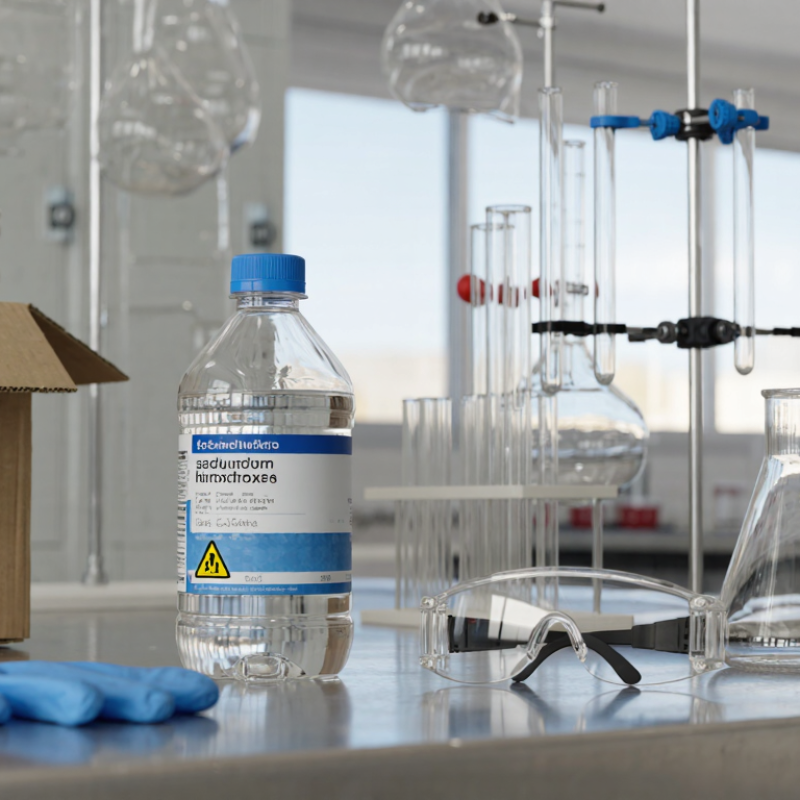
A reliable purchase begins with the container label. Check the chemical name, concentration, net volume, lot number, and manufacturing date. For a solution such as 5M Sodium Hydroxide, confirm the stated molarity and solvent. The label should show corrosive hazard information and clear storage guidance. Avoid containers with faded print, swelling, leaks, or damaged seals. Small defects matter.
Read the current Safety Data Sheet before ordering. Pay close attention to Sections 2, 4, 7, and 8. These sections explain hazards, first aid, handling, storage, and protective equipment. Section 10 can reveal incompatible materials, including acids and certain metals. The supplier should provide a complete SDS, not a shortened product note. Check its revision date. An old document may hide important changes.
Product quality requires more than a strong-looking label. Request a Certificate of Analysis when consistent concentration matters. Compare its lot number with the container. Inspect the package when it arrives, preferably in a designated receiving area with suitable ventilation. Do not accept unexplained substitutions. Even experienced buyers can overlook mismatched documents during busy deliveries. I would verify twice, especially when the chemical supports testing, cleaning, or process work. Store it according to the SDS, away from acids, moisture, heat, and incompatible materials. Keep access controlled and records traceable.
Buying sodium hydroxide safely begins before payment. Select a supplier that provides a current Safety Data Sheet, clear concentration details, and traceable batch information. Confirm the product matches your process and storage capacity. Do not buy more than trained staff can manage. Over-ordering creates avoidable risk.
Plan transport with a licensed hazardous-material carrier. Keep containers upright, sealed, and protected from impact. Liquid sodium hydroxide needs compatible packaging and secure secondary containment. Keep it away from acids, food, moisture, and metals such as aluminum or zinc. Check delivery conditions before signing. A damaged drum should not enter your facility. Photograph it, isolate it, and contact the supplier.
Store the chemical in a cool, dry, well-ventilated area with restricted access. Use corrosion-resistant shelving and a clearly labeled spill tray. Keep an eyewash station and emergency shower nearby, with access kept completely clear. Staff should wear suitable gloves, eye protection, and face protection after reviewing the SDS. If contact occurs, flush skin or eyes with clean running water for at least 15 minutes and seek urgent medical care. Remove contaminated clothing carefully. For spills, keep untrained people away and call trained responders. Do not improvise neutralization; mixing chemicals can generate heat and splashes. No checklist is perfect. A missing inspection date or blocked shower can undo careful planning. Recheck these details before every shipment and after every incident.
| Planning Dimension | Verified Safety Data | What to Confirm Before Purchase | Practical Control |
|---|---|---|---|
| Chemical identity | Sodium hydroxide, also called caustic soda; chemical formula NaOH; CAS Registry Number 1310-73-2. | Whether the product is supplied as solid pellets, flakes, beads, or an aqueous solution. | Do not rely on the trade description alone. Match the order specification, container label, and Safety Data Sheet (SDS). |
| Concentration and form | Solid sodium hydroxide is highly corrosive. A solution may have different hazards depending on concentration and temperature. | Declared concentration, water content, physical state, assay range, impurities, and minimum shelf-life or retest information. | Select the lowest concentration and quantity that safely meets the process requirement. |
| Hazard classification | GHS hazard class: skin corrosion and serious eye damage. It can cause severe chemical burns and permanent eye injury. | Current SDS Sections 2, 4, 7, 8, 10, 13, and 14, prepared for the destination country or region. | Perform a documented chemical risk assessment before receiving or using the material. |
| Supplier qualification | Safety depends on correct labeling, packaging, SDS quality, and compliant transport—not only on chemical purity. | Traceable lot information, certificate of analysis where required, tamper-evident packaging, emergency contact, and transport capability. | Reject containers that are leaking, damaged, unlabeled, swollen, or inconsistent with the order and SDS. |
| Transport classification | Sodium hydroxide solid is generally shipped as UN 1823; sodium hydroxide solution is generally shipped as UN 1824. Both are Class 8 corrosive substances, subject to applicable transport rules. | Correct UN number, proper shipping name, packing group, quantity limits, labels, documentation, and approved packaging for the transport mode. | Use trained dangerous-goods personnel and verify road, sea, air, or rail requirements before dispatch. |
| Packaging and loading | Sodium hydroxide attacks certain metals and may generate hydrogen with some reactive metals, including aluminum and zinc. | Container compatibility, closure integrity, secondary containment, pallet stability, and segregation from incompatible cargo. | Keep containers upright and secured. Protect solid product from moisture and prevent contact with acids during loading and transit. |
| Receiving inspection | Dissolving sodium hydroxide in water releases substantial heat and can cause splashing or localized boiling. | Delivery condition, seal numbers, label legibility, quantity, concentration, SDS revision date, and visible leakage or crystallization. | Inspect in a controlled area with suitable PPE. Isolate damaged packages and contact emergency or technical support. |
| Storage conditions | Solid sodium hydroxide is hygroscopic and absorbs moisture and carbon dioxide from air. Solutions may crystallize when sufficiently cooled. | Temperature range, ventilation requirements, spill containment capacity, container material, and access controls. | Store in a cool, dry, well-ventilated, locked corrosives area with tightly closed compatible containers and suitable secondary containment. |
| Incompatible materials | Reacts vigorously with acids. It can react with ammonium compounds and some metals; contact may produce heat, corrosive vapors, or flammable hydrogen. | Whether the storage area has separate locations for acids, ammonium salts, reactive metals, and incompatible waste. | Use a compatibility matrix and never store sodium hydroxide above materials that could be damaged by a leak. |
| Required PPE | Corrosive exposure can injure skin, eyes, and respiratory tissues, especially from dust, mist, or aerosol. | Task-specific PPE assessment, glove compatibility data, face protection, protective clothing, and respiratory controls where needed. | Use chemical-resistant gloves, protective clothing, safety goggles, and a face shield for splash-risk operations; use engineering controls first. |
| Dilution and handling | The dissolution process is strongly exothermic and may cause rapid heating, splattering, or boiling. | Whether the process has suitable mixing, cooling, ventilation, splash protection, and written operating procedures. | Add sodium hydroxide slowly to water with controlled stirring and cooling; never pour water onto solid sodium hydroxide. |
| Spill response | A spill can create a severe corrosive hazard and may contaminate drains and waterways. | Availability of a written spill plan, trained responders, compatible absorbent, non-metal tools, drain protection, and waste containers. | Evacuate unnecessary personnel, isolate the area, avoid contact, prevent entry into drains, and use only procedures approved by the SDS and local emergency plan. |
| Eye or skin contact | Chemical burns may continue to worsen after exposure and require urgent medical evaluation. | Accessible eyewash and safety shower, clear signage, unobstructed routes, and trained personnel. | Immediately flush eyes or skin with plenty of water for at least 15 minutes, remove contaminated clothing, and obtain urgent medical attention. Do not delay flushing. |
| Inhalation or ingestion | Dust or mist can damage the respiratory tract; ingestion can cause severe burns to the mouth, throat, and digestive tract. | Local emergency number, poison-information contact, SDS, and site-specific first-aid instructions. | Move an inhalation casualty to fresh air if safe. For ingestion, do not induce vomiting; seek immediate medical or poison-control advice. |
| Waste and disposal | Sodium hydroxide waste remains corrosive until properly treated or managed. | Applicable local waste rules, compatible waste containers, labeling, neutralization authority, and licensed disposal route. | Do not discharge concentrated material to drains or mix it with acidic or incompatible waste. Follow the SDS and local regulations. |
Check local rules, intended use, business requirements, and quantity limits. Sellers may request identification or an end-use statement. Regulations change. Confirm current requirements with a safety authority.
Request a current Safety Data Sheet, product concentration, packaging details, and batch information. Ask for a Certificate of Analysis when concentration matters. Match its lot number with the container.
It should show the chemical name, concentration, net volume, lot number, and manufacturing date. Hazard information must be clear. Avoid faded labels, swelling, leaks, or damaged seals.
Confirm the concentration, solvent, quantity, and storage capacity. Review the SDS before ordering. Do not purchase more than trained staff can safely manage.
Use a qualified hazardous-material carrier. Keep containers upright, sealed, and protected from impact. Use compatible packaging and secondary containment. Do not accept a damaged drum.
Store it in a cool, dry, ventilated area with restricted access. Use corrosion-resistant shelving and a labeled spill tray. Keep it away from acids, moisture, heat, food, aluminum, and zinc.
Keep an accessible eyewash station and emergency shower nearby. Workers need suitable gloves, eye protection, and face protection. Review the SDS before handling. Keep access completely clear.
Flush the affected area with clean running water for at least 15 minutes. Remove contaminated clothing carefully. Seek urgent medical care. I might underestimate small exposures, so caution matters.
Keep untrained people away and contact trained responders. Do not improvise neutralization. Chemical mixing can create heat and splashes. Inspect procedures after every incident.
Buying sodium hydroxide safely in 2026 requires careful planning, legal awareness, and responsible handling. Before purchasing, understand its common uses and confirm that your intended application complies with all relevant local regulations. Choose a reliable, compliant chemical supplier that can provide clear product information, consistent quality, and appropriate customer support. Compare grades, concentrations, and packaging based on your specific needs, while avoiding quantities or formats unsuitable for your facilities. The term “Hydroxide Sodium Hydroxide” may appear in searches or product records, but buyers should always verify the exact chemical identity and specifications before ordering.
Before accepting a shipment, check the label, safety data sheet, concentration, batch details, and packaging condition. Plan transport and storage carefully by using compatible containers, secure areas, suitable ventilation, and restricted access. Prepare emergency procedures for spills, splashes, or exposure, including appropriate protective equipment and first-aid guidance. Safe purchasing is not only about finding the right product; it also involves verifying documentation, following applicable rules, and ensuring that everyone handling the material understands its hazards.