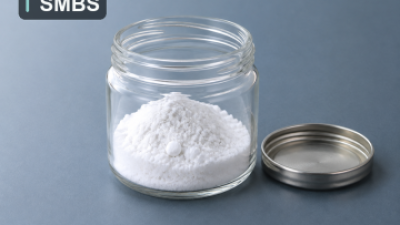
Picking the right supplier for China Acid Sodium Bicarbonate isn't just about comparing prices—there's a bit more to it. For starters, you really need to double-check the product name because some suppliers might call it different things, like acid-grade, feed-grade, or industrial sodium bicarbonate. A smart buyer should ask for the exact chemical specs, including the CAS number, purity levels, particle size, moisture content, and what they plan to use it for—before even making contact.
Experienced sourcing folks usually look at several things all at once. A reliable supplier will happily send you a recent Certificate of Analysis, a clear Safety Data Sheet, photos of their production process, and info on each batch that’s traceable. It's also worth checking if they control raw materials, drying conditions, screening, and how they package the final product. When you get a sample, it should come sealed, with a consistent powder appearance and readable labels—those little details can tell you a lot about their overall quality habits.
And don’t forget factory verification—that’s another crucial step. Look into their export experience, any quality certifications they have, their lab equipment, and how quick they are at replying. It’s also a good idea to ask how they handle rejected batches, damaged pallets, or delays in shipment. Their answers often reveal more than what’s on their shiny website. Sure, price matters, but overly cheap offers should raise some red flags. They might just be offering lower purity, less sturdy packaging, or cutting corners somewhere else. No supplier is perfect, but I’ve seen buyers focus so much on unit price that they overlook moisture protection during ocean shipping, which can totally ruin the product.
Ultimately, the best choice is one that offers consistent quality, solid technical support, transparent documentation, and reliable delivery. Make sure to compare at least three good Chinese suppliers, test samples in actual conditions, and put everything you agree on in the purchase contract. Yeah, this whole process might take more time, but it usually saves you from costly problems down the line—better to be safe than sorry!
Define Your Required Acid Sodium Bicarbonate Specifications
Before choosing a China acid sodium bicarbonate supplier, define the product you actually need. “Food grade” is not enough. Record the required purity, appearance, odor, moisture, particle size, and packaging format. For baking applications, reaction speed and gas release can affect dough volume and texture. For industrial use, bulk density, flowability, and consistency may matter more.
Ask for a current specification sheet and a batch-specific certificate of analysis. Check sodium bicarbonate content, pH, heavy metal limits, chloride, sulfate, and moisture values. If the material contacts food, confirm applicable food safety certifications and traceability documents. Request samples from different production batches. One sample can look perfect.
Some details are easy to miss. Confirm whether particle size means average size or a controlled sieve range. Clarify the inner liner, bag weight, pallet method, and storage conditions. Moisture exposure can cause caking during transportation, especially in humid seasons. Also ask how the supplier controls batch variation and handles nonconforming goods.
I once focused too heavily on purity and overlooked reaction timing. That mistake affected the final formula. A reliable supplier should answer technical questions clearly, provide testing methods, and explain realistic tolerances. Do not accept vague claims such as “stable quality” without measurable limits, retained samples, and an agreed inspection procedure.
Compare China Supplier Qualifications and Manufacturing Capabilities
Choosing China’s best acid sodium bicarbonate supplier requires more than comparing prices. Supplier qualifications should match your application, import requirements, and quality expectations. Request business licenses, relevant management certifications, product specifications, safety data sheets, and recent certificates of analysis. Check whether these documents identify the actual manufacturing site. A trading company may offer convenience, but its technical control can be limited.
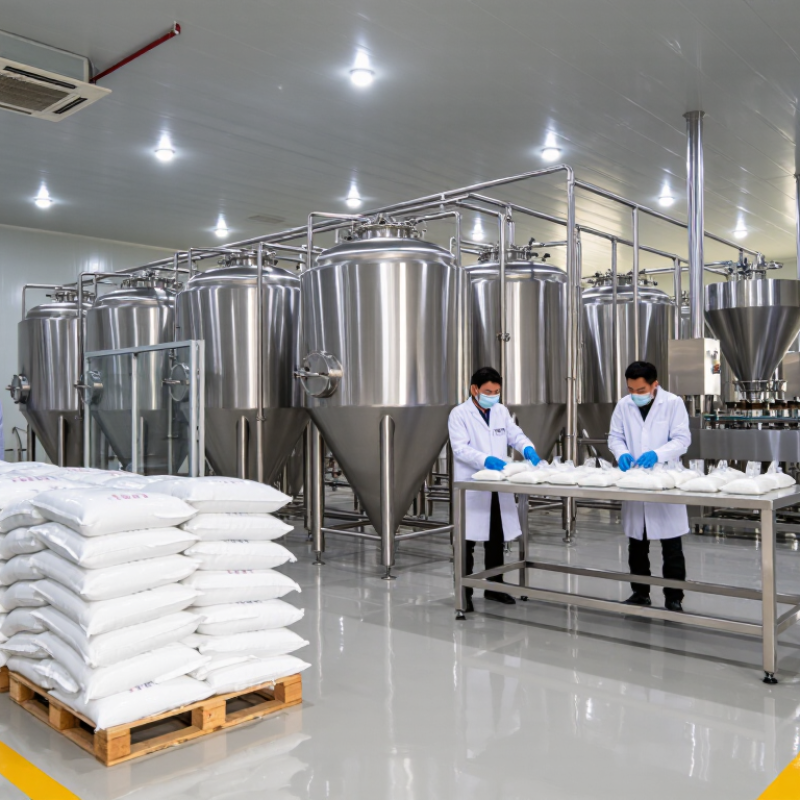
Manufacturing capability deserves closer inspection. Ask how raw materials are approved and how each batch is traced. Review the production flow, including reaction control, crystallization, drying, milling, and packaging. Stable temperature control and clean equipment can affect particle size, moisture, purity, and performance. The supplier should explain its laboratory methods, testing frequency, and calibration records. Small samples are useful, but they cannot represent every production batch.
Look for measurable evidence.
A capable supplier can provide batch records, retention samples, inspection reports, and realistic production lead times. Confirm whether the factory can maintain consistency during peak orders, not only during a scheduled visit. Packaging details also matter. Moisture-resistant bags, clear labels, and controlled storage help protect the material during transport. Be cautious when a supplier promises perfect results without discussing limitations. No factory is perfect. A stronger partner admits possible variation and explains corrective actions. Independent testing before a large purchase remains wise, even when the paperwork looks complete.
Verify Product Quality, Purity, and Compliance Documentation
How to Choose China Best Acid Sodium Bicarbonate Supplier?
When choosing an acid sodium bicarbonate supplier in China, verify quality before comparing prices. Request a current Certificate of Analysis for each production batch. Check purity, moisture, particle size, pH, and appearance against your specification. The document should show testing methods, batch numbers, production dates, and authorized signatures.
Do not rely on a certificate alone. Ask for a representative sample and compare it with the submitted results. An independent laboratory can confirm critical values when the material supports food, pharmaceutical, or technical applications. Request the Safety Data Sheet, technical data sheet, and applicable compliance documents. These may include quality management certificates, traceability records, and declarations for your destination market. Requirements differ by use and country, so confirm them with a qualified compliance professional. A polished document is not proof by itself.
Tips: Check that the company name, factory address, batch code, and document dates match. Ask how rejected batches are controlled. Inspect packaging labels and sealing during a video call or site visit. Keep written records of every answer. No checklist is perfect. A supplier may answer confidently but still provide incomplete evidence. Treat missing details as a reason to investigate, not an automatic rejection. Suppliers who explain limitations clearly often appear more reliable than those promising flawless results.
Assess Production Capacity, Packaging, and Supply Reliability
When choosing a China-based sodium bicarbonate supplier for acid-neutralization applications, examine production capacity beyond website claims. The USGS Mineral Commodity Summaries 2024 reports global soda ash production at about 70 million metric tons in 2023. Soda ash is a key upstream material for sodium bicarbonate. Ask suppliers for monthly output, reactor or conversion capacity, and recent batch records. A large factory is not automatically reliable. Capacity may be reserved during maintenance or seasonal demand.
Packaging directly affects product quality. Confirm whether bags use moisture-resistant inner liners, suitable pallets, and sealed stitching. For bulk shipments, inspect container loading photos and weight records. Request a Certificate of Analysis for every batch, including purity, moisture, particle size, and heavy-metal limits. ISO 9001 certification helps, but it does not replace independent testing. The European Chemicals Agency emphasizes accurate classification, labeling, and safety information for chemical products. Check that the SDS matches the actual grade shipped.
Tips: Request three months of delivery records, not only a promise. Compare lead times during peak season. Ask for retained samples and a written complaint procedure. A practical audit should include warehouse humidity, pallet condition, and lot traceability. UN Comtrade trade data can help compare China’s export patterns, but trade volume alone can mislead. It does not prove stable quality. One overlooked detail is backup sourcing; even a capable supplier may face port delays or raw-material interruptions. Do not judge reliability from one successful order.
Evaluate Pricing, Minimum Orders, and Shipping Terms
How to Choose China’s Best Acid Sodium Bicarbonate Supplier?
A low quotation can hide important costs. Compare the price per metric ton, not only the bag price. Check purity, moisture, particle size, packaging, certificates, and testing fees. A reliable supplier should provide a recent certificate of analysis and a clear production specification. In my sourcing experience, small packaging changes can alter the final cost noticeably. Request prices under the same Incoterm, currency, payment method, and delivery port. ICC Incoterms 2020 explains that responsibilities for freight, insurance, customs, and risk change between terms such as FOB, CIF, and DDP.
Minimum order quantity also deserves careful review. A large MOQ may reduce the unit price, but it can increase storage costs and cash pressure.
Ask whether the supplier accepts trial orders or mixed container loading. Confirm pallet dimensions and net weight before signing. The World Bank’s 2023 Logistics Performance Index shows that customs efficiency and shipment timeliness vary significantly between markets. Delays can therefore cost more than a modestly higher product price.
Tips:
Ask for three comparable quotations.
Request a sample before bulk purchasing.
Confirm lead time in writing.
UNCTAD reports that over 80% of global merchandise trade by volume moves by sea, so shipping conditions matter. Check booking schedules, port charges, demurrage rules, and cargo insurance. FOB may suit experienced importers, while CIF offers simpler freight coordination. Still, CIF does not remove every destination-side charge. That detail is easy to miss.
Confirm Samples, Communication, and After-Sales Support
Choosing China’s best acid sodium bicarbonate supplier requires more than comparing prices. Begin with samples from the exact production batch, not a random warehouse lot. Ask for clear specifications, purity data, particle size, moisture limits, and packaging details. Independent laboratory testing can verify the supplier’s certificate of analysis. Inspect the powder’s appearance, flow, and behavior in your actual process. A sample that performs well in a glass beaker may behave differently on a production line.
Communication reveals operational discipline. Ask how quickly the supplier answers technical questions and whether one trained contact manages your project. Discuss production capacity, lead time, loading arrangements, and document accuracy before placing an order. Clear answers matter. Vague promises do not. Keep records.
After-sales support should be specific, not decorative. Confirm how the supplier handles damaged bags, inconsistent batches, delayed delivery, or testing disputes. Request a written complaint procedure with response times and corrective-action steps. Good suppliers can trace batch numbers and provide retained samples when needed. They should also explain storage conditions, moisture protection, and safe handling practices.
A polished conversation is not proof of reliability. I have seen buyers focus too heavily on sample quality and ignore follow-up service. That mistake becomes expensive after the first shipment. Test communication during a small trial order, then review the supplier’s performance against agreed standards. Leave room for doubt. It encourages better questions and more careful purchasing decisions.
Sodium Metabisulfite in Food Additives: Uses, Benefits, Safety, and Selection Guide
Sodium metabisulfite is a versatile food additive widely used as a preservative and antioxidant. By limiting oxidation and inhibiting the growth of certain microorganisms, it helps maintain color, flavor, and freshness while extending shelf life. In baking, it can support dough processing and product consistency when used according to an approved formulation. In winemaking, it is commonly applied to help protect juice and wine from oxidation and unwanted microbial activity, contributing to more stable quality and a cleaner finished product.
For industrial and commercial applications, product selection should consider chemical purity, regulatory compliance, packaging, documentation, and supply reliability. This product is supplied with the formula Na₂S₂O₅ and conforms to the GB 1893-2008 standard, with 25 kg woven-bag packaging suitable for routine storage and transportation. Users should follow applicable food regulations, technical specifications, and dosage instructions, while preventing moisture exposure and storing the material in a cool, dry, well-ventilated area. Because sulfites may cause sensitivity in some individuals, finished foods and beverages should be managed and labeled in accordance with local requirements. Procurement support may include product selection, documentation, logistics coordination, and export-oriented supply arrangements for stable sourcing.
FAQS
Record purity, appearance, odor, moisture, particle size, and packaging requirements. Baking applications may need controlled reaction speed and gas release. Industrial uses may prioritize bulk density and flowability.
Request a current specification sheet and a batch-specific certificate of analysis. Check bicarbonate content, pH, heavy metals, chloride, sulfate, and moisture. Ask for testing methods and traceability records.
One sample is not enough. Different batches may show changes in moisture, particle size, or reaction performance. Compare samples before approving bulk production.
Ask whether particle size means an average value or a controlled sieve range. These descriptions are not interchangeable. Write the accepted range into the purchase agreement.
Confirm bag weight, inner liner, pallet method, and storage conditions. Check whether packaging resists humidity during transport. Moisture can create hard lumps inside the bags.
Compare the price per metric ton, not only the bag price. Use the same currency, delivery port, payment terms, and shipping conditions. Include certificates, testing, packaging, and possible port charges.
A large minimum order may lower the unit price but increase storage costs. Ask about trial orders or mixed container loading. Confirm pallet dimensions and net weight before signing.
Confirm production lead time, booking schedules, port charges, demurrage rules, cargo insurance, and destination costs. Shipping responsibilities differ between delivery terms. I once focused on purity and missed reaction timing; the final formula suffered.
Conclusion
Choosing the best Acid Sodium Bicarbonate supplier in China requires a structured evaluation rather than focusing only on price. Start by defining your required specifications, including purity, particle size, application, packaging format, and expected volume. Then compare potential suppliers based on their qualifications, production facilities, technical capabilities, and experience with consistent manufacturing. Request quality certificates, test reports, and compliance documentation to verify product purity, stability, and suitability for your intended use.
You should also assess production capacity, inventory management, packaging quality, lead times, and the supplier’s ability to maintain reliable deliveries. Carefully review pricing, minimum order quantities, payment conditions, and shipping terms to understand the total purchasing cost. Before making a long-term commitment, request samples and evaluate product performance and consistency. Clear communication, prompt responses, technical assistance, and dependable after-sales support are also important factors. A supplier that combines verified quality, stable supply, transparent terms, and professional service is more likely to support a successful and lasting cooperation.