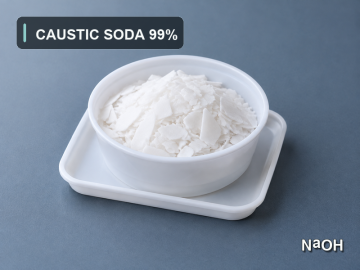
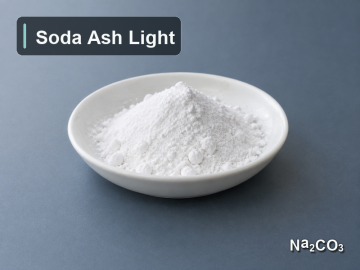
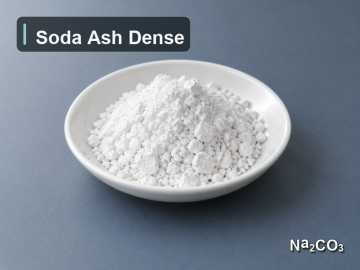
Leave Your Message
Industrial sodium precursors engineered to reduce furnace melting thresholds, minimize silica seed formation, and control batch segregation.
RIVER AND MOUNTAIN GLOBAL LIMITED, also known as RMG, is a global chemical products supplier with more than 20 years of experience in the chemical industry.
We specialize in the export of chemical products used in glassware, printing and dyeing, water treatment, detergents, food and feed additives, fertilizers, desiccants, plastics, minerals, paper-making, and foaming agents.
With deep industry knowledge, reliable supplier resources, and a strong understanding of international markets, RMG helps global buyers solve key sourcing challenges: stable quality, competitive pricing, reliable supply, and efficient service.
Our products are sourced from national-level enterprises and trusted manufacturers, ensuring consistent product quality and long-term supply stability for customers worldwide.
Exploring the chemical synergy of Sodium Hydroxide (Caustic Soda), Sodium Bicarbonate (Baking Soda), and Sodium Carbonate (Soda Ash) across thermal, ecological, and structural glassmaking matrices.
In standard soda-lime-silica (SLS) systems, silicon dioxide (SiO₂) exhibits a crystallization melting temperature upwards of 1710°C. Modern float-glass and container furnaces operate economically at 1500°C–1580°C. Achieving this massive energy decrement depends strictly on sodium fluxing reagents.
By delivering high-affinity Na⁺ network modifiers, baking soda, caustic lye, and synthetic soda ash interrupt bridging oxygen bonds within silica tetrahedra. The introduction of non-bridging oxygens significantly decreases glass melt viscosity, enabling rapid degassing, minimizing micro-bubble seeds, and enhancing throughput rates in furnace melting tanks.
One of the persistent bottlenecks in automated batch houses is batch carryover—fine particulate silica and salt cake swept into the regenerator checkers by aerodynamic furnace combustion velocity. Incorporating concentrated liquid caustic soda (50% NaOH) as a hydration and agglomeration agent stabilizes fine silica and baking soda particles into uniform aggregates.
Environmental governance demands drastic abatements of SO₂, HF, and HCl in glass furnace exhaust plumes. Baking soda (sodium bicarbonate, NaHCO₃) injected as dry sorbent at 140°C–260°C under atmospheric conditions calcines instantly into high-porosity "nascent" soda ash.
This thermal flash creates an ultra-high specific surface area with microporous channels, instantly trapping volatile acid condensates without producing secondary wastewater lagoons. Compared to traditional limestone or hydrated lime slaking, sodium-based dry injection produces low-volume neutral sodium sulfates and chlorides, meeting stringent Tier 4 industrial emissions standards.
As circular sustainability accelerates, industrial glass plants target post-consumer cullet rates exceeding 70% to 85%. Recycled glass streams present heavy contamination: organic glues, oil films, and micro-label residues. Caustic soda lye functions as the ultimate saponification bath, dissolving sticky adhesives and hydrolyzing organic matrices while caustic mold swabbing cleans delicate iron forming dies without micro-abrasive erosion.
Demands total iron (Fe₂O₃) concentrations under 80-100 ppm to guarantee superior solar transmittancy. RMG’s refined caustic and soda precursors undergo rigorous magnetic filtration and crystallization purity screening to eradicate transition metal trace contaminants.
Filament spinning spinnerets operate under hyper-strict rheological limits. Sodium fluxes homogenize the eutectic zone, eliminating unmolten silica cords and ensuring constant surface tension vital for ultra-thin micron glass fibers.
Requires chemically durable inner walls resistant to hydrolytic leaching. Controlled addition of baking soda caustic solutions facilitates precisely governed surface dealkalization and flame polishing chemistry.
At RMG, we focus on what matters most to chemical product buyers:
Competitive PriceWe help customers control purchasing costs through strong sourcing capability and long-term supplier cooperation.
Reliable Product SourceOur supply network is built on qualified manufacturers with stable production capacity and quality assurance.
Stable QualityWe select products from reputable enterprises to reduce quality risk and support repeat purchasing.
Professional ServiceFrom inquiry to shipment, our team responds quickly and supports customers with practical export experience.
Global Market ExperienceWith business covering 50+ countries and regions, we understand the needs of buyers across Asia-Pacific, Europe, North America, Latin America, the Middle East, Africa, and Oceania.
Building resilient, green, and dependable raw material supply channels across the international chemical and glass manufacturing landscape.
Our vision is to become a trusted long-term chemical supply partner for global buyers.
We believe that chemical trade is not only about price, but also about stability, responsibility, and trust. RMG is committed to building sustainable partnerships with customers who value consistent quality, reliable supply, and professional cooperation.
We aim to support customers in reducing sourcing risks, improving procurement efficiency, and gaining stronger competitiveness in their local markets.
Quantifiable excellence in international trade, material quality assurance, and multimodal chemical logistics.
Experience in the chemical industry
Global business coverage
Serving industries including water treatment, detergents, fertilizers, food and feed additives, paper-making, plastics, and more
Products sourced from national-level enterprises and reliable manufacturers
RMG was founded with a clear purpose: to make chemical product sourcing more reliable, more efficient, and more valuable for international buyers.
Over the past 20 years, we have witnessed the changing demands of the global chemical market. Buyers need more than a product list; they need a partner who understands market fluctuations, supply risks, documentation requirements, and long-term cooperation.
That is why RMG continues to focus on three core values: competitive pricing, dependable supply, and customer satisfaction. These values guide every quotation, every shipment, and every partnership we build.
Today, RMG continues to grow with customers around the world, providing chemical products and sourcing support across multiple industries and markets.
Navigating decarbonization mandates, energy conservation, and shifting regional supply dynamics across international borders.
With global climate mandates pushing glass producers toward net-zero targets, hybrid electric furnaces and pure oxy-fuel firing systems are taking precedence over legacy regenerative air-fuel furnaces. Oxy-fuel alters the furnace atmosphere by elevating partial water vapor and CO₂ pressure. This shift alters the decomposition kinetics of dense soda ash and baking soda precursors.
RMG aligns its supply chain with high-bulk-density soda variants that display micro-crystallized structures, reducing early calcination dusting while maximizing early liquid-phase generation to conserve multi-megawatt electric boost power.
The global alkaline market fluctuates based on natural trona mineral availability in North America and Turkey versus synthetic Solvay/Hou process production in Asia. RMG leverages deep strategic linkages with national-level manufacturing facilities across both processes.
This diversified upstream position protects international glass manufacturers against ocean freight container shortages, port congestions, and energy-curtailment supply disruptions, ensuring a non-stop raw material feed for 24/7/365 glass melting furnaces that cannot afford an unscheduled cold freeze.
Delivering dependable alkaline products to glass melting facilities, fiber plants, and processing complexes across every major industrial trade lane.
RMG serves customers in more than 50 countries and regions, with business coverage across:
Our wide market coverage allows us to respond to different purchasing needs, regional standards, and application requirements with greater flexibility.
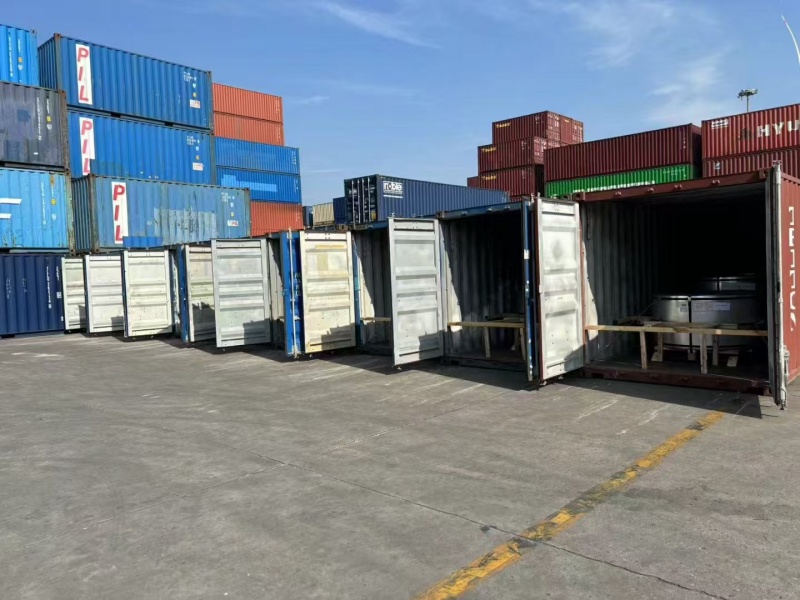
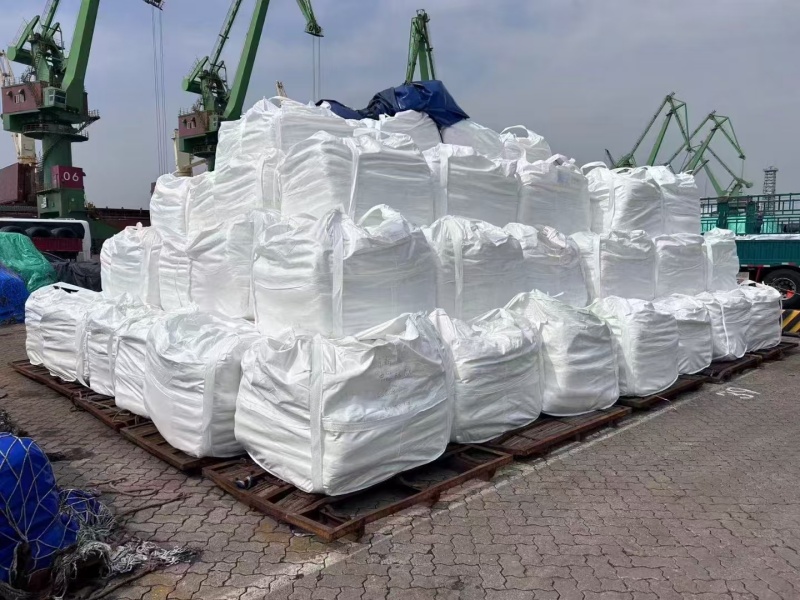
Whether handling break-bulk vessel shipments, 20ft dry containers equipped with anti-humidity liners, or certified ISO tank deliveries, our logistics team executes strict quality control protocols from factory loading to final port discharge.
RMG works closely with reliable chemical manufacturers and national-level enterprises to ensure product stability and supply continuity.
For global buyers, this means more than finding a supplier. It means working with a sourcing partner who can provide quality consistency, supply reliability, and long-term cooperation value.
Verified industrial chemicals certified for float glass, fiberglass, container glass, and industrial scrubbing applications.