Application Matched Polyacrylamide for Solid Liquid Separation
Product Attributes
| Attribute | Selection Reference |
| Product | Polyacrylamide |
| Grade coverage | Industry grade; anionic, cationic, or nonionic selection |
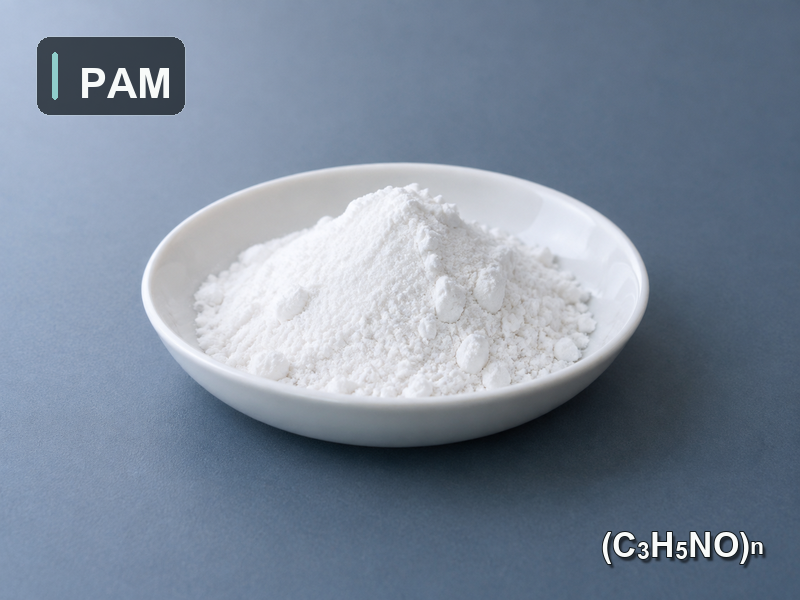
| Chemical identity | (C3H5NO)n; ionic functional groups vary |
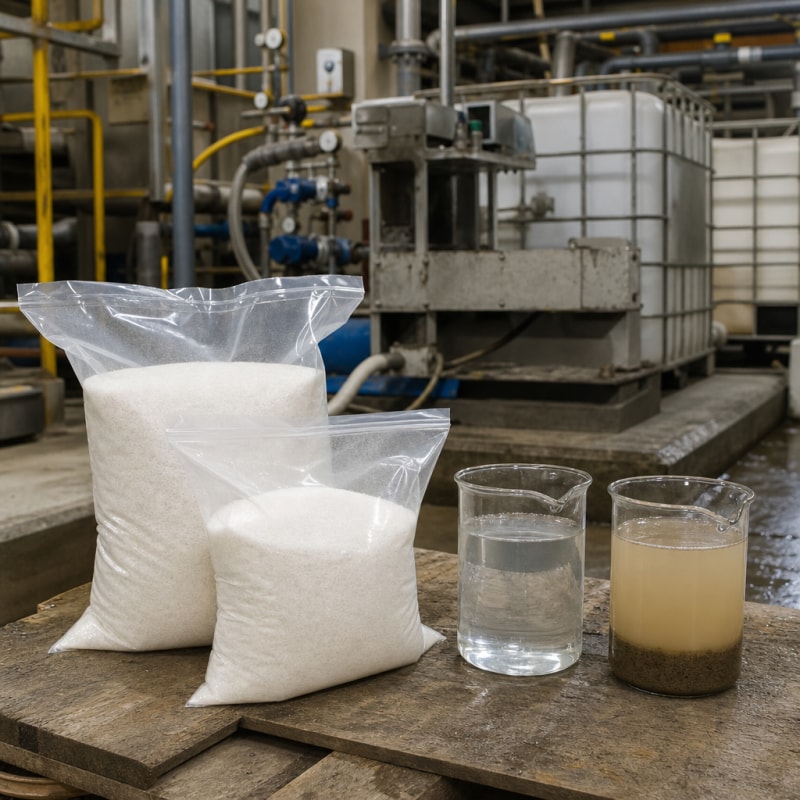
| Typical appearance | white granule, powder, or emulsion |
| Main specification points | Ionic type; charge density; molecular weight range; moisture; dissolution time; residual monomer |
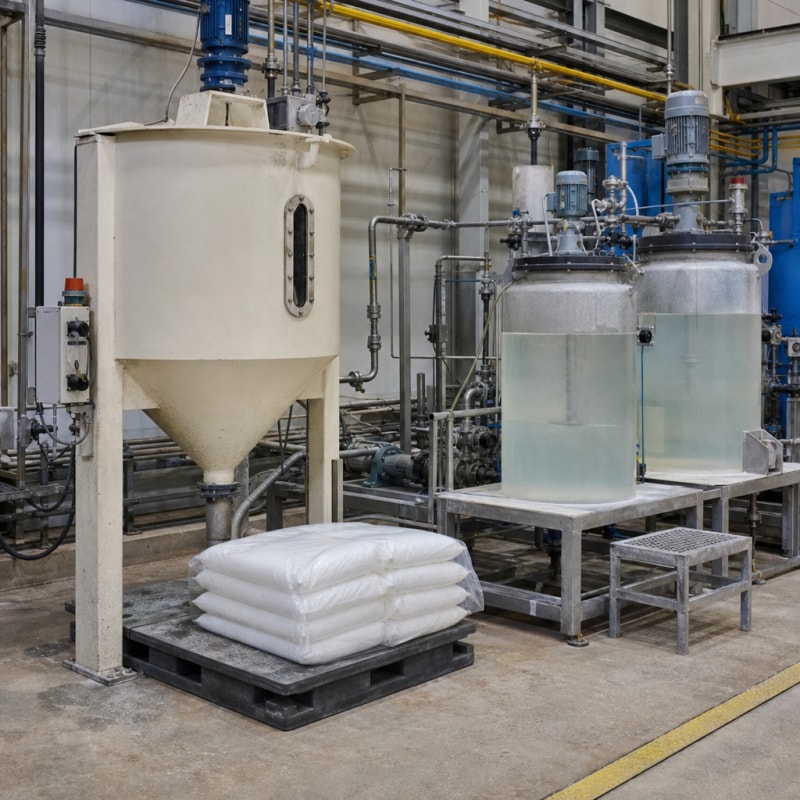
| Packing options | 25 kg moisture-barrier bags, 750 kg bulk bags, drums, or IBCs for liquid grades |
Specification note: Commercial grades can differ by producer and market. Only the mutually approved limits form part of the sale.
Product Description
Customers evaluating Polyacrylamide can source Industry grade; anionic, cationic, or nonionic selection material described as white granule, powder, or emulsion. The offer is configured around the performance required at the user’s site and the controls needed for transport and receipt. Technical dialogue before quotation helps identify whether chemistry, particle behavior, concentration, color, documentation, or another attribute will decide acceptance.
Material Profile and Production
Production involves controlled polymerization and post-treatment are followed by drying, granulation, screening, and lot homogenization for dry grades. Raw-material status, key process observations, and final inspection are captured in the batch history. Particular attention is paid to preventing foreign matter and mix-ups during the packing changeover. This history complements laboratory results when customers complete supplier or product qualification.
Key Applications and Process Value
Potential process routes include municipal and industrial water treatment, sludge dewatering, mineral processing, paper manufacture, oilfield operations, and process-liquid clarification. The commercial choice should be driven by a stated technical objective and its measurement method. Begin with a representative sample, document the operating conditions, and retain the comparison result so purchasing and production can use the same evidence when the material moves to routine supply.
Where multiple grades appear suitable, side-by-side testing under identical conditions gives the clearest comparison. Keep a sealed reference portion and note its lot number, since it can help distinguish raw-material effects from changes elsewhere in the production line.
Quality Assurance and Buyer Qualification
Routine approval focuses on polymer identity, ionic character, apparent molecular weight, moisture, dissolution behavior, screen profile, residual monomer, and application jar testing. The release decision also verifies package identity and condition. A sample COA can be used to align parameter names and units, but it does not replace the signed specification governing the actual order.
Safe Handling and Storage
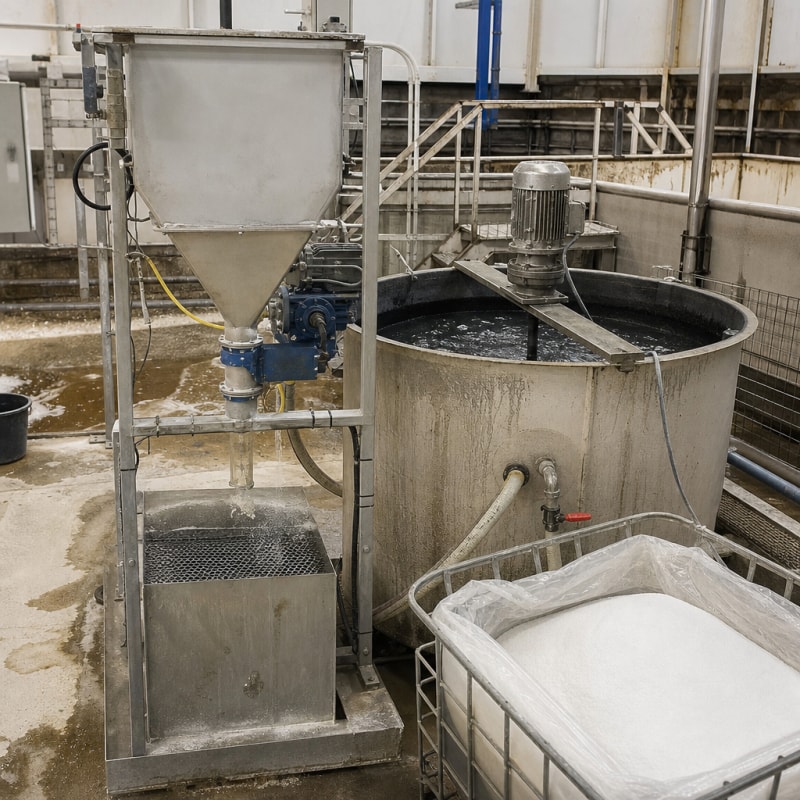
Slowly disperse powder into well-agitated water and allow full maturation; adding too quickly can form fisheyes. Spilled polymer becomes extremely slippery. Avoid dust and use grade-specific SDS guidance. Keep the product in its designated storage zone and protect it from incompatible conditions. Personnel should know the location of washing facilities, spill equipment, and emergency contacts. Refer to the SDS for precise toxicological, firefighting, and transport information.
Packaging, Shipping, and Service
For export delivery, the usual choice is 25 kg moisture-barrier bags, 750 kg bulk bags, drums, or IBCs for liquid grades. Each unit is checked for identification and closure before loading. Destination port, annual volume, unloading equipment, and preferred trade term help determine the offer. Special regulatory statements are issued only after the supporting evidence and intended wording have been accepted.
Product data can support screening and sample selection, while the receiving organization controls formulation, operating limits, and market authorization.