Leave Your Message
A comprehensive examination of thermodynamic solvation, surface electrochemistry, and process scale-up across modern hydrometallurgical operations.
In hydrometallurgy, beneficiation, and extractive metallurgy, caustic soda (sodium hydroxide, NaOH) is recognized as one of the most critical chemical levers for precise pH conditioning, metal recovery, and gangue depression. Adding caustic soda to water is not merely an act of dilution; it is an intensely exothermic thermodynamic reaction governed by negative dissolution enthalpy (ΔH° ≈ −44.51 kJ/mol at 25°C). In industrial mineral refineries handling throughputs exceeding thousands of cubic meters per hour, uncontrolled dissolution creates boiling surges, localized thermal shock, pipe fouling, and significant safety hazards.
Conversely, precisely engineered caustic solvation circuits ensure instantaneous stoichiometric availability of hydroxyl ions (OH⁻). These ions manipulate the electrical double layer (EDL) of sulfide and oxide mineral particulates, control surface zeta potential, drive selective precipitation of heavy metals, and optimize the hydrolysis rates of flotation collectors. Modern green processing facilities are increasingly moving toward closed-loop automated inline dissolution skids that integrate continuous refractometry, mass flow meters, and AI-enabled feedforward pH trim loops to counteract fluctuating ore mineralogy.
By dissolving caustic soda into flotation feed water, operators selectively regulate the surface charge of target minerals such as chalcopyrite, sphalerite, and galena. Hydroxyl adsorption shifts surface charges below their point of zero charge (PZC), preventing slime coatings and facilitating collector selectivity.
Advanced plants utilize dual-stage quenching tanks equipped with heat exchangers. Dissipating the substantial heat of solution safeguards secondary polymer dosers, prevents premature reagent degradation, and protects downstream cross-linked piping systems.
Acid Mine Drainage (AMD) treatment circuits rely on controlled NaOH water mixtures to achieve selective tiered precipitation of trivalent iron (Fe³⁺ at pH 3.5–4.0), copper (Cu²⁺ at pH 6.0–6.5), and zinc/nickel complexes at pH 8.5–9.5, yielding high-density sludge.
Evaluating chemical behavior and processing benchmarks across diverse hydrometallurgical extraction workflows.
In complex polymetallic sulfide beneficiation, the differential separation of copper, lead, zinc, and iron sulfides hinges upon fine pulp alkalinity regulation. Unlike lime (CaO/Ca(OH)₂), which introduces divalent calcium cations that cause unintentional mineral activation or gangue clumping, sodium hydroxide provides a monovalent sodium cation that leaves mineral surfaces clean.
Elevating pulp pH above 10.5 through direct metering of dissolved caustic soda generates iron oxyhydroxide passivating films across pyrite (FeS₂) crystal faces. This selectively inhibits xanthate collector adsorption without inadvertently depressing valuable gold-bearing or copper-bearing phases.
Alkaline leaching processes, notably the Bayer process for bauxite and tungsten digestion schemes, rely fundamentally on high-molarity sodium hydroxide solutions. When adding caustic soda to process streams, precise molar ratios must be sustained to convert aluminum and tungsten minerals into soluble aluminate and tungstate ionic species.
In rare earth element (REE) cracking routes, caustic crack procedures convert monazite or bastnäsite concentrates into rare-earth hydroxides at elevated temperatures, decomposing insoluble phosphate matrices while immobilizing troublesome thorium and uranium gangue phases.
Modern zero-liquid discharge (ZLD) plants must recirculate high percentages of tailings supernatant. Water treated with hydrated lime invariably introduces high sulfate and calcium concentrations, leading to severe gypsum (CaSO₄·2H₂O) and calcite scaling in pipelines, filter cloths, and grinding mill screens. By transitioning to sodium hydroxide for pH control and partnering it with carbonate donors such as soda ash, mines eliminate calcium scaling pathways, slash plant downtime, and elevate pump lifespans significantly.
How automation, supply security, and sustainability commitments are reshaping reagent procurement and dosing strategies.
AI-driven predictive control models match real-time X-ray fluorescence (XRF) slurry assay data directly to caustic dosing pumps. This eliminates pulp over-alkalization, suppresses reagent wastage by up to 22%, and secures ultra-stable flotation kinetics.
As Scope 3 emissions come under direct mining audits, mining majors demand chlor-alkali products produced using membrane cell technology powered by renewable energy. This shift favors suppliers with clean energy footprints and robust quality documentation.
Given the location of major tier-1 deposits in remote regions across Latin America, Central Africa, and Western Australia, logistics resilience—such as high-grade solid caustic flakes shipped in anti-humidity packaging—has become a top procurement priority.
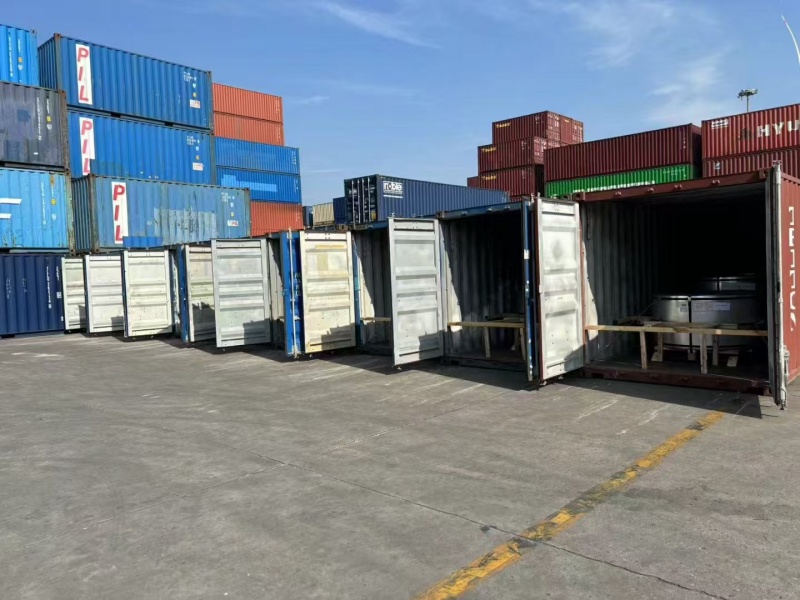
RIVER AND MOUNTAIN GLOBAL LIMITED, also known as RMG, is a global chemical products supplier with more than 20 years of experience in the chemical industry.
We specialize in the export of chemical products used in glassware, printing and dyeing, water treatment, detergents, food and feed additives, fertilizers, desiccants, plastics, minerals, paper-making, and foaming agents.
With deep industry knowledge, reliable supplier resources, and a strong understanding of international markets, RMG helps global buyers solve key sourcing challenges: stable quality, competitive pricing, reliable supply, and efficient service.
Our products are sourced from national-level enterprises and trusted manufacturers, ensuring consistent product quality and long-term supply stability for customers worldwide.
At RMG, we focus on what matters most to chemical product buyers:
Competitive Price
We help customers control purchasing costs through strong sourcing capability and long-term supplier cooperation.
Reliable Product Source
Our supply network is built on qualified manufacturers with stable production capacity and quality assurance.
Stable Quality
We select products from reputable enterprises to reduce quality risk and support repeat purchasing.
Professional Service
From inquiry to shipment, our team responds quickly and supports customers with practical export experience.
Global Market Experience
With business covering 50+ countries and regions, we understand the needs of buyers across Asia-Pacific, Europe, North America, Latin America, the Middle East, Africa, and Oceania.
Our vision is to become a trusted long-term chemical supply partner for global buyers.
We believe that chemical trade is not only about price, but also about stability, responsibility, and trust. RMG is committed to building sustainable partnerships with customers who value consistent quality, reliable supply, and professional cooperation.
We aim to support customers in reducing sourcing risks, improving procurement efficiency, and gaining stronger competitiveness in their local markets.
Experience in the chemical industry
Global business coverage
Serving industries including water treatment, detergents, fertilizers, food and feed additives, paper-making, plastics, and more
Products sourced from national-level enterprises and reliable manufacturers
RMG was founded with a clear purpose: to make chemical product sourcing more reliable, more efficient, and more valuable for international buyers.
Over the past 20 years, we have witnessed the changing demands of the global chemical market. Buyers need more than a product list; they need a partner who understands market fluctuations, supply risks, documentation requirements, and long-term cooperation.
That is why RMG continues to focus on three core values: competitive pricing, dependable supply, and customer satisfaction. These values guide every quotation, every shipment, and every partnership we build.
Today, RMG continues to grow with customers around the world, providing chemical products and sourcing support across multiple industries and markets.
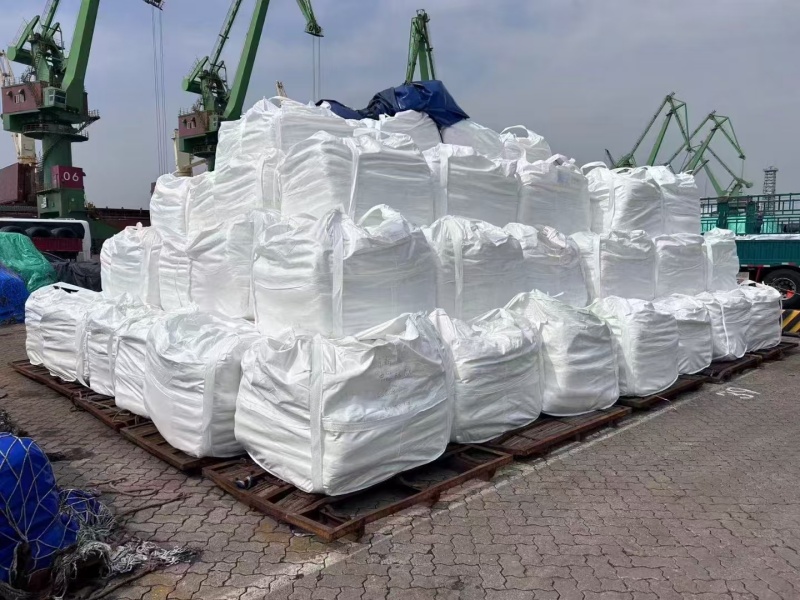
RMG serves customers in more than 50 countries and regions, with business coverage across major mining, water processing, and industrial manufacturing territories.
Our wide market coverage allows us to respond to different purchasing needs, regional standards, and application requirements with greater flexibility.
RMG works closely with reliable chemical manufacturers and national-level enterprises to ensure product stability and supply continuity.
For global buyers, this means more than finding a supplier. It means working with a sourcing partner who can provide quality consistency, supply reliability, and long-term cooperation value.
Reliable supply solutions engineered for flotation, leaching, clarification, and water management operations.
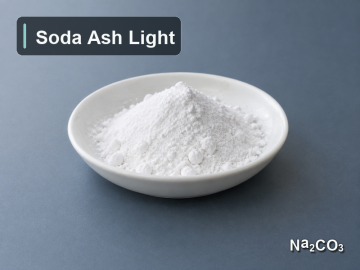 Soda Ash Light Alkalinity Builder for Mineral Water Conditioning
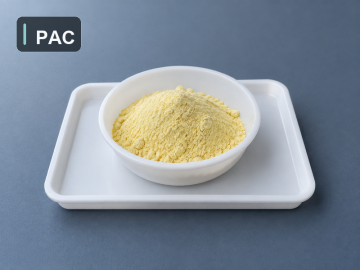 High Efficiency Polyaluminium Chloride for Slurry Settling
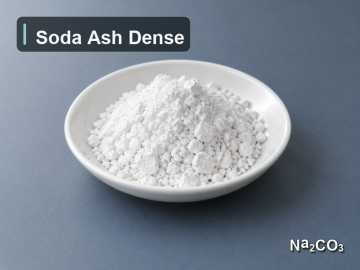 Dense Soda Ash for Mineral Slurry Desulfurization
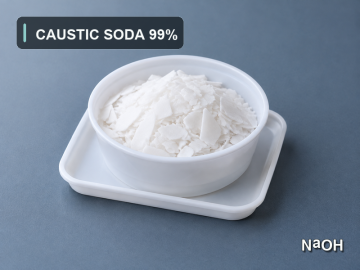 Caustic Soda 99% Alkalinity Agent for Mineral Circuits
Soda Ash Light for Flotation Circuit Softening
High Efficiency PAC for Mine Effluent Recycling
Dense Soda Ash for Hydrometallurgical Extraction
Caustic Soda 99% for Tailings Neutralization & AMD