
Leave Your Message
Industrial acidifiers, carriers, and auxiliary chemical solutions engineered for maximum bath exhaustion, color fastness, and processing stability.
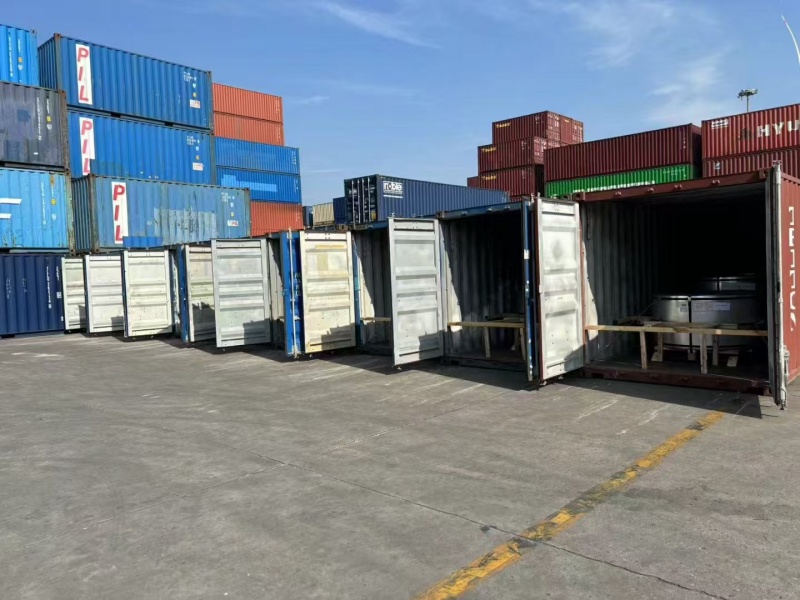
RIVER AND MOUNTAIN GLOBAL LIMITED, also known as RMG, is a global chemical products supplier with more than 20 years of experience in the chemical industry.
We specialize in the export of chemical products used in glassware, printing and dyeing, water treatment, detergents, food and feed additives, fertilizers, desiccants, plastics, minerals, paper-making, and foaming agents.
With deep industry knowledge, reliable supplier resources, and a strong understanding of international markets, RMG helps global buyers solve key sourcing challenges: stable quality, competitive pricing, reliable supply, and efficient service.
Our products are sourced from national-level enterprises and trusted manufacturers, ensuring consistent product quality and long-term supply stability for customers worldwide.
Decoding the synergistic interaction of organic volatile acids and low-molecular solvents in continuous wet processing lines.
Modern textile finishing facilities face relentless demands to balance rapid turnaround times, hyper-accurate shade consistency, and stringent green processing directives. Within continuous padding mangles, high-temperature high-pressure (HTHP) jet dyeing vessels, and dynamic rotary screen print washers, acetic acid methanol combinations function as cornerstone operational auxiliaries. Glacial acetic acid provides unexcelled linear pH buffering capacity between 4.0 and 5.5, the exact thermodynamic envelope necessary for exhaustion of disperse, acid, and cationic dyestuffs on synthetic and blended substrates.
Simultaneously, industrial-grade methanol performs critical functions as a polar organic co-solvent, dye solubilizer, and surface tension depressant. By lowering the viscosity of aqueous printing pastes and penetrating hydrophobic filament matrices (such as polyester, nylon-6,6, and acrylics), methanol enhances the diffusion coefficient of bulk dye agglomerates. When formulated alongside acetic acid, the resulting dual-phase medium suppresses premature chromophore hydrolysis, eliminates fiber core ring dyeing, and maximizes molecular fixation onto cellulose-synthetic core-spun yarns.
| Operational Stage | Chemical Mechanism | Primary Fiber Applicability | Key Performance Indicator |
|---|---|---|---|
| Disperse Dye Exhaustion | Acetic acid stabilizes pH at 4.5–5.0; prevents reduction of azo bonds at 130°C. | 100% PES, Recycled PET, PET/Spandex | Complete bath exhaustion, Delta E < 0.3 |
| Digital Inkjet & Rotary Printing | Methanol minimizes printing paste micro-foaming, accelerating capillary penetration. | Polyester Georgette, Polyamide Voile | Ultra-crisp outline definition, zero bleed |
| Acid Dye Levelling | Controlled dissociation of acetic ion regulates amine-dye ionic crosslinking. | Wool, Pure Silk, Nylon Microfiber | Absence of unlevelness, strip-free shades |
| Post-Dyeing Reduction Wash | Volatile acid neutralization neutralizes lingering alkali without mineral scale. | Cellulosic/PES Blends, T/C Blends | High wash/rub fastness (Grade 4-5) |
At RMG, we focus on what matters most to chemical product buyers:
Competitive PriceWe help customers control purchasing costs through strong sourcing capability and long-term supplier cooperation.
Reliable Product SourceOur supply network is built on qualified manufacturers with stable production capacity and quality assurance.
Stable QualityWe select products from reputable enterprises to reduce quality risk and support repeat purchasing.
Professional ServiceFrom inquiry to shipment, our team responds quickly and supports customers with practical export experience.
Global Market ExperienceWith business covering 50+ countries and regions, we understand the needs of buyers across Asia-Pacific, Europe, North America, Latin America, the Middle East, Africa, and Oceania.
Overcoming fiber crystallinity barriers and maintaining stringent washfastness through controlled solvent kinetics.
Polyester yarn formulations containing elastane fibers require lower thermal stress during processing to protect elastic memory. When introducing disperse dyes to dense, low-denier microfibers, acetic acid functions as a delicate buffer that guards the azo-linkages against reductive cleavage at dynamic liquor temperatures. Concurrently, carefully dosed methanol serves as a fiber-swelling promoter. By transiently expanding the sub-microscopic amorphous regions of polyester polymer chains, methanol facilitates rapid, uniform dye migration across inner fiber cores at lower activation energies. This reduces overall jet run durations by up to 18%, visibly mitigating thermal degradation and elastane embrittlement.
In high-speed roll-to-roll screen and digital reactive or disperse ink printing, print paste rheology dictates edge definition. The introduction of methanol as a co-solvent regulates evaporation profiles across heated drying tunnels, preventing early skin-formation on screens and crusting in digital print heads. Acetic acid is incorporated downstream during fixation steaming or print acid-curing cycles to drive acid-catalyzed crosslinking without mineral salts deposits. Unlike inorganic mineral acids that degrade cellulosic fibers, volatile acetic acid evaporates cleanly during stenter processing, leaving no acidic residues that tenderize delicate silks, rayons, or woven viscose backings.
As the international textile sector adheres to tightening ZDHC (Zero Discharge of Hazardous Chemicals) and OEKO-TEX standard parameters, chemical suppliers must provide transparent life-cycle performance. Traditional non-volatile inorganic buffering salts (such as ammonium sulphate or phosphoric derivations) significantly increase chemical oxygen demand (COD) or drive severe phosphorus contamination in mill effluent. Acetic acid offers comprehensive natural biodegradability in standard wastewater treatment lagoons. Concurrently, cutting-edge methanol-recovery condensation loops implemented inside closed dry-cure stenter frames enable closed-loop vapor recapture, demonstrating RMG's compliance with modern clean-technology industrial expectations.
Our vision is to become a trusted long-term chemical supply partner for global buyers.
We believe that chemical trade is not only about price, but also about stability, responsibility, and trust. RMG is committed to building sustainable partnerships with customers who value consistent quality, reliable supply, and professional cooperation.
We aim to support customers in reducing sourcing risks, improving procurement efficiency, and gaining stronger competitiveness in their local markets.
Experience in the chemical industry
Global business coverage
Serving industries including water treatment, detergents, fertilizers, food and feed additives, paper-making, plastics, and more
Products sourced from national-level enterprises and reliable manufacturers
RMG was founded with a clear purpose: to make chemical product sourcing more reliable, more efficient, and more valuable for international buyers.
Over the past 20 years, we have witnessed the changing demands of the global chemical market. Buyers need more than a product list; they need a partner who understands market fluctuations, supply risks, documentation requirements, and long-term cooperation.
That is why RMG continues to focus on three core values: competitive pricing, dependable supply, and customer satisfaction. These values guide every quotation, every shipment, and every partnership we build.
Today, RMG continues to grow with customers around the world, providing chemical products and sourcing support across multiple industries and markets.
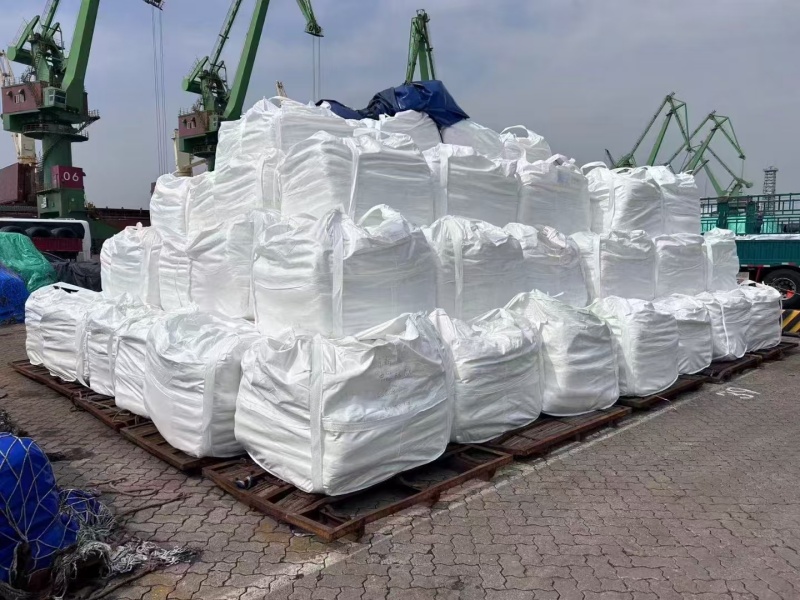
Navigating volatile bulk solvent markets through strategic container logistics and chemical precision sourcing.
The global market for textile chemicals is anticipated to expand beyond USD 32 billion by 2030, driven by soaring consumer demand for functional athleisure, high-visibility technical outerwear, and home furnishings. Crucial to this surge is the steady, cost-effective availability of core organic precursors: methanol (synthesized via optimized syngas infrastructure or emerging green e-methanol facilities) and glacial acetic acid (derived from high-efficiency carbonylation of methanol). As emerging mega-textile hubs across Southeast Asia, the Indian subcontinent, and the Americas expand processing capacities, volatile freight indices and erratic regional bulk spot prices represent clear operating risks for overseas processing mills.
RMG bridges this logistical divide. Backed by partnerships with national-level manufacturing titans, RMG operates an uninterrupted supply corridor offering variable ISO tank bulk deliveries, IBC tote options, and specialized sea-freight drum packaging. Our technical specialists maintain complete oversight on impurity assays—such as non-volatile matter, chloride impurities, and iron content—ensuring that textile print runs remain shielded from batch-to-batch color drift, machine nozzle blockage, or catastrophic premature fiber degradation.
RMG serves customers in more than 50 countries and regions, with comprehensive supply presence spanning key textile hubs and manufacturing markets worldwide.
Our wide market coverage allows us to respond to different purchasing needs, regional standards, and application requirements with greater flexibility and dependable supply pipelines.
RMG works closely with reliable chemical manufacturers and national-level enterprises to ensure product stability and supply continuity.
For global buyers, this means more than finding a supplier. It means working with a sourcing partner who can provide quality consistency, supply reliability, and long-term cooperation value.
Discover our complete portfolio of high-purity acids, specialized regulators, and chemical raw materials for global processing industries.
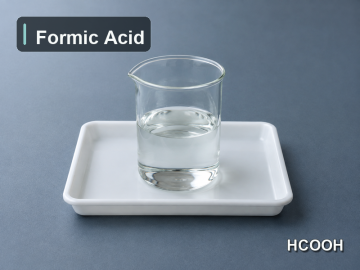 Concentrated Industrial Formic Acid for Process Control
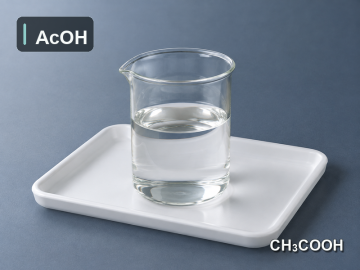 Acetic Acid Acidity Regulator for Food Additive Applications
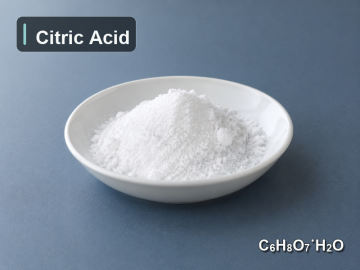 CITRIC ACID MONOHYDRATE - Food Additives
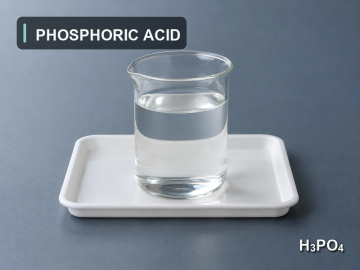 Purified Phosphoric Acid for Food and Industry
 Sebacic Acid Raw Material for Antifreeze and Coolant Formulations
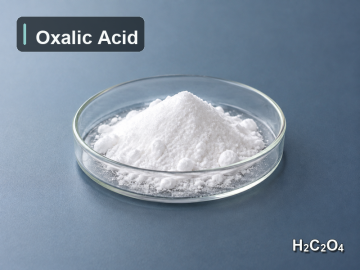 High Purity Oxalic Acid for Precision Cleaning
Industrial Grade Formic Acid for Textile pH Neutralization
High-Grade Acetic Acid for Printing and Dyeing Systems