Leave Your Message
High-purity industrial compounds engineered for cutting-edge agricultural formulation, soil conditioning, and plant nutrition synthesis.
Strategic chemical precursors driving efficiency, yield optimization, and biostimulant evolution across modern agribusiness.
The global agrochemical manufacturing landscape is undergoing a systemic transition toward resource conservation, carbon efficiency, and targeted delivery formulations. At the heart of this evolutionary paradigm lies the strategic integration of acetic acid (CH₃COOH) and methanol (CH₃OH). While historically recognized as commoditized solvent systems or intermediate reagents in petrochemical loops, their critical status in agricultural nutrient enhancement and controlled-release fertilizers has escalated dramatically.
Methanol serves as a foundational C1 feed building block, serving both as an indispensable methylating agent in agrochemical synthesis and as a direct physiological photorespiration regulator. Simultaneously, acetic acid operates as a premier carboxylic platform, furnishing essential acetate ions for botanical metabolic cycles, chelating insoluble trace minerals, and serving as a substrate for custom polymer coatings on slow-release granular substrates. In commercial fertilizer manufacturing, the synergy between methanol and acetic acid enables high-yield synthesis of methyl acetate, controlled-release nitrogen matrix resins, organo-mineral foliar supplements, and biostimulant adjuvants that dramatically enhance nutrient uptake efficiencies (NUE).
Understanding the mechanistic interplay of acetic acid and methanol within the soil-plant-atmosphere continuum unlocks significant value for agronomists, custom formulators, and bulk blenders:
A. Methanol-Mediated Suppression of Photorespiration: Under intensive sunlight and drought stress conditions, C3 crops (such as wheat, rice, and soybeans) waste up to 25–40% of their photosynthetic energy via photorespiration as RuBisCO binds O₂ instead of CO₂. Low-concentration foliar applications of bio-derived or ultra-pure industrial methanol act as an immediate internal carbon donor. Foliar absorption of methanol results in its oxidation via alcohol oxidase into formaldehyde and subsequently formate, ultimately releasing systemic intracellular carbon dioxide within plant mesophyll cells. This local CO₂ elevation effectively suppresses the oxygenase activity of RuBisCO, driving enhanced net assimilation rates, accelerated biomass accumulation, and decreased transpirational water demand.
B. Acetate-Driven Epigenetic Drought Priming: Recent molecular research reveals that exogenously supplied acetic acid triggers endogenous jasmonate (JA) signaling cascades in vascular root tissue. This biological cue promotes histone acetylation (H4ac), which acts as an epigenetic switch conferring heightened osmotic tolerance against extreme drought and hyper-saline conditions. When coupled with standard water-soluble nitrogen-phosphorus-potassium (NPK) blends, acetic acid derivatives sustain cellular turgor, stabilize chlorophyll membrane integrity, and prevent reactive oxygen species (ROS) accumulation.
C. Organic Acidulation and Rhizosphere Solubilization: Soils exhibiting elevated alkalinity or calcareous horizons permanently lock up critical macro- and micro-elements, notably phosphorus (as tricalcium phosphate) and essential metals such as zinc, iron, and manganese. Controlled infusion of diluted acetic acid systems or methyl acetate-derived hydro-formulations gently acidulates the localized rhizosphere without inflicting long-term soil ecosystem damage. The resulting acetate complexes displace immobilized ortho-phosphates, making biological phosphorus immediately bioavailable for root tip interceptive uptake.
The global synthetic fertilizer intermediate market is heavily propelled by the demand for specialty fluid formulations, precision fertigation programs, and smart nitrogen matrices designed to curb atmospheric volatilization and water leaching. According to international market analytics, the consumption of organic carboxylic acids and C1-C3 alcohols in agrochemical manufacturing is projected to expand at a compound annual growth rate (CAGR) of 6.8% through 2035.
| Commercial Domain | Key Chemical Precursors | Agronomic Objective | Projected 10-Yr Trend |
|---|---|---|---|
| Controlled-Release Urea (CRU) | Methanol & Acetic Acid / Formaldehyde | Polymer encapsulation, nitrification inhibition | Rapid global adoption via environmental mandates |
| Specialty Foliar & Biostimulants | Purified Methanol, Glacial Acetic Acid | Photorespiration mitigation, carbon feeding | High growth in arid & semi-arid farming belts |
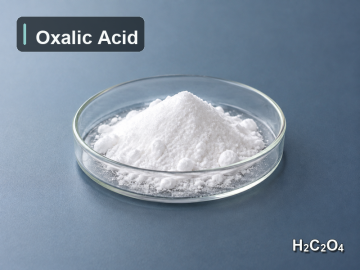
| Micronutrient Chelate Liquids | Acetic Acid, Formic Acid, Oxalic Acid | Zinc, Iron, Manganese bio-complexation | Steady transition away from legacy synthetic EDTA |
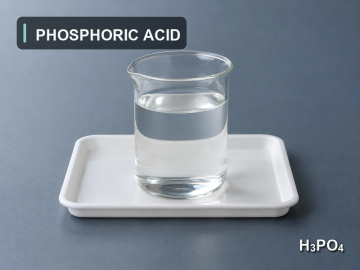
| Drip Fertigation System Cleaners | Organic Acetic Formulations, Phosphoric Acid | Emitter descaling, localized pH balancing | Standardization across smart greenhouse operations |
Use Case 1: Advanced Urea-Triazone & Methylated Nitrogen Formulations
Methanol serves as a foundational reaction vehicle and reagent in the industrial synthesis of liquid triazone and methylene urea compounds. Conventional urea exhibits drastic nitrogen losses via ammonia volatilization (up to 30%) and nitrate leaching into groundwater tables. Methanol-derived resin chemistries condense urea into cyclic and linear oligomers with varying molecular chain lengths. Upon soil injection, micro-organisms progressively break down these carbon-nitrogen bonds over a window of 60 to 120 days, precisely syncing nitrogen liberation with the vegetative uptake peak of high-demand cash crops like corn, cotton, and sugarcane.
Use Case 2: Acetate-Complexed Foliar Micro-Nutrient Fertigation
Supplying essential micronutrients like Zinc (Zn²⁺) and Iron (Fe²⁺) via standard mineral salts often results in precipitation upon exposure to hard farm water containing calcium and magnesium bicarbonates. By employing high-grade acetic acid as a biological complexing ligand, manufacturers produce stable zinc acetate and iron acetate solutions. These low-molecular-weight neutral complexes bypass the negative electrical potential barrier of plant leaf cuticles, providing swift systemic foliar assimilation without phytotoxic leaf scorch.
Use Case 3: Integrated Soil Salinity and Sodium De-adsorption Programs
In intensive irrigation schemes, accumulation of exchangeable sodium ions destroys soil aggregation, causing crusting and root asphyxiation. Acetic acid-augmented drip applications activate natural insoluble calcium carbonate present in the soil strata, converting it into soluble calcium acetate. The newly freed divalent calcium ions (Ca²⁺) systematically displace monovalent sodium ions (Na⁺) from clay micelle surfaces. The displaced sodium is subsequently flushed deep below the active root zone, restoring soil permeability and aeration metrics.
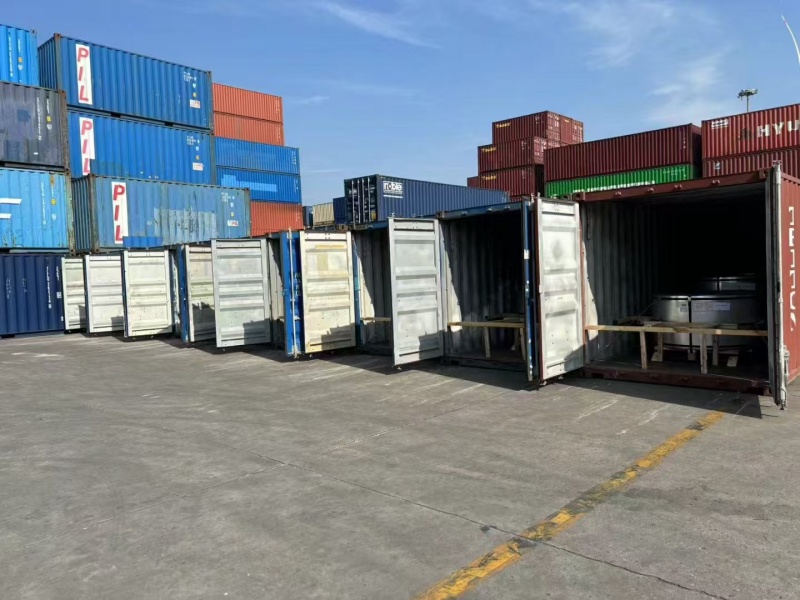
RIVER AND MOUNTAIN GLOBAL LIMITED, also known as RMG, is a global chemical products supplier with more than 20 years of experience in the chemical industry.
We specialize in the export of chemical products used in glassware, printing and dyeing, water treatment, detergents, food and feed additives, fertilizers, desiccants, plastics, minerals, paper-making, and foaming agents.
With deep industry knowledge, reliable supplier resources, and a strong understanding of international markets, RMG helps global buyers solve key sourcing challenges: stable quality, competitive pricing, reliable supply, and efficient service.
Our products are sourced from national-level enterprises and trusted manufacturers, ensuring consistent product quality and long-term supply stability for customers worldwide.
At RMG, we focus on what matters most to chemical product buyers:
Competitive Price
We help customers control purchasing costs through strong sourcing capability and long-term supplier cooperation.
Reliable Product Source
Our supply network is built on qualified manufacturers with stable production capacity and quality assurance.
Stable Quality
We select products from reputable enterprises to reduce quality risk and support repeat purchasing.
Professional Service
From inquiry to shipment, our team responds quickly and supports customers with practical export experience.
Global Market Experience
With business covering 50+ countries and regions, we understand the needs of buyers across Asia-Pacific, Europe, North America, Latin America, the Middle East, Africa, and Oceania.
Our vision is to become a trusted long-term chemical supply partner for global buyers.
We believe that chemical trade is not only about price, but also about stability, responsibility, and trust. RMG is committed to building sustainable partnerships with customers who value consistent quality, reliable supply, and professional cooperation.
We aim to support customers in reducing sourcing risks, improving procurement efficiency, and gaining stronger competitiveness in their local markets.
Experience in the chemical industry
Global business coverage
Serving industries including water treatment, detergents, fertilizers, food and feed additives, paper-making, plastics, and more
Products sourced from national-level enterprises and reliable manufacturers
RMG was founded with a clear purpose: to make chemical product sourcing more reliable, more efficient, and more valuable for international buyers.
Over the past 20 years, we have witnessed the changing demands of the global chemical market. Buyers need more than a product list; they need a partner who understands market fluctuations, supply risks, documentation requirements, and long-term cooperation.
That is why RMG continues to focus on three core values: competitive pricing, dependable supply, and customer satisfaction. These values guide every quotation, every shipment, and every partnership we build.
Today, RMG continues to grow with customers around the world, providing chemical products and sourcing support across multiple industries and markets.
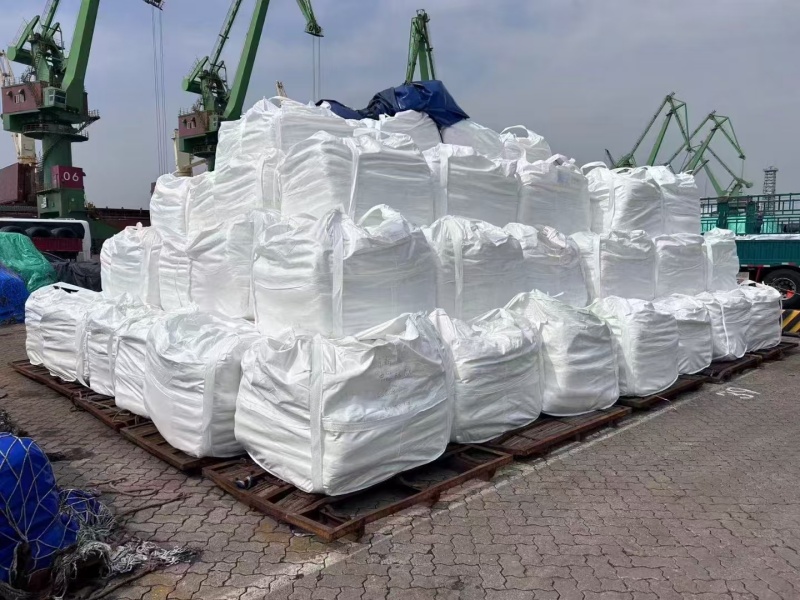
RMG serves customers in more than 50 countries and regions, with business coverage across:
Our wide market coverage allows us to respond to different purchasing needs, regional standards, and application requirements with greater flexibility.
RMG works closely with reliable chemical manufacturers and national-level enterprises to ensure product stability and supply continuity.
For global buyers, this means more than finding a supplier. It means working with a sourcing partner who can provide quality consistency, supply reliability, and long-term cooperation value.
Reliable sourcing of industrial-grade acids and specialized chemical intermediates for global agriculture and precision nutrient formulations.